
11 Ways to Build Self-Care Practices Into Your Daily Life
Let’s be honest—most of us know self-care is important, but actually doing it? That’s another story.
It’s easy to treat it like a luxury, something we’ll get around to when there’s more time (spoiler: there never is). And sometimes, we even feel guilty for taking a moment to ourselves.
But here’s the thing: when we constantly push our needs to the back burner, it starts to show. We get tired, mentally foggy, and even the smallest tasks start to feel like a mountain.
With everything life throws at us—work, family, errands, that never-ending to-do list—it’s no wonder we forget to care for the one person who keeps it all going: us.
In this guide, we’ll explore simple, easy habits you can start right now to feel more balanced, energized, and grounded—without completely overhauling your life.
Let’s begin!
This post contains affiliate links, which means we may earn a commission if you purchase through our links—at no extra cost to you. As an Amazon Associate we earn from qualifying purchases. We only recommend products we use or trust. Learn more about affiliate marketing or read our full disclosure.
Understanding Self-Care
Before we jump into how to build daily self-care habits, let’s take a step back and talk about what self-care really means.
At its core, self-care is anything you do on purpose to support your physical, mental, or emotional well-being.
Found this helpful? Pin it for later so you can come back anytime.
It can be something simple, like getting a good night’s sleep, taking a relaxing bath, or just stepping outside to breathe in some fresh air.
But it’s also about the bigger stuff—like setting boundaries, saying “no” without guilt, or even seeking therapy when you need it.
The truth is, self-care looks different for everyone, and that’s totally okay. There’s no one right way to do it. The key is finding what works for you.
When you make self-care a priority, you’re not just taking care of yourself in the moment—you’re building the strength and clarity to handle life’s challenges with more ease.
So, with that in mind, let’s jump into 11 easy, practical ways to weave self-care into your day:
1. Eat More Nutritious Foods
Taking care of your body starts with what you put into it. What we eat doesn’t just affect how we feel physically—it can have a big impact on our mood, energy, and overall vibe.
When you prioritize nutritious foods, it can help:
- Strengthen your immune system
- Improve digestion
- Maintain a healthy weight and glow
- Boost your energy
Basically, fueling up with the right foods helps you feel and function at your best, both physically and mentally.
Now, I’m not saying you can’t indulge in your favorite treats (because, yes, we all need that chocolate every now and then). But if you focus on making healthier choices most of the time, you’ll start to notice a positive difference.
One easy way to do this?
Cook more meals at home.
When you cook for yourself, you get to choose exactly what’s going into your food, so you know you’re getting all the good stuff—vitamins, minerals, and everything else your body needs.
Plus, cooking your own meals helps you slow down and really connect with what you’re eating, making it a more mindful experience.
2. Engage in Positive Self-Talk
How we talk to ourselves has a huge impact on how we see ourselves—and how we see the world around us. If your inner dialogue is mostly negative, it can drain your confidence, pile on the stress, and even contribute to feelings of anxiety or depression.
But here’s the good news: you have the power to change the story.
Practicing positive self-talk can have a ton of benefits, like:
- Boosting your confidence and optimism
- Helping you handle stress better
- Encouraging you to go after your goals
So, how do you start turning that inner critic into a supportive voice?
Well, when a negative thought pops up, ask yourself:
- Is this thought even true?
- How is it helping me?
- How can I reframe it in a more positive way?
Another great trick is to imagine saying your negative thoughts to a friend. Would you say it the same way?
Probably not, right? So why say it to yourself?
Treat yourself with the same kindness and understanding you’d give someone you care about.
And if you want to take it a step further, try adding some mindful practices like yoga or meditation into your routine. Movement and breathing can help quiet that inner critic, giving you more space for self-compassion and presence.
Love Yourself Daily
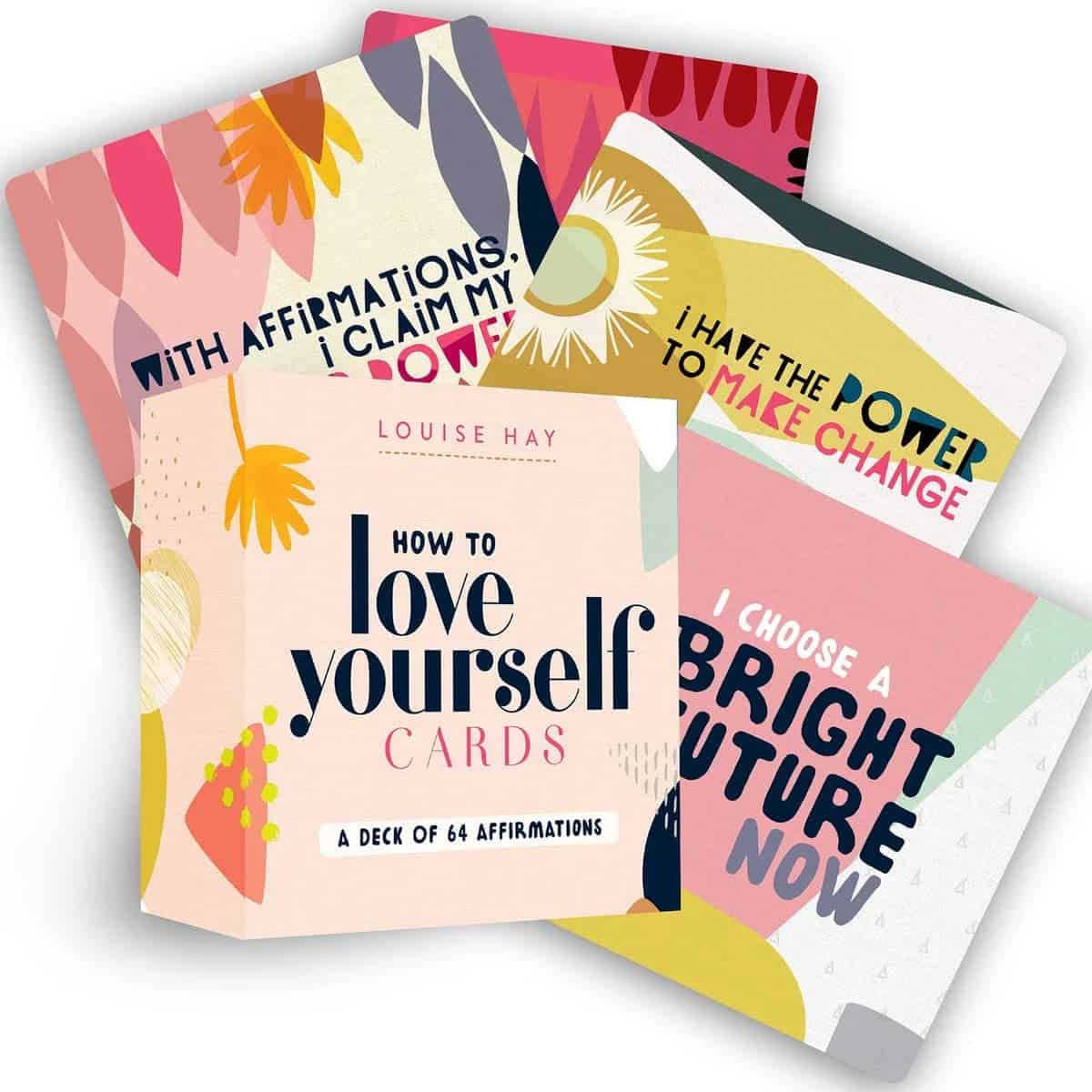
How to Love Yourself Cards by Louise Hay
Build a kinder relationship with yourself through daily affirmations.
Did you know? By buying from Bookshop.org, you help support independent bookstores.
3. Reduce Your Social Media Screen Time
Let’s be real: most of us spend way too much time on social media. And while it can be fun and a way to stay connected, it comes with a hidden cost—it can seriously affect our mental well-being.
Studies have shown that too much screen time can lead to:
- Increased anxiety
- Depression
- A constant need for external validation (like likes, comments, and shares)
A big reason we keep scrolling is FOMO (fear of missing out). We don’t want to miss a trending moment, a funny meme, or the latest event. So, we keep going.
But here’s the catch: the more time we spend online, the less we’re really present in our own lives. Over time, this can lead to feelings of isolation and disconnection.
The truth is, real-life connections matter so much more than virtual ones. Research shows that people with strong, in-person relationships are happier, more empathetic, and feel more self-assured.
So, focusing on face-to-face time can really boost your mood and overall well-being.
If you’re looking for a simple way to bring more self-care into your day, start by setting small boundaries with social media.
Try things like:
- Keeping your phone on silent during meals
- Limiting scrolling right before bed
- Scheduling tech-free time when you’re hanging out with friends or family
Staying connected is great, but finding balance?
That’s where the magic happens.
4. Embrace Outdoor Activities
Spending time outdoors has a huge positive impact on our well-being. It doesn’t have to be anything big—just a quick walk in the park or stepping outside for some fresh air can work wonders for both your mind and body.
The benefits are almost instant, and they stick around, too. From boosting your mood to helping you sleep better, being outdoors promotes your overall health in so many ways.
Being outside can help you feel:
- More motivated
- More relaxed
- More focused
If you have a desk job or tend to stay indoors a lot, getting outside becomes even more important. Fresh air and movement are key to staying healthy.
In fact, research has shown that during the pandemic, people who visited public green spaces reported feeling better overall. So, why not make it a regular habit?
Aim for at least 30 minutes outdoors each day. It’s a simple, powerful self-care practice that can make a big difference in your day-to-day life.
5. Make Sure to Get a Good Night’s Sleep
Did you know that over a quarter of the world’s population struggles to get enough sleep?
That’s pretty concerning, especially since sleep is crucial for our well-being.
A good night’s sleep helps us recover, recharge, and wake up feeling ready to take on the day. But when we don’t get enough rest, it takes a toll on our health.
Chronic sleep deprivation can mess with our mood, increase anxiety and depression, make us irritable, and even affect how well our brains function.
One of the biggest sleep disruptors?
Blue light from our screens. It messes with our melatonin production, making it harder to fall asleep and leaving us with poor-quality rest.
sleep better tonight

Sleep Journal by Insight Editions
Sleep deeper, wake up refreshed, and finally feel well-rested again.
Did you know? By buying from Bookshop.org, you help support independent bookstores.
So, how can we sleep better?
Here are a few simple tips:
- Disconnect from electronics (phones, TVs, etc.) at least an hour before bed.
- Open a window for 10-20 minutes to let in fresh air.
- Block out light with curtains or a sleep mask.
- Avoid caffeine and alcohol right before bed. Try a calming herbal tea instead.
Creating a sleep-friendly environment is a game-changer. It helps your body and mind truly rest, so you can wake up feeling your best.
6. Treat Yourself
You’ve probably heard the phrase “treat yourself,” but what does that really mean when it comes to self-care?
At its core, it’s about giving yourself a little something that makes you happy and lifts your mood—even if it’s not a “need.” It doesn’t have to be anything huge.
It could be something as simple as:
- Getting a fresh haircut
- Buying that luxurious lotion you’ve been eyeing
- Enjoying a soothing massage
Even grabbing something small that you don’t technically need can feel like a special treat. And let’s be real—life’s too short not to indulge a little every now and then.
Mindful Living
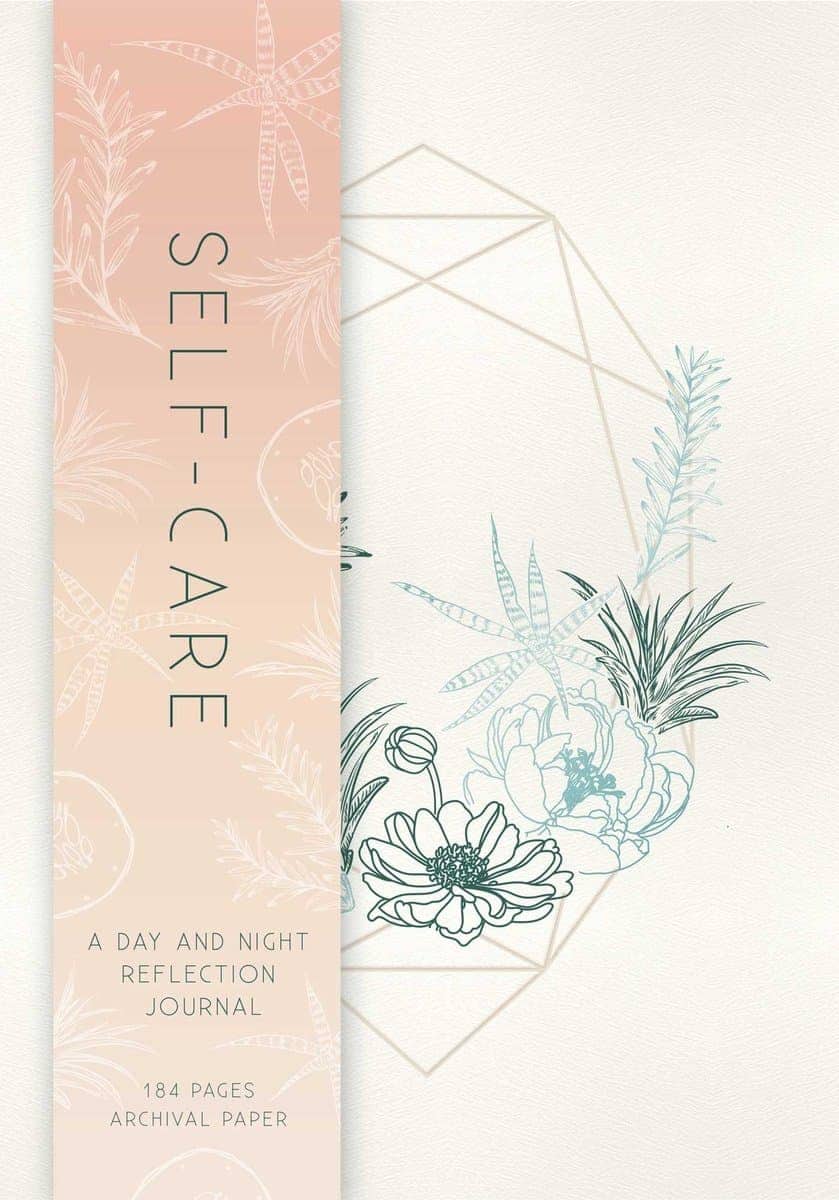
Self-Care Journal by Insight Editions
Create a daily self-care routine that helps you feel calmer, more balanced, and in control—even on busy days.
Did you know? By buying from Bookshop.org, you help support independent bookstores.
So why is this practice so important?
Because life can get hectic. Between endless to-do lists, work, and obligations, it’s easy to forget to carve out time for yourself.
But when we do that, we risk burnout, frustration, and feeling totally drained.
Treating yourself, even in small ways, is a reminder of your own worth. It’s a chance to show yourself some love and recharge, so you have the energy to take on everything else life throws your way.
Found this helpful? Pin it for later so you can come back anytime.
7. Master the Art of Saying No
One of the most powerful ways to take care of your mental health is learning how to say “no.” When we constantly feel like we have to say ‘yes’ to everything, it can be overwhelming.
Over time, this pressure can lead to:
- Stress
- Burnout
- Resentment
But when we say no, we’re actually prioritizing ourselves—and reminding ourselves that we matter, too.
Learning to say no is not only good for your mental well-being, it’s also a big win for your personal and professional growth.
Now, I know saying no isn’t always easy, especially if you’re someone who feels guilty or obligated to say yes all the time. But just like anything else, with consistent practice, it becomes easier and way more natural.
I used to struggle with saying no. But over time, I realized how important it is to protect my time and energy. I started focusing on commitments that align with my values and needs—not just trying to please others.
Some might say putting yourself first is selfish, but in reality, if you neglect your own needs, it makes it a lot harder to care for others.
You can’t pour from an empty cup, right?
Taking care of yourself allows you to show up for others with love and energy.
8. Engage in a Hobby
Making time for hobbies can work wonders for your mental health and overall well-being.
Research shows that people who make time for activities they enjoy are generally happier and less stressed.
A hobby should be something you truly enjoy and look forward to—something that lets you take a break from the usual daily grind and focus on what makes you happy.
When we carve out time for things that bring us joy, it boosts our overall satisfaction with life. It’s one of the simplest but most powerful ways to practice self-care.
Here are a few hobby ideas to get you started:
- Dancing
- Gardening
- Singing
- Playing instruments
- Writing
- Painting
As we get older, hobbies often slip to the bottom of the priority list. They start to feel like “nice-to-haves” instead of essential parts of our well-being—especially when life gets busy.
But here’s the thing: hobbies aren’t a luxury—they’re key to our happiness and mental health.
The funny part is, many of us feel like we don’t have time for hobbies, but we can easily spend hours scrolling through social media or watching TV.
Wouldn’t it feel way more rewarding to invest that time in something that lifts your mood instead?
Even if your schedule is packed, try carving out just a few hours a week for something you love. It’s a small but powerful way to prioritize self-care, and it’s easier to integrate into your routine than you might think.
9. Learn New Things
Learning is a core part of what makes us human. It fuels our growth, builds our confidence, and helps us become more resilient.
But as we get older, it’s easy to let that curiosity slip away.
When we were younger, school, hobbies, and socializing gave us plenty of chances to learn new things. But as we get older, the drive to keep learning doesn’t always come as naturally.
The thing is, growth should never stop. No matter your age, there’s always something new and exciting to explore.
Learning new things gives us a sense of accomplishment and boosts our self-esteem. It’s one of the best ways to keep feeling motivated and engaged with life.
Here are a few ways to keep learning:
- Reading books
- Finally tackling tasks we’ve been putting off
- Taking online courses
- Picking up a new hobby or skill
Maybe you’ve been putting off getting your driver’s license, learning how to ride a bike, or even mastering French.
Tackling these challenges can give you a huge sense of fulfillment and reinvigorate your sense of purpose.
Plus, research shows that trying new things and expanding our experiences can lead to more happiness and increased brain activity. It’s a reminder that life is about constant growth—we’re not meant to stay stagnant.
10. Take Care of Your Appearance
Caring about your appearance often gets a bad rap. Some people think that accepting yourself as you are—without putting any effort into how you look—is the best approach.
But here’s the thing: that mindset can actually hurt your well-being.
Taking a little time to invest in how you present yourself—whether that’s dressing nicely or just putting in a little effort—can do wonders for your self-confidence and overall mood.
It’s not about seeking validation from others; it’s about feeling good in your own skin.
Now, I’m not saying you need to spend hours getting ready each day. Even just an extra 10 minutes in the morning can make a huge difference.
Feeling good about how we look is important, but it’s all about balance. Whether we rely too much on our appearance for self-worth or completely neglect it – both can be harmful.
The key is to find a balance. A small effort to care for yourself can have a lasting, positive impact on how you feel, inside and out.
11. Declutter Your Space
A cluttered living space can seriously mess with your mood and energy. But taking the time to tidy up can bring a sense of peace and calm that sets a positive tone for the rest of your day.
When we create a neat, organized space, it’s not just about cleaning—it’s about fostering inner peace, too.
A tidy environment can help:
- Boost productivity
- Increase energy and happiness
- Keep you centered and focused
Living in a cluttered space can drain your energy and make even simple tasks feel overwhelming. It can also contribute to stress or even feelings of depression.
A big reason we struggle with clutter is the emotional attachment we develop to our stuff. We often hold onto things because of sentiment or the thought that we might need them one day.
It’s totally normal to feel attached to certain items, but sometimes it’s worth stepping back and asking if they still serve a purpose in your life.
Letting go of things that no longer contribute to your well-being can feel incredibly freeing—and you might even realize you don’t miss them at all.
Final Thoughts
In today’s fast-paced world, stress and burnout are all too common, but the good news is that we have the power to prioritize our well-being.
Embracing daily self-care practices like spending time outdoors, getting enough sleep, and indulging in hobbies can make a huge difference in how we manage stress and improve our overall well-being.
So, the next time life feels overwhelming, consider incorporating these daily self-care practices into your daily routine.
Remember, self-care isn’t selfish—it’s essential for maintaining both your physical and mental health. When you make time for activities that bring you joy and relaxation, you’ll find that taking care of yourself helps you better handle life’s challenges.
Plus, when you prioritize yourself, you’ll be in a better position to be present for the people who matter most.
*This article is for informational and educational purposes only and should not be considered a substitute for professional mental health advice. If you are experiencing emotional distress or mental health challenges, please seek guidance from a licensed therapist or mental health professional.
"Caring for Your Mental Health." National Institute of Mental Health, Last Reviewed: December 2022, https://www.nimh.nih.gov/health/topics/caring-for-your-mental-health. Accessed 19 November 2023.
Franchina, Vittoria et al. “Fear of Missing Out as a Predictor of Problematic Social Media Use and Phubbing Behavior among Flemish Adolescents.” International journal of environmental research and public health vol. 15,10 2319. 22 Oct. 2018, doi:10.3390/ijerph15102319. Adapted and used under the Creative Commons Attribution 4.0 International License.
“Keep Active & Eat Healthy to Improve Well-being & Feel Great.” National Institute of Diabetes and Digestive and Kidney Diseases, Last Reviewed January 2018, https://www.niddk.nih.gov/health-information/weight-management/keep-active-eat-healthy-feel-great. Accessed 19 November 2023.
Lin, Brenda B et al. “Visiting Urban Green Space and Orientation to Nature Is Associated with Better Wellbeing during COVID-19.” International journal of environmental research and public health vol. 20,4 3559. 17 Feb. 2023, doi:10.3390/ijerph20043559. Adapted and used under the Creative Commons Attribution 4.0 International License.
"New and Diverse Experiences Linked to Enhanced Happiness, New Study Shows." National Science Foundation, Research News, June 2, 2020, https://new.nsf.gov/news/new-diverse-experiences-linked-enhanced-happiness. Accessed 21 November 2023.
Pagoto, Sherry et al. “A Call for a Public Health Agenda for Social Media Research.” Journal of medical Internet research vol. 21,12 e16661. 19 Dec. 2019, doi:10.2196/16661. Adapted and used under the Creative Commons Attribution 4.0 International License.
Patel, Devki A et al. “Reactance, Decisional Procrastination, and Hesitation: A Latent Class Analysis of Clutter Behavior.” International journal of environmental research and public health vol. 20,3 2061. 23 Jan. 2023, doi:10.3390/ijerph20032061. Adapted and used under the Creative Commons Attribution 4.0 International License.
”Self-talk.” Health Direct Australia, Last reviewed February 2022, https://www.healthdirect.gov.au/self-talk. Accessed 20 November 2023.
"Sleep Problems." From the FDA Office of Women’s Health, U.S. Food and Drug Administration, Content current as of 04/12/2019, https://www.fda.gov/consumers/womens-health-topics/sleep-problems. Accessed 19 November 2023.
Watson, Stephanie, and Cherney, Kristeen. "The Effects of Sleep Deprivation on Your Body." Healthline, medically reviewed by Thomas Johnson, PA-C, Updated 13 September 2023, https://www.healthline.com/health/sleep-deprivation/effects-on-body. Accessed 19 November 2023.
Wong, Nikita A, and Hamed Bahmani. “A review of the current state of research on artificial blue light safety as it applies to digital devices.” Heliyon vol. 8,8 e10282. 15 Aug. 2022, doi:10.1016/j.heliyon.2022.e10282. Adapted and used under the Creative Commons Attribution 4.0 International License.
Zawadzki, Matthew J., Joshua M. Smyth, and Heather J. Costigan. "Real-Time Associations Between Engaging in Leisure and Daily Health and Well-Being." Annals of Behavioral Medicine, vol. 49, no. 4, 2015, pp. 605-615. doi:10.1007/s12160-015-9694-3.
“Your Healthiest Self - Emotional Wellness Toolkit.” National Institutes of Health, Last reviewed on August 8, 2022, https://www.nih.gov/health-information/emotional-wellness-toolkit. Accessed 19 November 2023.

Linda is the co-founder of Courier Mind and holds a Diploma in Natural Health Nutrition & Diet. Her passions include photography, personal growth, and travel, where she draws inspiration from diverse cultures and their approaches to mindset and self-discovery. She is committed to helping others set meaningful goals, overcome self-doubt, and become the best version of themselves.