
Empaths in Relationships: How to Protect Your Emotional Health

This post contains affiliate links, which means we may earn a commission if you purchase through our links—at no extra cost to you. As an Amazon Associate we earn from qualifying purchases. We only recommend products we use or trust. Learn more about affiliate marketing or read our full disclosure.
If you’ve ever felt completely drained after spending time with someone—or found yourself carrying emotions that didn’t feel like your own—you might be an empath.
And if you are, then you know that empaths in relationships face some pretty unique challenges.
Being deeply in tune with other people’s emotions can be a beautiful gift. But let’s be real—it can also be overwhelming.
It’s all too easy to absorb your partner’s stress, sadness, or anxiety without even realizing it. And when that happens, your emotional balance can take a serious hit.
So, how do you protect your emotional well-being without shutting down or pulling away?
That’s exactly what we’re diving into here.
In this article, I’ll share how empaths in relationships can stay grounded, set boundaries, and thrive—without losing themselves in the process.
Let’s get into it!
What It Really Means to Be an Empath in a Relationship
Before we get into how to protect our emotional health, let’s take a moment to talk about what empathy really is—and how it shows up when we’re in relationships.
Empathy is our ability to sense and feel what someone else is going through emotionally.
It’s what allows us to deeply connect, support, and understand the people we care about.
And honestly? That’s a beautiful thing.

But for us empaths, that emotional sensitivity is turned way up. It’s like having the volume on everyone else’s feelings at full blast.
And while that can make us incredibly caring partners, it can also leave us feeling overwhelmed, drained, and unsure of where we end and our partner begins.
If you’re looking to understand this better, I highly recommend The Empath’s Survival Guide: Life Strategies for Sensitive People by Judith Orloff (available on Bookshop.org). It’s packed with relatable insights and practical tools to help us stay grounded and emotionally healthy.
book tip
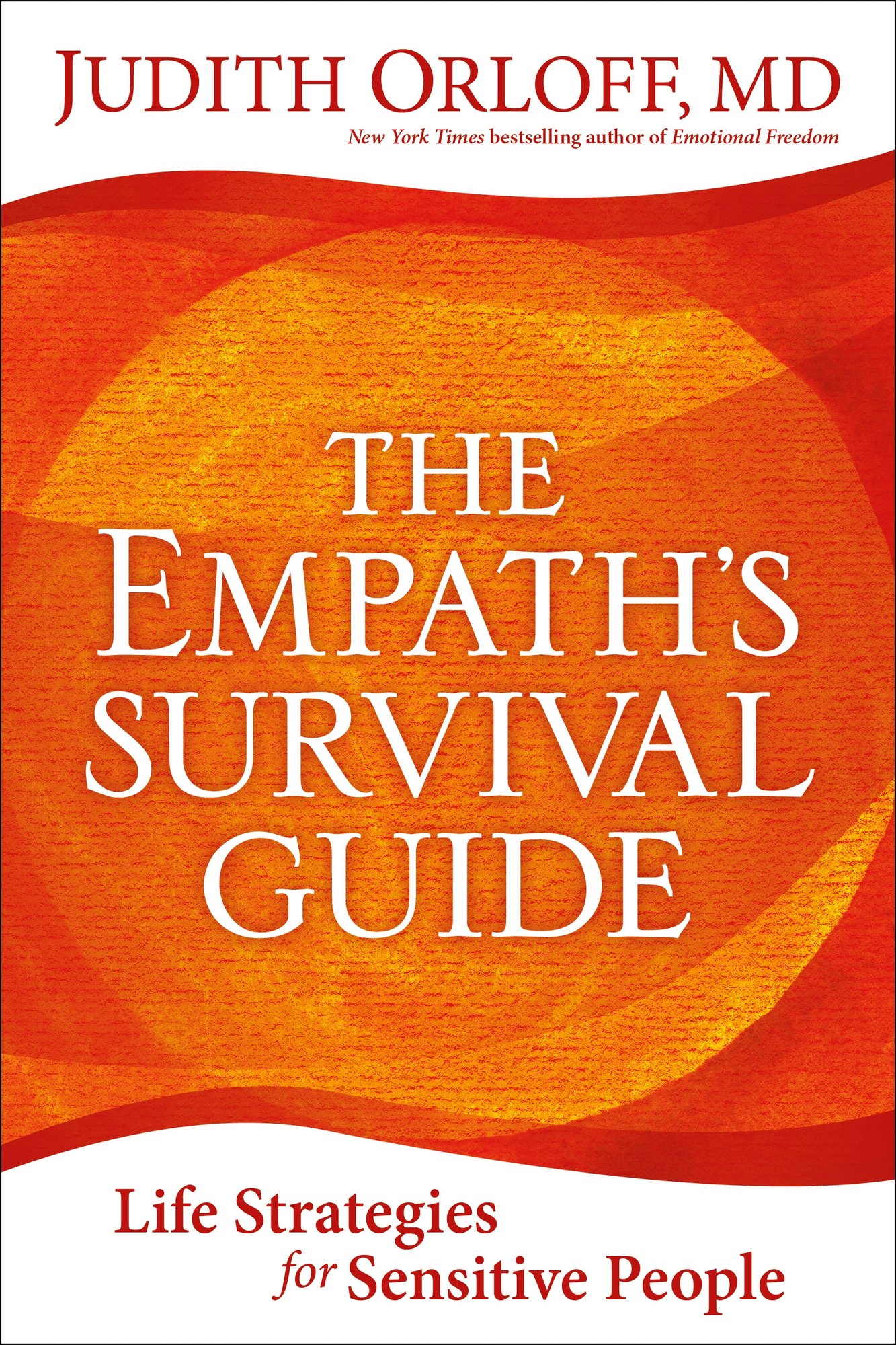
The Empath’s Survival Guide
By Judith Orloff, MD
Do you ever feel drained after being around certain people? Or overwhelmed by emotions that don’t even feel like your own?
Did you know? When you buy through Bookshop.org, you’re helping support independent bookstores.
The Struggles We Often Face as Empaths in Relationships
Let’s be honest—being an empath in a relationship can sometimes feel like emotional gymnastics. One minute you’re fine, the next you’re crying over someone else’s bad day.
Sound familiar?
These common struggles aren’t flaws—they’re just part of how we’re wired. And with a little awareness, we can learn to handle them with a lot more ease.
Here are some of the emotional hurdles we tend to run into when we’re navigating relationships as empaths:
Emotional overload
We don’t just notice our partner’s emotions—we feel them. And when they’re upset or stressed, we can easily become emotionally overloaded ourselves.
blurry boundaries
Saying “no” or asking for space can feel selfish when all we want is to support the people we love. But without boundaries, we risk losing ourselves.
absorbing others’ emotions
Sometimes, we pick up on emotions that aren’t even ours and carry them around like emotional baggage. No wonder we feel exhausted.
Feeling Responsible for Fixing Everything
We want to help. We need to help. But that can lead us to take on responsibility for our partner’s emotional state—which isn’t actually ours to carry.
putting our needs last
Conflict-avoidance and people-pleasing can cause us to shove our own needs aside—until we’re running on empty.
overwhelm during conflict
Tension and emotional intensity can feel like too much. We might shut down, withdraw, or try to smooth things over just to stop the discomfort.
RELATED POST: 10 Key Signs That Make You an Empath
How to Protect Your Emotional Health in Relationships
Yes, being an empath in a relationship can feel like a rollercoaster—but it doesn’t have to leave you emotionally wiped out.
With a few mindful shifts, you can create stronger, healthier connections and protect your energy in the process.
Here are 7 tips to protect your emotional health in relationships:
1. Set Boundaries—and Actually Stick to Them
Boundaries can feel hard for us empaths. We want to be there for others, and we hate the thought of disappointing someone.
But without clear limits, we can end up emotionally drained, disconnected from ourselves, or—let’s face it—even taken advantage of.
Here are a few ways to make boundaries feel doable—not cold or rigid, just healthy and loving:
Communicate Clearly
Speak your truth with kindness. Use “I” statements to share how you feel without blaming. Try: “I need some quiet time to reset,” instead of “You’re always overwhelming me.”
Be Consistent
Once you set a boundary, honor it. The more consistent you are, the more others will understand and respect your limits—and the more you’ll trust yourself to uphold them.
tune into your energy
Your body and emotions will let you know when something’s off. If you’re feeling resentful, exhausted, or anxious, check in with your boundaries. Something may need adjusting.
Say not without guilt
Saying no doesn’t make you selfish—it makes you sustainable. Practice saying it with love and confidence. You’re allowed to protect your peace.
If you’re also a highly sensitive person (like I am), you might be curious to explore some of the common struggles HSPs face in relationships. It’s a great read for understanding how sensitivity shows up alongside empathy—and how to navigate both with care.
RELATED POST: 10 Challenges for Highly Sensitive People in Relationships
2. Manage Emotional Overload (Without Shutting Down)
As empaths, we don’t just notice emotions—we feel them, deeply.
And when things get intense, it can lead to full-on emotional overload. Sometimes it even shows up in our bodies: fatigue, headaches, anxiety, or the sense that we just need to hide from the world.
That’s why learning to manage emotional overload isn’t optional—it’s essential for our mental, emotional, and even physical well-being.
The good news? A few simple practices can make a huge difference.
Here are a few ways to reset when emotions run high:
prioritize daily self-care
Recharging isn’t selfish—it’s survival. Whether it’s journaling, walking solo in nature, moving your body, or simply being quiet with yourself, carve out time to decompress and let your own emotions surface.
try grounding techniques
When you feel like you’re spiraling, pause. Take slow, deep breaths. Focus on your senses—what you can touch, hear, see, or smell.
Visualization, like imagining roots anchoring you to the earth, can also help bring you back to center.

clear & protect your energy
Our energy fields can get cluttered, especially if we’re around heavy emotions. Gentle rituals like a salt bath, smudging with sage, or even Reiki can help clear emotional buildup.
Personally, I love using Epsom salt by Sky Organics for a calming soak, or lighting White sage smudge sticks by JL Local to reset the vibe after a long day. You can find both on Amazon.
limit negative input
Be honest with yourself about what drains you. Doomscrolling? Toxic conversations? The constant noise of social media?
Protect your peace by setting limits on the things that leave you feeling heavy.
3. Build Your Emotional Resilience (So You Don’t Get Stuck in the Hard Stuff)
Managing emotional overload is essential—but just as important is building emotional resilience.
For us empaths, this means strengthening our ability to bounce back after emotional challenges instead of getting stuck in them.
The truth is, relationships will always come with ups and downs. But the more resilient we are, the less likely we are to be thrown off course by every emotional wave.
Here are some tips to build emotional resilience:
develop healthy coping mechanisms
Whether it’s talking to a therapist, opening up to a trusted friend, moving your body, or reinforcing your boundaries, having solid coping tools in place can make all the difference when emotions run high.
practice mindfulness
Techniques like mindful breathing or meditation help us slow down, stay present, and observe emotions without getting swept away by them.
If you’re curious about starting a mindfulness practice, The Headspace Guide to Meditation and Mindfulness by Andy Puddicombe is a great, beginner-friendly read (available on Bookshop.org). It offers simple and effective techniques to help you manage stress, improve focus, and nurture your emotional well-being.
book tip

The Headspace Guide to Meditation and Mindfulness
By Andy Puddicombe
What if 10 minutes a day could make your life less stressful and more fulfilling?
Did you know? When you buy through Bookshop.org, you’re helping support independent bookstores.
strengthen your support system
Surround yourself with people who understand and support your empathic nature.
That might mean friends, family, a partner, a support group, or even an online community. You don’t have to do it alone.
cultivate self-compassion
We can be our own worst critics, especially when emotions feel messy. But beating yourself up doesn’t help.
Try talking to yourself the way you’d talk to someone you love—with patience, kindness, and empathy.
4. Handle Conflict Without Losing Your Cool (or Yourself)
Let’s be honest: conflict can feel like a minefield when you’re an empath.
Tension, raised voices, or intense emotions can be deeply uncomfortable—and we often end up absorbing it all like a sponge.
But avoiding conflict completely isn’t the answer either.
With a few mindful strategies, we can learn to face difficult emotions and conversations without losing our balance.
Here’s how to approach it:
stay calm and centered
During conflict, take a breath (or five). Remind yourself: These feelings aren’t mine to carry. You’re allowed to stay grounded in your own emotional space.
express your feelings too
You’re likely a great listener—but don’t forget your voice matters too.
Speak up about your needs and boundaries, even if it feels uncomfortable. You deserve to be heard.
seek resolution, not avoidance
As empaths, we often want to sidestep tension altogether—but unresolved issues don’t disappear.
Facing the discomfort gently and working toward resolution helps protect your long-term emotional health.
take time to process
You might need more time to process emotional conversations, and that’s okay.
Let your partner or loved one know that stepping away to reflect isn’t shutting down—it’s part of how you stay balanced and engaged.
RELATED POST: Highly Sensitive, Introvert, or Empath – How to Know?
5. Make Yourself a Priority
Let’s be real: when you’re deeply tuned into other people’s emotions, it’s easy to forget your own.
But prioritizing your well-being isn’t selfish—it’s essential.
Here are some self-care practices that can help you recharge and stay emotionally balanced:
schedule regular alone time
Take intentional breaks from emotional stimulation. Whether it’s reading, walking in nature, or just sitting in silence—make space for yourself.
Engage in Creative Expression
Channel your feelings into something creative—writing, painting, dancing—whatever helps you process and release what you’re carrying.
Nurture Your Body
Your physical health matters too. Move your body, eat nourishing foods, and get the rest you need. A healthy body helps support a healthy mind.
Set Realistic Expectations
You’re not responsible for fixing everything or everyone. Give yourself permission to say no and honor your own limits.
RELATED POST: 11 Ways to Build Self-Care Practices Into Your Daily Life
6. Speak Your Truth
As empaths, we feel deeply—but expressing ourselves clearly doesn’t always come easily. Sometimes we soften our truth to avoid conflict or hold back to keep the peace.
But real connection comes from real communication.
Try these tips to improve how you express and protect your needs:
Practice Assertiveness
Being assertive doesn’t mean being aggressive—it means honoring your own voice while still being respectful of others.
Be Honest and Direct
It’s okay to be kind and clear. Being upfront can feel uncomfortable at first, but it leads to healthier, more authentic relationships.
Listen Actively
You likely already listen well—but take it one step further. Reflect back what you hear, ask clarifying questions, and notice body language to show you’re truly present.
7. You Don’t Have to Do It Alone (When to Seek Support)
Being an empath can sometimes feel like carrying the emotional weight of the world—and it’s okay to reach out when it gets too heavy.
If you’re struggling to cope or feeling consistently overwhelmed, professional support can make a big difference.
Here’s how working with a therapist, coach, or counselor can help:
Personalized Guidance
Get tools and strategies tailored to your unique emotional makeup and relationship dynamics.
Emotional Validation
Sometimes, just feeling seen and heard by someone who gets it is incredibly healing.
Skill Development
Learn techniques for managing emotions, setting boundaries, and strengthening communication.
Stress Management
Gain support in creating a lifestyle that protects your peace and prevents burnout.
Remember, you don’t have to carry everything on your own.
Getting support isn’t a sign of weakness—it’s a way to protect your energy and show up more fully in your life and relationships. Sometimes, having someone in your corner makes all the difference.
Final Thoughts
Being an empath in relationships is both a gift and a challenge.
Our ability to deeply understand and connect with others can make our relationships incredibly meaningful—but it also means we’re more vulnerable to emotional overwhelm.
Let’s face it: conflict, misunderstandings, and emotional ups and downs are all part of any relationship.
But for us empaths, staying emotionally healthy means learning to communicate clearly, listen with intention, and find middle ground without losing ourselves in the process.
More than anything, we need to prioritize our own well-being.
Whether it’s through daily rituals like meditation, movement, journaling, or simply carving out quiet time to recharge, self-care isn’t optional—it’s essential.
Empathy is a beautiful strength, and when we learn to protect our emotional health, we’re able to show up fully—not just for others, but for ourselves too.
So here’s the truth: empaths in relationships can thrive. With boundaries, awareness, and regular self-care, we can love deeply without losing our sense of self.
New to the idea of being an empath?
If you’re just starting to explore what it means—or wondering how it might be showing up in your life—these quick FAQs can help you understand yourself a little better.
Frequently Asked Questions
*This article is for informational and educational purposes only and should not be considered a substitute for professional mental health advice. If you are experiencing emotional distress or mental health challenges, please seek guidance from a licensed therapist or mental health professional.
Lucchesi, Emilie Le Beau. "What Is Empathy Overload?" Discover Magazine, 3 October 2023, https://www.discovermagazine.com/mind/what-is-empathy-overload. Accessed 4 December 2024.
Orloff, Judith, M.D. "Are You a Relationship Empath?" Psychology Today, 20 May 2014, https://www.psychologytoday.com/intl/blog/the-genius-of-empathy/201405/are-you-a-relationship-empath. Accessed 4 December 2024.
Orloff, Judith, M.D. "The Importance of Self-Care for Sensitive People." Psychology Today, 22 September 2022, https://www.psychologytoday.com/intl/blog/the-empaths-survival-guide/201909/the-importance-of-self-care-for-sensitive-people. Accessed 4 December 2024.

Malin, co-founder of Courier Mind, is passionate about personal growth and mindset. With a focus on self-discovery and goal-setting, she creates content that inspires confidence, balance, and growth for the mind and spirit.