

Helpful Tips to Stay Organized With To-Do Lists and Task Planners
Feeling overwhelmed by your never-ending list of tasks?
You’re not alone. Busy days and endless to-dos can leave us feeling scattered, making organization feel more like a wishful dream than a realistic goal.
That’s where to-do lists and task planners come in.
These simple tools aren’t just for super-organized types—they’re powerful ways to reduce stress, stay focused, and actually get things done.
In this article, I’ll share practical tips to stay organized using tools that work with your life, not against it.
So if you’re ready to ditch the overwhelm and finally get on top of your daily chaos, let’s dive in.
This post contains affiliate links, which means we may earn a commission if you purchase through our links—at no extra cost to you. As an Amazon Associate we earn from qualifying purchases. We only recommend products we use or trust. Learn more about affiliate marketing or read our full disclosure.
The Hidden Power of Goal-Setting (and What Happens Without It)
Even with all the modern tools and conveniences at our fingertips, many of us are more stressed than ever.
Between juggling work, deadlines, and nonstop responsibilities, it’s no wonder we often feel like we’re barely keeping up.
And when that pressure builds, it doesn’t just weigh on your mind—it takes a real toll on your health.
Found this helpful? Pin it for later so you can come back anytime.

In fact, chronic stress—especially from work—is linked to serious issues like:
- Heart disease
- Depression
- Type 2 diabetes
- Insomnia
- Weight gain or loss
- Smoking and alcohol abuse
But here’s something many people don’t realize: it’s not just packed schedules or demanding jobs that leave us feeling overwhelmed.
It’s also the mental clutter of unfinished tasks.
That’s why goal-setting and planning are so powerful. They don’t just organize your day—they quiet your mind.
By writing things down and creating structure, you give your brain permission to stop obsessing and start focusing.
The Zeigarnik Effect: Why Unfinished Tasks Weigh You Down
Ever notice how unfinished tasks tend to linger in your mind?
That’s no accident—it’s actually a psychological phenomenon called the Zeigarnik effect.
Simply put, your brain holds on to uncompleted tasks like open browser tabs. Until you finish them—or at least plan for them—they keep pulling your focus and energy.
Now imagine juggling ten of those “open tabs” in your head all day. It’s no surprise that it leads to stress, restlessness, and trouble concentrating, right?
That’s why effective planning is such a game-changer.
When you write things down and give each task a place on your to-do list or planner, it signals to your brain: “I’ve got this covered.” And just like that, your mental load gets lighter.
If you’re ready to clear the clutter and create more mental space, starting with a to-do list or task planner is one of the smartest moves you can make.
Why To-Do Lists Are a Game-Changer
Did you know we have over 6,000 thoughts a day?
That’s a lot of mental noise!
And your brain doesn’t stop just because you’re relaxing or watching a movie. It’s constantly running in the background—processing, planning, and worrying.
If you tend to overthink or get easily overwhelmed (especially if you’re a bit high on the neuroticism scale), this mental clutter can feel intense.
That’s where to-do lists come in.
Whether you’re a student, managing a full-time job, or running a household, getting tasks out of your head and onto paper (or screen) can make a world of difference.
One tool I recommend is the CICPAP To-Do List Notepad (available on Amazon). It’s designed to take the pressure off — with undated pages so you can pick it up whenever you need, without guilt.
The thick, high-quality sheets and sturdy cover make it something you’ll actually enjoy using, not just another notebook that gathers dust.

To Do List Notepad – To Do List Notebook for Work with 52 Sheets, Undated Daily Planner Perfect for Enhanced Productivity and Goal Achievement – Rosy Dawn
What Exactly Is a To-Do List?
To put it simply, it’s a list of everything you need to get done.
From errands and chores to major work projects, a to-do list helps you organize your tasks so you’re not trying to remember everything on the fly.
Why To-Do Lists Work Wonders
To-do lists aren’t just about staying productive—they’re about creating mental clarity. When life feels chaotic, a simple list can bring clarity and focus.
Here’s why to-do lists are so beneficial and how they can work wonders in your daily life:
They Help Clear Your Mind
With so many thoughts competing for your attention, uncompleted tasks can create mental chaos. Writing them down is like doing a brain dump—it lifts the weight off your mind and gives you breathing room.
Real talk: When I’m swamped with tasks, I often freeze because I don’t even know where to start. But as soon as I write them all down in my journal, the stress softens. Suddenly, things feel doable.
RELATED POST: 9 Relaxing Daily Routine Practices You Need for a Calm Life
They Keep You From Forgetting Things
Life is busy. Things slip through the cracks.
To-do lists act as your external brain, reducing the chance of forgetting something important—and saving you from that “Oh no, I totally forgot!” feeling.
They Help You Prioritize
Got a bunch of tasks but no idea where to begin?
A to-do list helps you separate the urgent from the flexible—and maybe even drop what doesn’t really matter.
They Make Planning Easier
With a clear list in front of you, it’s easier to block out time for specific tasks and structure your day more efficiently.
Some people like using time-blocking, where you assign tasks to chunks of time throughout the day. Try it and see if it works for you.
They’re Weirdly Satisfying
Let’s be honest—checking things off feels amazing.
That little dopamine hit gives you a sense of accomplishment and can actually boost your motivation to keep going.
Tips for Creating Effective To-Do Lists
There’s no one-size-fits-all when it comes to to-do lists. The best method is the one that works for you.
Whether you’re a pen-and-paper person or a digital planner fan, here are some practical tips to get you started:
Start with a Brain Dump
Get everything out of your head and onto paper (or screen). Don’t worry about the order—just write down every task, big or small.
This clears mental clutter and gives you a clearer starting point.
Prioritize What Matters
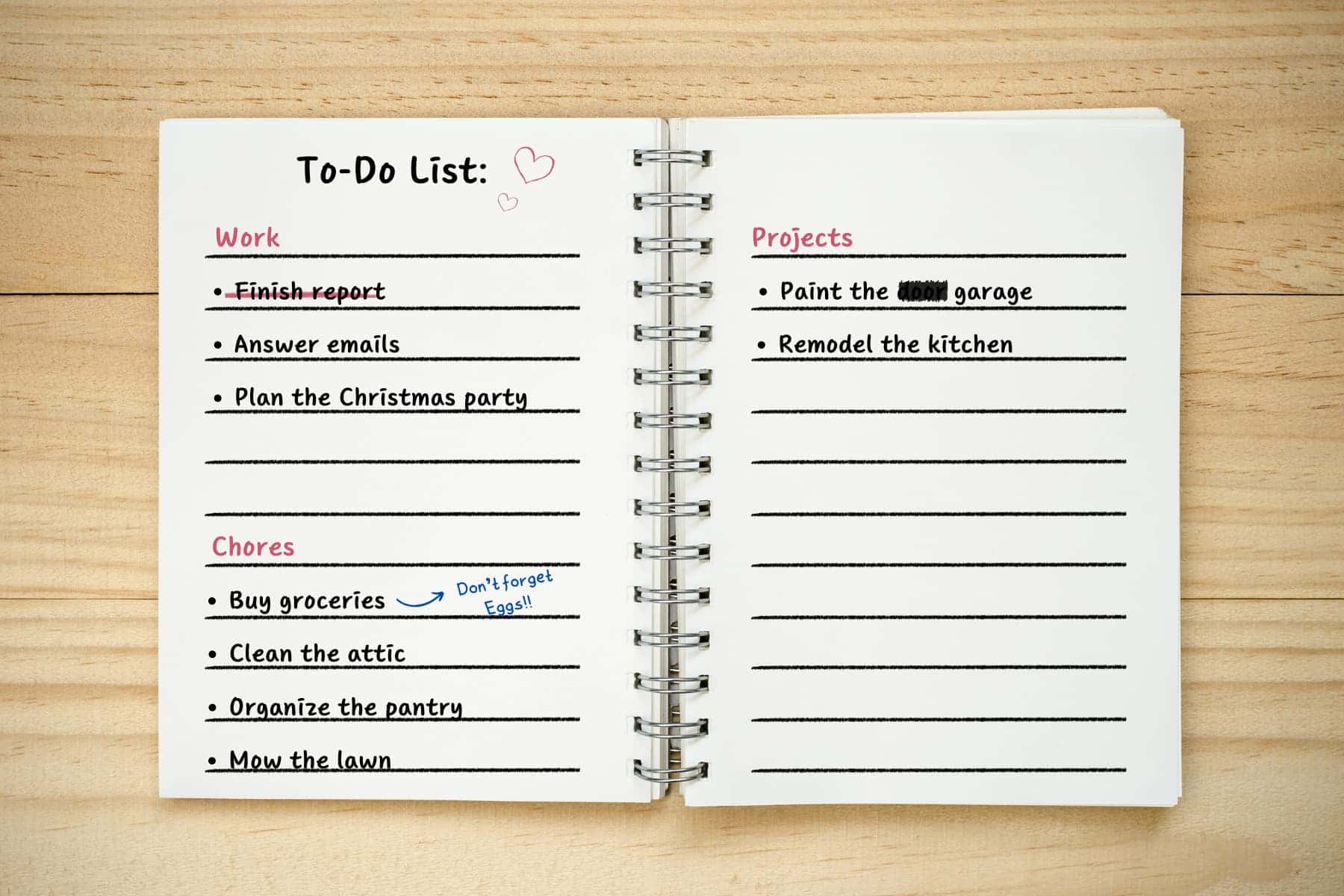
Once your list is laid out, sort tasks into high, medium, and low priority. Focusing on what truly matters first can help reduce stress and keep you moving forward.
Break Big Tasks into Steps
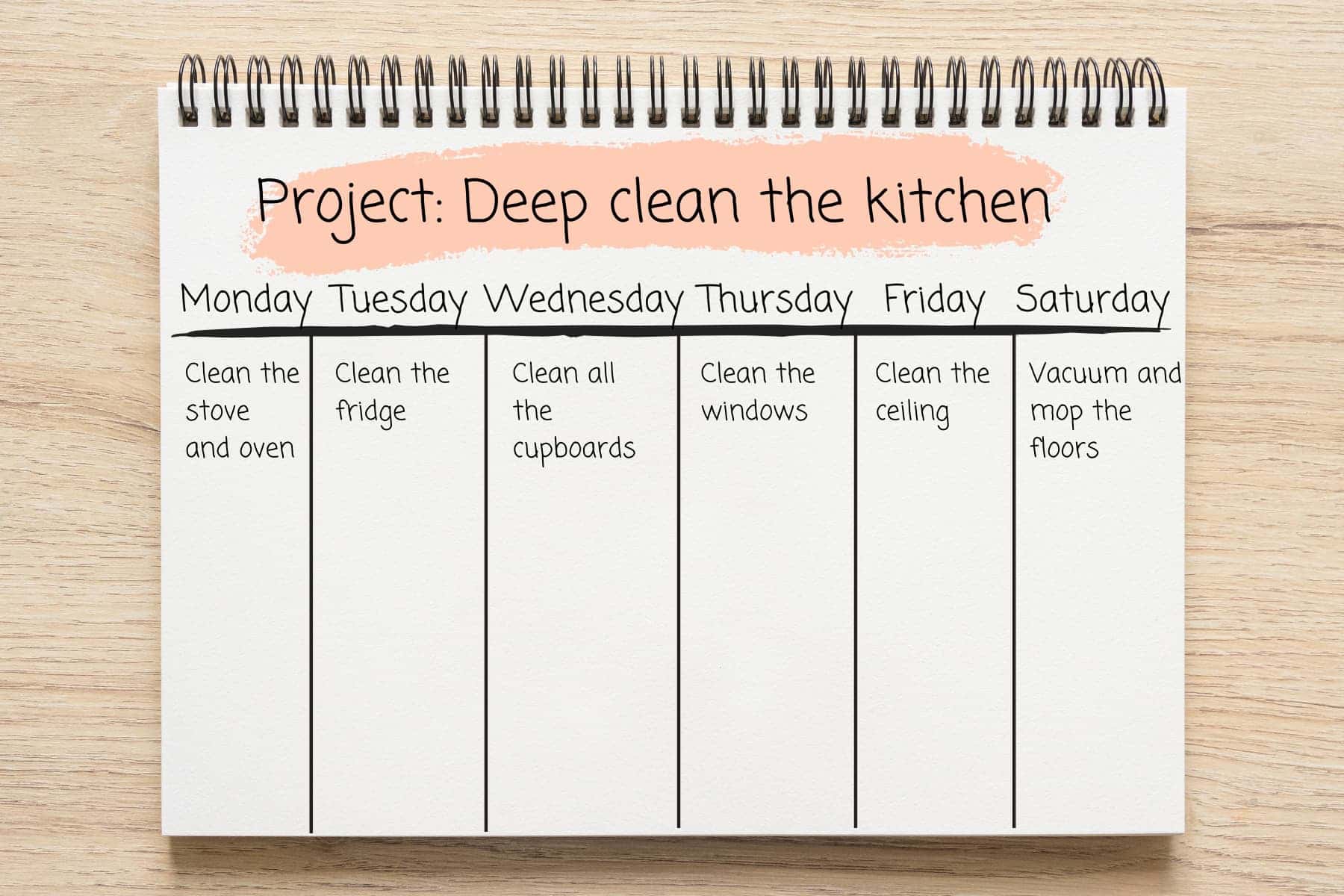
Large projects can feel overwhelming, so break them down into smaller, manageable steps.
Instead of writing “Deep clean the kitchen,” break it into:
- “Clean fridge”
- “Wipe counters”
- “Organize pantry”
Be Clear and Specific
Vague tasks lead to procrastination. Instead of “Work on garage,” try “Paint shelves in garage” or “Sort storage bins.”
Clear tasks lead to clear action.
Stay Flexible
Life happens. If something unexpected throws off your schedule, don’t stress—just reschedule and keep going.
Flexibility is key to making lists work for you, not against you.
Don’t Overload Your Day
It’s tempting to list everything, but too much can leave you overwhelmed. Keep your list realistic.
A shorter, focused list is often more productive than a long one that drains your energy.
Keep It Within Reach
Whether it’s a notebook, app, or sticky note, keep your list nearby. That way, you can check things off, update as needed, and keep your day on track with ease.
Task Planners: Take Your Organization to the Next Level
If to-do lists are great for daily task management, task planners elevate your organization game to a whole new level.
They don’t just help you tackle daily or weekly tasks—they also guide you through short and long-term goals, projects, and personal growth.
What Is a Task Planner?
A task planner is more than just a daily agenda—it’s a comprehensive tool designed to help you manage your responsibilities and personal aspirations.
Unlike a calendar, which focuses on events, appointments, and deadlines, a task planner helps you set goals, track progress, and reflect on your achievements.
It’s all about planning and growth—not just keeping up with the day-to-day.
RELATED POST: How to Create an Effective Daily Routine: 9 Tips for a More Productive Life
Why Use Task Planners?
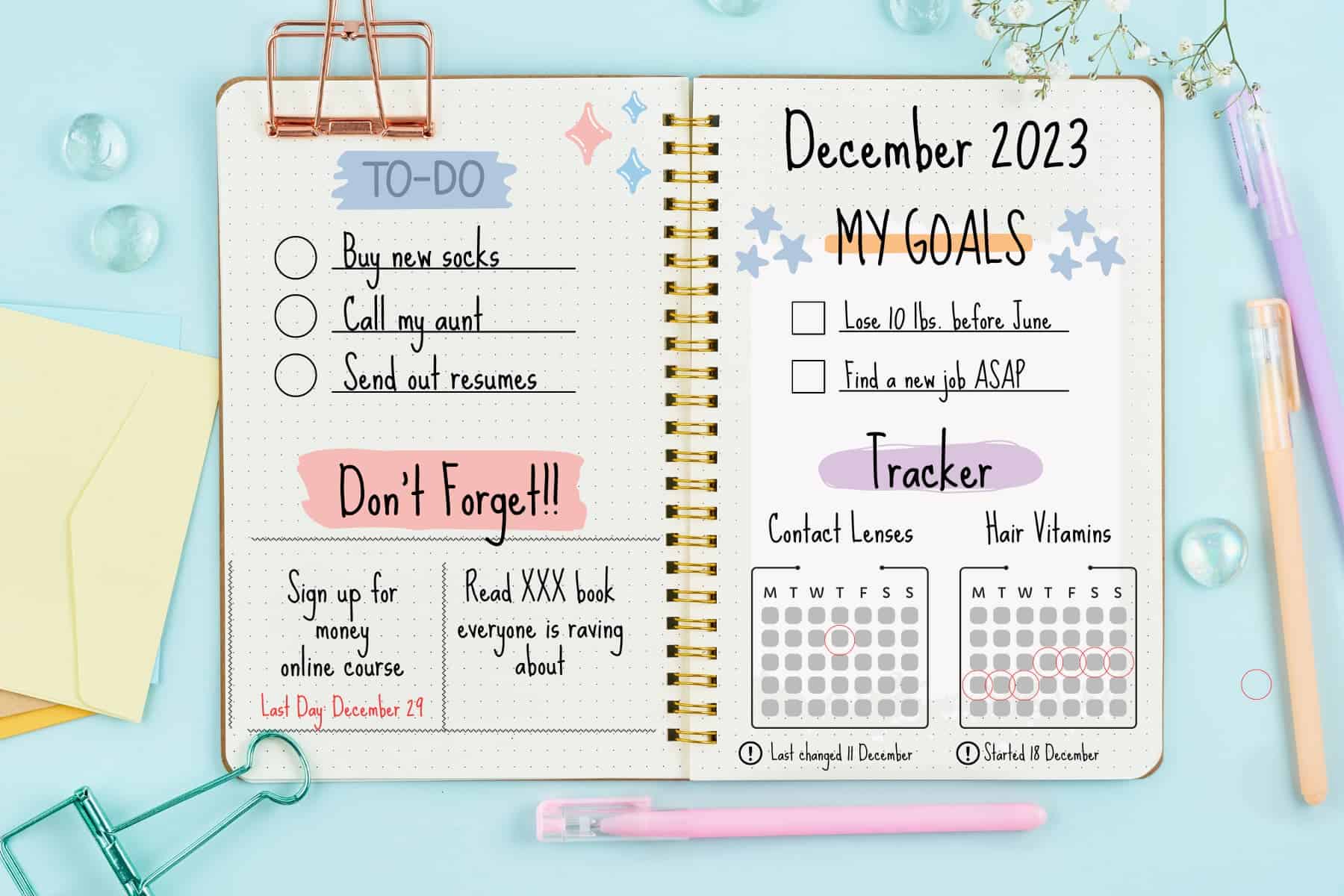
We all have those random thoughts floating around our heads like:
- “I need new socks.”
- “That book everyone’s talking about? I should read it.”
- “I really should take that online course on managing my finances.”
- “I want to lose weight by summer.”
- “I haven’t called my aunt in forever.”
- “When did I last replace my contact lenses?”
- “I should start those hair supplements again.”
- “Ugh, I hate my job. I really need to find something new.”
Now, imagine having a tool that lets you capture these scattered thoughts, prioritize them, and take action.
That’s where a task planner comes in!
With a task planner, you can organize everything from your personal goals to your daily tasks and stay on track.
Found this helpful? Pin it for later so you can come back anytime.

The Benefits of Using a Task Planner
The beauty of task planners is their versatility. They can assist with work projects, personal growth, health goals, and even lifestyle changes.
Whether you want to stay on top of work deadlines, build a new habit, or reflect on your growth, a task planner ensures that you stay organized and focused.
Here’s how a task planner can transform your productivity and your life:
Helps You Stay Organized
Task planners aren’t just for work-related projects; they help you organize everything.
Whether it’s life admin, self-care, or personal projects, a task planner can be customized to your needs.
You’ll have a clear, structured way to manage all the moving parts in your life.
Encourages Goal Setting
Setting clear goals—whether short-term or long-term—is empowering.
A task planner helps you break down your goals into actionable steps, making them feel more achievable.
One study shows that knowing when, where, and how to achieve a goal is important, but success comes down to your willingness to follow through.
A task planner helps you stay intentional and focused on achieving those goals by turning them into measurable actions.
Tracks Your Progress
Task planners give you the opportunity to track your progress over time. For instance, if your goal is to exercise three times a week, you can easily see how well you’re doing.
Noticing patterns in your success (or areas where you need improvement) allows you to adjust and stay on track.
If three workouts a week feel too ambitious, you can tweak your goal to two—and it still counts as progress!
Inspires Personal Growth
Task planners are versatile, so you can make them as personal as you’d like.
Add sections for daily gratitude, habit tracking, or even journaling to encourage self-reflection.
These features help you grow as an individual and make self-improvement an everyday practice.
Feeling like your days are running you instead of the other way around?
I totally get it—and honestly, one thing that can help you stay focused and on track is the Full Focus Planner by Michael Hyatt (available on Amazon). It’s designed to help you cut through the noise, stay clear on your top priorities, and actually make progress on your biggest goals (without the overwhelm).

Full Focus Gray Linen Planner by Michael Hyatt – The #1 Daily Planner to Increase Focus, Eliminate Overwhelm, and Achieve Your Biggest Goals – Hardcover
- Classic linen hardcover with elastic band + 2 ribbon bookmarks
- Size: 6.25″ × 9.25″ — portable but spacious for writing
- Step-by-step system: annual, quarterly, weekly & daily planning
- Focuses on your “Big 3” tasks each day to reduce overwhelm
If you’re looking for something to keep you grounded and intentional, this might be just the thing.
RELATED POST: Benefits of a Daily Routine: 11 Ways It Can Improve Your Life
Tips for Using Task Planners Effectively
Using a task planner is more than just jotting down a few things you need to do—it’s about creating a system that works for you.
To maximize the effectiveness of your task planner, follow these tips to stay organized, motivated, and on track toward your goals:
Set Clear Goals
The first step in using a task planner effectively is setting clear and specific goals.
What do you want to achieve both in the short term and long term?
Being specific about your goals helps direct your focus and gives you a sense of purpose.
Whether it’s completing a work project, building a new habit, or planning for a vacation, write down your goals in your task planner so you can track your progress and stay motivated.
Break Goals into Manageable Tasks
Once you’ve set your goals, break them down into smaller, actionable tasks. This is one of the most important steps because large goals can feel overwhelming.
Instead of simply writing “Write a book,” break it down into tasks like “Create an outline,” “Write the first chapter,” and “Edit draft.”
By chunking your larger goals into bite-sized pieces, you’ll be able to make steady progress without feeling stuck or defeated.
This is similar to creating a to-do list, but it’s all integrated into your task planner, giving you a bigger picture of how everything fits together.
Allocate Time for Tasks
One of the best features of a task planner is that it allows you to allocate specific time blocks for your tasks.
When you schedule a task, you’re not only setting a goal, but you’re also planning when to tackle it.
This time-blocking technique ensures you stay focused and prioritize essential tasks, helping you stay on top of everything from work responsibilities to personal commitments.
By assigning realistic deadlines and setting aside time each day, you’ll have a clearer path to completing your tasks.
A great option you can try is the Legend Planner PRO Hourly Schedule (available on Amazon). This planner gives you hourly time slots from morning to evening, so you can map out your day in detail.
That means no more vague “I’ll do it later” promises — you know exactly when each task will get done.

Legend Planner PRO Hourly Schedule – Weekly & Daily Organizer with Time Slots. Appointment Book Journal for Work & Personal, A4 (Rose Gold)
- Undated A4 planner with hourly time slots
- Sections for goal setting, habit tracking, and budgeting
- Durable PU leather cover and high-quality 120gsm paper
- Portable and practical for daily use
- Includes bookmarks and sticker sheets
Regularly Review Your Planner
It’s easy to get caught up in the day-to-day grind and forget to check in with your planner.
To keep yourself on track, set aside time each day or week to review your task planner. Reflect on what you’ve accomplished, and consider whether any adjustments are needed. Sometimes goals change, or new priorities arise.
By regularly reviewing your planner, you stay flexible and can realign your tasks with your current objectives.
This regular check-in process also gives you the chance to celebrate your wins, however small they may be, which keeps you motivated.
Stay Consistent
Consistency is key to making the most out of your task planner. It’s easy to forget about your planner for a few days, but the more you use it, the more effective it becomes.
Make it a daily habit—whether you’re filling out your planner in the morning, or checking it in the evening to assess your day.
The more consistently you use your planner, the more you’ll develop a rhythm and a sense of control over your schedule.
As you get more comfortable with your planner, you’ll notice that it becomes second nature, helping you stay organized and focused on your long-term goals while navigating the day-to-day tasks with ease.
Balancing To-Do Lists and Task Planners
To get the most out of your productivity tools, try using both to-do lists and task planners together.
They complement each other beautifully and can transform the way you stay organized.
Daily To-Do Lists
Use to-do lists to manage your everyday tasks—like work assignments, household chores, errands, and quick reminders.
These are perfect for helping you stay on top of the small but essential tasks that fill your day.
Task Planners
Task planners are ideal for big-picture planning. Use them to set and track meaningful goals, long-term projects, and personal development milestones.
They also come in handy for habit tracking—like noting how often you work out, indulge in sweets, read, or meditate.
They’re perfect for recording details like when you started taking supplements, began a new skincare routine, or adopted mindful eating habits.
Together, these tools help you manage both the micro and macro elements of your life—keeping the daily chaos in check while staying aligned with your long-term vision.
How to Stick With Your Planner
If you’re new to task planning, it might take a little time to get into the groove.
One of the best ways to build this new habit is by linking it to an existing one. This is known as habit-stacking.
For instance, if you typically scroll through your phone during lunch, try swapping that screen time for a few minutes with your planner.
Whether it’s reviewing your goals, checking off tasks, or planning tomorrow’s agenda, a consistent routine—like doing it during lunch—can help it become second nature.
Tools and Apps for To-Do Lists and Task Planning
Whether you prefer digital tools or the feel of pen and paper, there’s a solution that fits your style.
While I personally lean toward analog methods, here are some popular tools—both digital and traditional—that can help you get (and stay) organized:
Digital Tools
If you’re tech-savvy or always on the go, digital tools can be a game-changer for staying organized.
They offer features like reminders, recurring tasks, collaboration options, and cloud syncing—so your lists and plans are always within reach, whether you’re at your desk or running errands.
Here are some popular options:
Todoist
A top-rated productivity app that helps you organize tasks, set priorities, and remember deadlines. Great for beginners, with a free plan available.
Asana
A powerful platform that combines task management and project planning. Ideal for personal or team use. Offers a free plan for individuals.
Trello
A visual organizer where you can drag and drop tasks into categories or stages. Great for both to-do lists and long-term planning.
Notion
A flexible all-in-one workspace. Create task lists with checkboxes, due dates, and custom layouts. Excellent for both lists and planning. Free for personal use.
Ticktick
A straightforward and user-friendly app for building effective to-do lists. It lets you categorize tasks, set due dates, and prioritize with ease.
Analog Options
If you’re someone who finds joy in writing things down or simply prefers stepping away from screens, analog tools might be your perfect fit.
They give you full creative freedom—you can design your layouts, doodle in the margins, or turn your planner into a personal reflection space.
Notepad or notebook
Great for list-making, especially if you love writing things down. I personally use a notepad for quick lists and a notebook for daily task tracking.
A great option is the Taja Lined Spiral Journal Notebook (available on Amazon). It’s built to take daily use without falling apart or letting your pen bleed through.
It’s the kind of notebook you’ll actually want to carry with you — for quick lists, reminders, or capturing ideas on the fly.

Lined Spiral Journal Notebook for Women & Men, 140 Pages, College Ruled Hardcover Notebook for Work & Note Taking, Journals for Writing, A5(6"x8") – Pink
Bullet journal
My personal favorite! Bullet journaling gives you the freedom to design everything to your liking—from layouts to content.
If that sounds like you, the Taja Dotted Journal Notebook (available on Amazon) is a great partner in that journey. The paper is high quality (100 gsm), so you don’t have to worry about most pens bleeding through.

Dotted Spiral Journal Notebook for Women & Men, 140 Pages, Bullet Dotted Notebook for Journaling & Note Taking, Journals for Writing, A5(6"x8") – Purple
You’re not stuck with a pre-made structure, and it allows for ultimate customization.
Tips for choosing a Bullet journal:
- Go for dotted pages—they offer structure without being restrictive.
- Choose a journal with thicker paper to prevent ink from bleeding through.
- Look for soft, flexible binding—you’ll be flipping pages often for writing and sketching.
Staying organized isn’t just about tidiness—it’s a powerful way to support your mental, emotional, and physical well-being.
When your tasks and goals are clearly laid out, you spend less time stressing and more time doing.
It gives your brain space to rest, your schedule a sense of direction, and your life a little more harmony.
Final Thoughts
Staying organized doesn’t have to feel overwhelming or rigid—it can be a powerful act of self-care.
By using tools like to-do lists and task planners, you’re not just managing tasks—you’re creating space for clarity, focus, and a more intentional life.
Whether you prefer the structured flexibility of a digital app or the grounding presence of pen and paper, the key is finding a system that aligns with you.
Start small, be consistent, and give yourself grace along the way.
Remember, organization isn’t about perfection—it’s about progress. Every task you complete, every goal you plan, brings you one step closer to the life you’re striving for.
So, take a deep breath, grab your favorite planner (or app), and start shaping your day with purpose. You’ve got this.
*This article is for informational and educational purposes only and should not be considered a substitute for professional mental health advice. If you are experiencing emotional distress or mental health challenges, please seek guidance from a licensed therapist or mental health professional.
Kodden, B. "The Art of Sustainable Performance: The Zeigarnik Effect." The Art of Sustainable Performance, SpringerBriefs in Business, Springer, Cham, 2020, doi: 10.1007/978-3-030-46463-9_10.Adapted and used under the Creative Commons Attribution 4.0 International License.
Rogers, Todd, et al. "Beyond Good Intentions: Prompting People to Make Plans Improves Follow-Through on Important Tasks." Behavioral Science & Policy, vol. 1, no. 2, 2015, https://scholar.harvard.edu/files/todd_rogers/files/beyond_good_intentions_-_prompting_people.pdf. Accessed 10 December 2023. Used with permission.
Tseng, J., & Poppenk, J. "Brain Meta-State Transitions Demarcate Thoughts Across Task Contexts Exposing the Mental Noise of Trait Neuroticism." Nature Communications, vol. 11, 2020, p. 3480, https://doi.org/10.1038/s41467-020-17255-9. Adapted and used under the Creative Commons Attribution 4.0 International License.
Zhang Y, Huang L, Wang Y, Lan Y and Zhang Y. “Characteristics of Publications on Occupational Stress: Contributions and Trends.” Front. Public Health 9:664013. 2015 doi: 10.3389/fpubh.2021.664013. Adapted and used under the Creative Commons Attribution 4.0 International License.

Malin, co-founder of Courier Mind, is passionate about personal growth and mindset. With a focus on self-discovery and goal-setting, she creates content that inspires confidence, balance, and growth for the mind and spirit.