

The Best Hobbies for Beginners Who Want to Try Something New
Have you ever decided you wanted a hobby, only to spend the next hour scrolling through endless lists of ideas?
You want to try something new, but every activity seems to come with a steep learning curve, expensive equipment, or skills you haven’t learned yet. It can be enough to make you give up before you even get started.
The good news is that finding a new hobby doesn’t have to be complicated.
In fact, the best hobbies for beginners are often the simplest. They don’t require years of experience, a big financial investment, or a complete change to your lifestyle.
All they really ask is that you bring a little curiosity.
One of the biggest misconceptions about hobbies is that you need to find the perfect one right away. In reality, hobbies are meant to be explored. Some will hold your attention and leave you wanting more, while others simply won’t be for you.
And that’s perfectly okay.
Whether you’re looking for a creative outlet, a relaxing way to spend your free time, or simply a break from your usual routine, these beginner-friendly hobbies to try can help you discover something new.
This post contains affiliate links, which means we may earn a commission if you purchase through our links—at no extra cost to you. As an Amazon Associate we earn from qualifying purchases. We only recommend products we use or trust. Learn more about affiliate marketing or read our full disclosure.
Why Hobbies Are More Important Than You Think
These days, it’s easy to treat hobbies as a luxury.
Found this helpful? Pin it for later so you can come back anytime.
We’re so focused on what we need to do—work, errands, responsibilities, and the never-ending list of things competing for our attention—that doing something simply because we enjoy it can start to feel unproductive.
You might even find yourself thinking there are more important things you should be doing. But hobbies aren’t wasted time.
They give you space to try new things, develop skills, relax, be creative, and enjoy yourself without everything needing to have a practical purpose or measurable result.
Hobbies can also become an important part of who you are.
When you paint, garden, bake, play an instrument, or spend an afternoon taking photographs simply because it brings you joy, you’re making room for interests that exist outside your responsibilities.
You get to discover what catches your attention, what you’re good at, and what makes you feel more like yourself. A hobby doesn’t need to make you money or turn you into an expert to be worthwhile.
Sometimes, enjoying it is reason enough.
RELATED POST: 15 Reasons Why Having a Hobby Is Important
With that in mind, let’s look at some of the best hobbies to try when you’re ready for something new:
1. Painting
Many people avoid painting because they assume you need natural artistic talent to enjoy it. You don’t.
Painting is one of the easiest hobbies to try as a beginner because there are no strict rules to follow. You can experiment with watercolors, acrylics, paint-by-number kits, or simple canvas projects.
The goal isn’t perfection. The goal is to enjoy the process.
One of the unexpected benefits of painting is that it encourages you to slow down and focus on what you’re doing rather than worrying about the final result.
And sometimes, that’s exactly what you need.
If you’d like to give painting a try without choosing every supply separately, the koseibal Acrylic Paint Set for Beginners (available on Amazon) is an easy place to start. It gives you a simple way to experiment with acrylics and see whether painting is a hobby you want to keep exploring.
RELATED POST: Why Are Traditional Creative Hobbies Making a Comeback?
2. Gardening
Gardening teaches patience. In a world where we’re used to instant results, caring for plants is a gentle reminder that growth takes time.
You don’t need a large backyard to get started. A few herbs on a kitchen windowsill can be enough.
Many beginners start with basil, mint, rosemary, or small flowering plants before moving on to larger gardening projects.
Watching something grow because you’ve cared for it creates a sense of accomplishment that’s hard to replicate.
3. Reading
Reading remains one of the most accessible hobbies in the world.
Books give you a chance to learn new things, explore unfamiliar perspectives, and step away from everyday stress for a while.
If you’re not a regular reader, don’t pressure yourself to finish long novels. Start with topics that genuinely interest you.
Mysteries, biographies, travel stories, historical fiction, self-improvement books, and short story collections can all be great places to begin.
The key is finding something you actually enjoy reading.
If you enjoy stories with an intriguing premise, Before I Fall by Lauren Oliver (available on Bookshop.org) follows a teenager who finds herself reliving the same day again and again, giving her the chance to see her life—and the people around her—differently. It’s a good pick if you want a thought-provoking story with a mystery that keeps you reading.
book tip
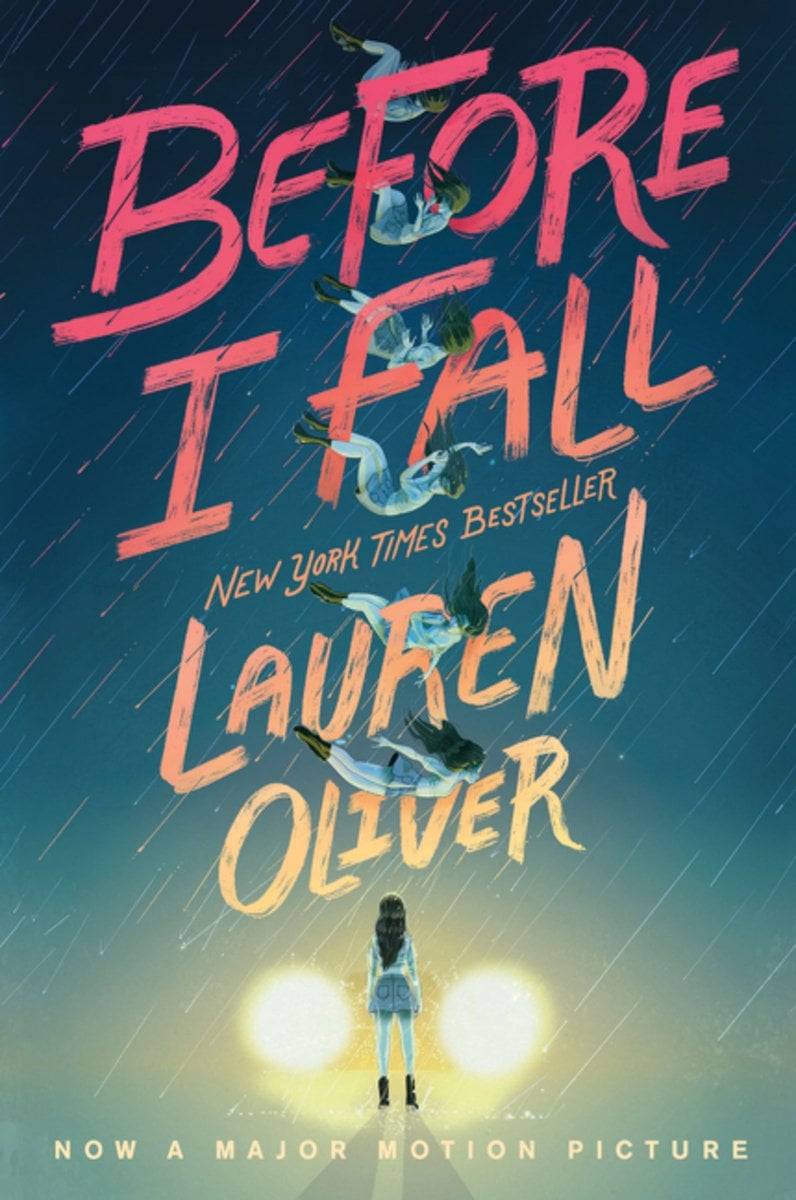
Before I Fall
By Lauren Oliver
What if today was your last day… and you had to live it over and over again?
Did you know? When you buy through Bookshop.org, you’re helping support independent bookstores.
4. Photography
Photography can change the way you see the world around you.
Suddenly, everyday moments start to feel more interesting.
- You notice light.
- You notice color.
- You notice details.
And the best part?
You don’t need professional equipment. Your smartphone is more than enough when you’re starting out.
Found this helpful? Pin it for later so you can come back anytime.
Photography also pairs naturally with other hobbies, including walking, traveling, hiking, and gardening.
You certainly don’t need to buy a camera to enjoy photography, but if you want to make it part of the fun, the Fujifilm Instax Mini 12 (available on Amazon) is an approachable option for beginners. The instant prints also give you something tangible to keep from the moments you capture.
5. Baking
There’s a reason baking continues to attract new enthusiasts every year. It’s creative, practical, and incredibly rewarding.
Unlike many hobbies, baking gives you a result you can enjoy right away. At the end of the process, you have something delicious to eat.
Start with simple recipes. Cookies, muffins, banana bread, and brownies are all beginner-friendly options.
As your confidence grows, you can gradually experiment with more advanced techniques.
RELATED POST: Bored at Home? These 25 Hobbies Might Be Exactly What You Need
6. Journaling
Journaling is one of the simplest hobbies you can start. All you need is a notebook and a few minutes of your time.
Some people use journals to organize their thoughts. Others keep gratitude journals or write down important memories. There’s no single correct way to do it.
Many beginners find that writing gives them a chance to slow down, sort through their thoughts, and reflect.
And in a world full of constant distractions, that can be incredibly valuable.
If a blank notebook feels a little too open-ended, the VIVID SCRIBBLES A5 Bullet Dotted Journal (available on Amazon) gives you more flexibility to make your journal your own. You can use it for writing, planning, tracking habits, or simply recording whatever is on your mind.
RELATED POST: 14 Simple Hobbies for Women That Boost Happiness
7. Walking
Walking may not be the first activity that comes to mind when you think about hobbies, but it deserves a place on this list.
It combines movement, fresh air, and relaxation. It also requires very little preparation.
Some people enjoy nature walks. Others prefer exploring neighborhoods, parks, or historical districts. You can also combine walking with photography, birdwatching, or podcasts.
Sometimes the simplest activities become the hobbies that are easiest to stick with.
RELATED POST: What Makes Certain Hobbies So Relaxing?
8. Learning a Musical Instrument
Have you always wanted to learn the guitar?
Maybe you’ve thought about taking piano lessons.
Many adults avoid learning an instrument because they assume they’ve missed their chance. But it’s never too late to begin.
The ukulele is particularly beginner-friendly because it’s affordable and relatively easy to learn. Learning an instrument takes time, but every small improvement can feel rewarding.
And few things compare to the moment you can finally play one of your favorite songs.
9. Puzzles
Puzzles offer a satisfying mix of challenge and relaxation. Crosswords, Sudoku, jigsaw puzzles, and logic games all encourage problem-solving while helping to keep boredom at bay.
They’re also highly flexible. You can spend five minutes or five hours working on a puzzle.
Many people enjoy hobbies that don’t require a major time commitment, and puzzle solving fits that description perfectly.
If jigsaw puzzles are more your style, the PICKFORU Tree of Life Stained Glass Puzzle (available on Amazon) gives you a colorful 1,000-piece project to work through at your own pace. It’s a nice choice when you want something you can return to whenever you have a little downtime.
10. Knitting or Crocheting
Traditional hobbies are becoming popular again. And knitting and crocheting are great examples.
The repetitive movements can feel incredibly calming, while finishing a project gives you a real sense of accomplishment.
Don’t worry if you’ve never picked up knitting needles before. Countless tutorials, online communities, and beginner kits make it easier than ever to learn.
11. Yoga
Yoga is much more than exercise. It’s also a hobby that encourages mindfulness and relaxation.
You don’t need expensive classes or advanced skills to get started. Many beginners begin with short sessions at home.
Yoga can improve flexibility and balance, but perhaps its greatest benefit is the way it encourages you to slow down and pay attention to your body.
Learning to focus on your breathing can also change the way you respond to stress.
12. Cooking New Recipes
Cooking can become much more enjoyable when you treat it as a hobby rather than just another daily obligation.
Instead of preparing the same meals every week, challenge yourself to learn something new.
- Try Italian cuisine.
- Experiment with Thai recipes.
- Explore Mediterranean cooking.
Learning through food is one of the most enjoyable ways to build new skills. And unlike many hobbies, you get to enjoy the results immediately.
13. Birdwatching
Birdwatching is one of the most underrated hobbies for beginners.
At first, it might sound a little unusual. But many people quickly become fascinated once they start noticing the birds around them.
You don’t need special equipment. A simple walk through a local park is often enough.
Birdwatching encourages observation, patience, and a deeper appreciation for nature. It’s also a hobby you can enjoy almost anywhere.
14. DIY Crafts
DIY projects give you the chance to create something with your own hands. Candle making, jewelry making, embroidery, soap making, and scrapbooking are all excellent starting points.
One reason DIY hobbies work so well for beginners is that they’re highly customizable. You can choose projects that match your interests, budget, and available time.
And there’s something deeply satisfying about creating an object from start to finish.
If jewelry making is the craft that catches your attention, the Acejoz 200-Piece Charm Set (available on Amazon) gives you plenty of pieces to experiment with as you learn. Having a variety of charms also makes it easy to try different ideas without committing to one particular style.
15. Learning a New Language
Learning a language is one of the most rewarding hobbies you can pursue. Apps and online courses have made language learning more accessible than ever.
You don’t have to become fluent. Even learning a few basic phrases can be exciting.
Imagine ordering food in French while traveling or suddenly recognizing words you’ve spent months practicing. Those small moments can create a sense of achievement that’s difficult to describe.
RELATED POST: The Best Hobbies to Learn if You Love Trying New Things
How to Choose the Right Hobby
Choosing a hobby doesn’t have to feel overwhelming. Instead of asking yourself, What’s the best hobby?, try asking a different question:
What sounds interesting right now?
You can also think about your preferences:
- Do you enjoy creative activities?
- Would you rather be indoors or outdoors?
- Do you prefer physical hobbies or quiet ones?
- Are you interested in learning a new skill?
- Do you enjoy working with other people?
Your answers can help narrow down your options. Most importantly, don’t put pressure on yourself to make the perfect choice.
Give Yourself Permission to Be a Beginner
This might be the most important piece of advice in this entire article. Beginners often quit too soon.
They compare themselves to experienced painters, musicians, photographers, or knitters and decide they simply aren’t talented enough.
But every expert was once a beginner.
- Your first painting won’t be perfect.
- Your first loaf of bread might not rise.
- Your first guitar lesson might feel awkward.
That’s part of learning.
The purpose of a hobby isn’t to become the best. The purpose is to enjoy yourself.
RELATED POST: 101 Hobbies to Add to Your Bucket List
Final Thoughts
Trying something new doesn’t require a complete reinvention of your life.
Sometimes, all it takes is one small decision.
- Pick up a paintbrush.
- Plant a few herbs.
- Take a walk.
- Learn a simple recipe.
- Spend a few minutes writing in a journal.
The best hobbies for beginners aren’t necessarily the most impressive or the most popular. They’re the ones that make you look forward to doing them again.
And if one hobby doesn’t feel right, don’t be discouraged. Keep exploring. Your next favorite hobby might be waiting just around the corner.
*This article is for informational and educational purposes only and should not be considered a substitute for professional mental health advice. If you are experiencing emotional distress or mental health challenges, please seek guidance from a licensed therapist or mental health professional.
Fissler, Patrick et al. “Jigsaw Puzzling Taps Multiple Cognitive Abilities and Is a Potential Protective Factor for Cognitive Aging.” Frontiers in aging neuroscience vol. 10 299. 1 Oct. 2018, doi:10.3389/fnagi.2018.00299. Adapted and used under the terms of the Creative Commons Attribution 4.0 International License.
Hubert, Cédric, et al. “Effects of Daily Creative Writing Practice at School on the Cognitive Development of Children from Disadvantaged Socio-Economic Backgrounds.” Thinking Skills and Creativity, vol. 58, 2025, article 101881, https://doi.org/10.1016/j.tsc.2025.101881. Abstract only.
Logan, Greig et al. “Benefits, risks, barriers, and facilitators to cycling: a narrative review.” Frontiers in sports and active living vol. 5 1168357. 19 Sep. 2023, doi:10.3389/fspor.2023.1168357. Adapted and used under the terms of the Creative Commons Attribution 4.0 International License.
Nichol, Beth et al. “Exploring the Effects of Volunteering on the Social, Mental, and Physical Health and Well-being of Volunteers: An Umbrella Review.” Voluntas : international journal of voluntary and nonprofit organizations, 1-32. 4 May. 2023, doi:10.1007/s11266-023-00573-z. Adapted and used under the terms of the Creative Commons Attribution 4.0 International License.
Sonnier, Frederic et al. “Boosting inhibition control process by knitting at school.” Frontiers in psychology vol. 14 1062001. 23 Jun. 2023, doi:10.3389/fpsyg.2023.1062001. Adapted and used under the terms of the Creative Commons Attribution 4.0 International License.
Spence, Carley. “Learning a Language Changes Your Brain.” Insights, Research and Linguistics, 29 Apr. 2022, https://www.cambridge.org/elt/blog/2022/04/29/learning-language-changes-your-brain/. Accessed 28 February, 2026.
Wang, Yi et al. “Tai Chi exercise improves working memory capacity and emotion regulation ability.” Frontiers in psychology vol. 14 1047544. 17 Feb. 2023, doi:10.3389/fpsyg.2023.1047544.
Zhou, Silvia Shiwei et al. “Drawing behaviour influences ongoing thought patterns and subsequent memory.” Consciousness and cognition vol. 127 (2025): 103791. doi:10.1016/j.concog.2024.103791. Abstract only.
Linda is the co-founder of Courier Mind and holds a Diploma in Natural Health Nutrition & Diet. Her passions include photography, personal growth, and travel, where she draws inspiration from diverse cultures and their approaches to mindset and self-discovery. She is committed to helping others set meaningful goals, overcome self-doubt, and become the best version of themselves.