

15 Reasons Why Having a Hobby Is Important
Have you ever reached the end of the day and realized you spent most of your free time scrolling, answering messages, or watching another episode of a show you weren’t even excited about?
You’re not alone.
Modern life has a way of turning free time into “filler time.” We squeeze responsibilities into every available hour and often forget to make space for activities that bring us genuine enjoyment.
That’s where hobbies come in.
A hobby isn’t simply a way to pass the time. It’s an activity you choose because it interests you, challenges you, relaxes you, or helps you express yourself.
Whether it’s painting, gardening, photography, baking, hiking, knitting, or learning a musical instrument, hobbies add something meaningful to everyday life.
Many people think hobbies are optional, but they can have a surprisingly powerful impact on your happiness, health, creativity, and relationships.
If you’ve been wondering whether it’s worth making time for a hobby, these 15 reasons might convince you.
This post contains affiliate links, which means we may earn a commission if you purchase through our links—at no extra cost to you. As an Amazon Associate we earn from qualifying purchases. We only recommend products we use or trust. Learn more about affiliate marketing or read our full disclosure.
Understanding Hobbies
A hobby is something you choose to do in your free time because you enjoy it, find it interesting, or simply want to get better at it.
Found this helpful? Pin it for later so you can come back anytime.
It doesn’t need to be productive, impressive, or something you’re naturally good at. What matters is that it’s an activity you genuinely want to spend time on, whether that’s gardening, painting, reading, baking, playing a sport, or learning a new skill.
Hobbies can look very different from one person to another. Some help you relax and recharge, while others challenge you, get you moving, or give you a creative outlet.
You might prefer something you can enjoy quietly on your own or an activity that helps you meet new people. There isn’t a “right” kind of hobby—the best one is simply something that adds enjoyment or meaning to your free time.
Now, let’s look at why hobbies are important and the difference they can make in your everyday life.
1. Hobbies Give You Something to Look Forward To
There’s something special about looking forward to an activity you genuinely enjoy. When your days revolve around work, errands, and responsibilities, life can start to feel repetitive.
A hobby breaks up that routine by giving you a reason to feel excited about your free time. Maybe it’s a pottery class every Thursday evening. Maybe it’s spending Saturday mornings in the garden.
Whatever it is, hobbies create small moments of anticipation that can make your whole week feel more enjoyable.
Sometimes, it’s the little things that make the biggest difference.
2. They Can Help Reduce Stress
Stress can be difficult to avoid, but hobbies can help you manage it more effectively. Many hobbies encourage you to slow down and focus on one thing at a time.
Activities like drawing, crocheting, woodworking, and baking can feel calming because they bring your attention to what’s happening in the present moment.
Think about the last time you became completely absorbed in an activity you enjoyed. Did you notice how everything else seemed to fade into the background?
That’s part of what makes hobbies so refreshing. They give you a temporary break from all the demands competing for your attention.
If you’d like to try a relaxing hobby that’s easy to start, 100 Amazing Patterns by Jade Summer (available on Amazon) is a great option. The simple coloring pages give you something creative to focus on without the pressure of learning a complicated new skill.
RELATED POST: What Makes Certain Hobbies So Relaxing?
3. They Encourage Creativity
You don’t have to think of yourself as an artist to benefit from creative activities.
Creativity isn’t limited to painting or sculpture. Cooking, decorating, photography, writing, gardening, and even trying new recipes all involve creative thinking.
One of the biggest misconceptions about creativity is that you’re either born with it or you’re not. In reality, creativity is a skill that grows with practice.
A hobby gives you the freedom to experiment, make mistakes, and discover new ideas without pressure.
If drawing sounds like a creative hobby you’d enjoy exploring, a simple sketchbook is all you need to get started. The Canson XL Series Drawing Paper pad (available on Amazon) is a beginner-friendly choice that gives you plenty of space to practice, experiment, and see where your creativity takes you.
RELATED POST: Why Are Traditional Creative Hobbies Making a Comeback?
4. Hobbies Can Support Your Mental Health
Mental well-being depends on more than simply getting enough rest. Activities that stimulate your mind and give you a sense of accomplishment can have a positive effect on your emotional health.
Hobbies encourage curiosity, engagement, and learning. They give you something enjoyable to focus on instead of getting caught in cycles of worry or overthinking.
Of course, hobbies aren’t a substitute for professional support when you need it. However, they can still be an important part of a healthy lifestyle.
Sometimes, spending an hour doing something you love can completely change the direction of your day.
Found this helpful? Pin it for later so you can come back anytime.
5. They Help Build Confidence
Learning a new skill isn’t always easy.
The first photograph you take might be disappointing. Your first attempt at knitting might fall apart. Your first loaf of homemade bread might look nothing like the picture in the recipe.
That’s completely normal. Hobbies remind you that progress rarely happens overnight.
Over time, those small improvements start to add up. Simply getting better at something can strengthen your confidence and remind you that growth is always possible.
There’s something deeply satisfying about realizing you can do something today that seemed impossible just a few months ago.
If you’d like to experience that sense of progress for yourself, Easy Origami by John Montroll (available on Bookshop.org) is a great place to start. With more than 30 simple projects to work through, it gives beginners a chance to build their skills one fold at a time.
Start Folding Today
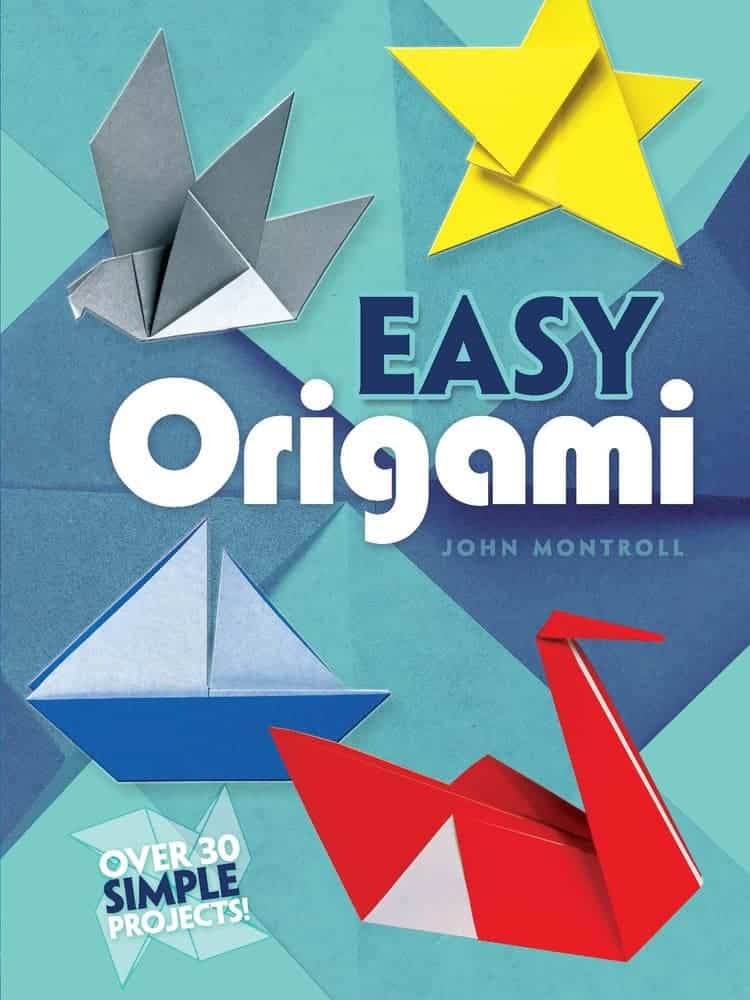
Easy Origami
By John Montroll
Learn the art of origami with easy step-by-step projects designed for beginners.
Did you know? When you buy through Bookshop.org, you’re helping support independent bookstores.
6. Hobbies Can Help Prevent Burnout
Many people spend years focusing almost entirely on being productive.
Work becomes the priority. Personal interests slowly fade away. Free time turns into another opportunity to get things done.
Eventually, exhaustion catches up with you.
A hobby creates a healthy boundary between responsibilities and recreation. It gives your mind permission to switch into a different mode for a while.
Ironically, stepping away from work can often make you more productive when you return. That’s why so many successful people make a point of protecting time for their hobbies.
7. They Give You a Sense of Purpose
Purpose doesn’t always have to come from your career.
Sometimes, it comes from growing tomatoes in your backyard, finishing a puzzle, learning a new language, or completing a handmade project.
Hobbies give you goals to work toward.
You want to improve your painting technique. You want to learn three new guitar chords. You want to finish your latest knitting project.
Those goals may seem small, but they still provide structure and direction.
Having something meaningful to work toward can make everyday life feel much more fulfilling.
RELATED POST: 101 Hobbies to Add to Your Bucket List
8. Hobbies Keep Your Mind Active
Your brain benefits from a good challenge.
Learning new skills encourages your mind to adapt, solve problems, and process information in different ways.
Activities like chess, playing an instrument, coding, reading, and learning a language can help keep your mind active and engaged. Even hobbies that seem simple often involve memory, coordination, concentration, and creativity.
The more you challenge yourself, the more opportunities you give yourself to learn and grow.
If you’re drawn to hobbies that challenge your mind, chess is a classic place to start. The AMEROUS Magnetic Wooden Chess Set (available on Amazon) gives you everything you need to learn the game, practice your strategy, and enjoy it with someone else.
9. They Introduce You to New People
One of the unexpected benefits of having a hobby is the sense of community it can create. Shared interests naturally bring people together.
Book clubs, sports leagues, photography groups, cooking classes, and crafting communities all give you opportunities to meet people who enjoy the same things you do.
Making friends as an adult isn’t always easy. A hobby gives you a natural conversation starter and a chance to build relationships around something you already have in common.
10. Hobbies Encourage Lifelong Learning
Learning doesn’t have to stop when school ends. In fact, many people discover some of their greatest interests later in life.
One of the best things about hobbies is that there’s always something new to learn.
- A gardener experiments with different techniques.
- A photographer learns how to use new equipment.
- A musician masters another song.
The learning process never really ends. And that’s part of what keeps hobbies exciting.
If you’ve ever wanted to learn calligraphy, The Calligraphy Book by Lindsey Bugbee (available on Bookshop.org) is a helpful place to begin. It combines pointed pen techniques with inspiration and projects, giving you something new to work on as your skills develop.
book tip
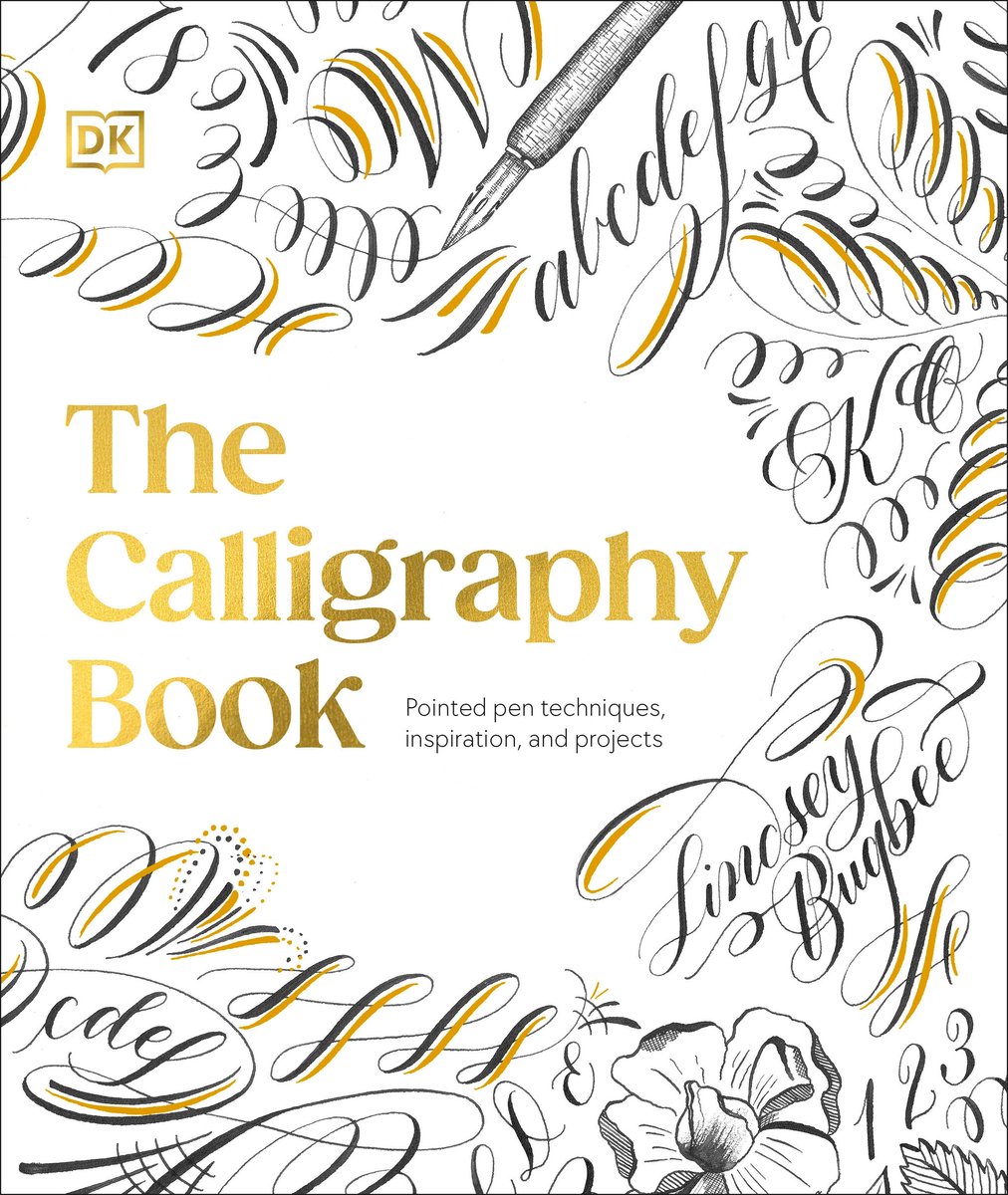
The Calligraphy Book
By Lindsey Bugbee
Learn modern calligraphy and start creating beautiful lettering for cards, invitations, and personal projects
Did you know? When you buy through Bookshop.org, you’re helping support independent bookstores.
RELATED POST: The Best Hobbies to Learn if You Love Trying New Things
11. They Help You Discover Hidden Talents
Have you ever avoided trying something because you assumed you wouldn’t be good at it?
Many people never discover what they’re capable of simply because they don’t give themselves permission to explore.
A hobby gives you a safe, low-pressure way to experiment.
- You might discover that you’re an excellent cook.
- You might realize you have a talent for painting.
- You might uncover a passion for woodworking or jewelry making.
You’ll never know unless you give it a try.
If embroidery is something you’ve always been curious about, the Bradove Classic Embroidery Learning Kit (available on Amazon) makes it easy to give it a try. It’s designed for beginners, so you can explore the hobby without needing to figure out everything you need before you start.
RELATED POST: The Best Hobbies for Beginners Who Want to Try Something New
12. Hobbies Can Strengthen Your Relationships
Shared experiences can create stronger connections.
Whether you’re taking dance lessons with a partner, baking with your children, or joining a local hiking group, hobbies create opportunities to spend meaningful time together.
They also give you interesting stories to share and new experiences to talk about.
Think about some of your favorite memories. There’s a good chance many of them involve activities you enjoyed with other people.
Hobbies don’t just enrich your own life. They can enrich your relationships, too.
13. They Encourage a Healthier Relationship With Technology
Technology is useful, but it can easily take over every spare moment.
Many people spend hours moving between social media apps, videos, emails, and streaming platforms without ever feeling truly refreshed. A hobby gives you another option.
Instead of simply consuming content, you’re creating, learning, building, or exploring. That shift from passive entertainment to active participation can make a real difference in how you spend your free time.
Sometimes, the best way to disconnect from technology is to reconnect with an activity that keeps both your hands and your mind engaged.
14. Hobbies Make Life More Interesting
Routine provides stability, but too much of it can make life feel predictable. Hobbies add variety.
They bring new challenges, experiences, and opportunities for growth into your routine.
Imagine spending every day following the same schedule for years. Now imagine adding photography, painting, gardening, cycling, or baking to that routine.
Even a few hours each week can make life feel richer and more interesting. Small changes often make a bigger difference than we expect.
RELATED POST: Bored at Home? These 25 Hobbies Might Be Exactly What You Need
15. They Bring More Happiness Into Your Life
Perhaps the most important reason to have a hobby is also the simplest:
Hobbies make people happy.
They bring enjoyment, relaxation, excitement, and a sense of fulfillment. And happiness doesn’t always come from major achievements.
Sometimes, you find it in the quiet moments.
- It’s found in finishing a puzzle.
- It’s found in harvesting vegetables from your garden.
- It’s found in learning your favorite song on the guitar.
- It’s found in creating something with your own hands.
Those moments matter.
RELATED POST: 14 Simple Hobbies for Women That Boost Happiness
How to Find a Hobby You’ll Actually Enjoy
If you don’t currently have a hobby, there’s no need to overcomplicate the process.
Start by asking yourself a few simple questions:
- Do you enjoy being active or relaxing?
- Do you prefer spending time alone or with other people?
- Would you rather create something or learn a new skill?
- Do you want an indoor hobby or an outdoor hobby?
Then choose one activity that sounds interesting and give yourself permission to be a beginner.
You don’t need to find the perfect hobby right away. Experiment. Try something unexpected. Explore different activities until something feels right.
You might be surprised by what you discover.
Final Thoughts
The importance of having a hobby goes far beyond simply staying busy.
Hobbies can reduce stress, encourage creativity, strengthen relationships, build confidence, and bring more enjoyment into everyday life.
The best part is that it’s never too late to start. If there’s an activity you’ve been curious about, consider this a good reason to finally give it a try.
Your next favorite hobby might be the one you’ve been putting off all along.
*This article is for informational and educational purposes only and should not be considered a substitute for professional mental health advice. If you are experiencing emotional distress or mental health challenges, please seek guidance from a licensed therapist or mental health professional.
Alaie, Iman et al. “Adolescent depression, early psychiatric comorbidities, and adulthood welfare burden: a 25-year longitudinal cohort study.” Social psychiatry and psychiatric epidemiology vol. 56,11 (2021): 1993-2004. doi:10.1007/s00127-021-02056-2. Adapted and used under the Creative Commons Attribution 4.0 International License.
Atakan, Muhammed Mustafa et al. “The Role of Exercise, Diet, and Cytokines in Preventing Obesity and Improving Adipose Tissue.” Nutrients vol. 13,5 1459. 25 Apr. 2021, doi:10.3390/nu13051459. Adapted and used under the Creative Commons Attribution 4.0 International License.
Belošević, Matea, and Martina Ferić. “Contribution of Leisure Context, Motivation and Experience to the Frequency of Participation in Structured Leisure Activities among Adolescents.” International journal of environmental research and public health vol. 19,2 877. 13 Jan. 2022, doi:10.3390/ijerph19020877. Adapted and used under the Creative Commons Attribution 4.0 International License.
Bone, Jessica K et al. “Engagement in leisure activities and depression in older adults in the United States: Longitudinal evidence from the Health and Retirement Study.” Social science & medicine (1982) vol. 294 (2022): 114703. doi:10.1016/j.socscimed.2022.114703. Adapted and used under the Creative Commons Attribution 4.0 International License.
Fancourt, Daisy et al. “How leisure activities affect health: a narrative review and multi-level theoretical framework of mechanisms of action.” The lancet. Psychiatry vol. 8,4 (2021): 329-339. doi:10.1016/S2215-0366(20)30384-9. Adapted and used under the Creative Commons Attribution 4.0 International License.
Harvey, Juliet A et al. “How Sedentary are Older People? A Systematic Review of the Amount of Sedentary Behavior.” Journal of aging and physical activity vol. 23,3 (2015): 471-87. doi:10.1123/japa.2014-0164.
Li, Zan et al. “Effect of Long Working Hours on Depression and Mental Well-Being among Employees in Shanghai: The Role of Having Leisure Hobbies.” International journal of environmental research and public health vol. 16,24 4980. 7 Dec. 2019, doi:10.3390/ijerph16244980. Adapted and used under the Creative Commons Attribution 4.0 International License.

Malin, co-founder of Courier Mind, is passionate about personal growth and mindset. With a focus on self-discovery and goal-setting, she creates content that inspires confidence, balance, and growth for the mind and spirit.