


What Does It Mean to Be An Empath and How to Cope?
Do you ever feel like you can sense what others are feeling—almost like you’re picking up on their emotions like a sponge?
Maybe being in a crowded room or having an intense conversation leaves you feeling completely drained.
Ever wonder why?
There’s actually a deeper reason why some people feel so deeply connected to the energy of others—sometimes without even trying.
In this article, we’ll explore what it might mean to experience life this way, how to navigate those intense feelings, and how embracing this sensitivity can actually help you thrive in your relationships and personal growth.
Curious?
Let’s dive in!
This post contains affiliate links, which means we may earn a commission if you purchase through our links—at no extra cost to you. As an Amazon Associate we earn from qualifying purchases. We only recommend products we use or trust. Learn more about affiliate marketing or read our full disclosure.
What Is Empathy?
Have you ever felt a lump in your throat while watching a heartbreaking movie? Or teared up when a friend shared their struggles, even though it wasn’t happening to you?
That’s empathy in action.
The word empathy comes from the Greek term “empatheia,” which originally meant “passion” or “physical affection.”
Over time, its meaning has evolved, and today, psychologists define empathy as the ability to recognize, understand, and even share the emotions of others.
Found this helpful? Pin it for later so you can come back anytime.

In simple terms, it’s what allows us to “put ourselves in someone else’s shoes.”
Whether it’s feeling joy when a loved one celebrates a big win or experiencing sadness when a friend is going through a tough time, empathy connects us to others on a deep emotional level.
But here’s something you might not know—not all empathy is the same.
There are different types, and they shape how we relate to the world around us. Let’s dive into them and see how they impact the way we connect.
Understanding the 3 Main Types of Empathy
Empathy isn’t just one-size-fits-all. In fact, there are three distinct types of empathy: cognitive empathy, emotional empathy, and compassionate empathy.
Each one shapes the way we connect with others and respond to their experiences.
Think of it like different “layers” of understanding:
1. Cognitive Empathy
Cognitive empathy is all about understanding someone’s emotions on a logical level. It’s like seeing things from their perspective, without necessarily feeling their emotions yourself.
It’s especially helpful in leadership, problem-solving, or conflict resolution, where you need to stay objective.
However, since it’s more about thinking than feeling, it doesn’t create the same emotional bond as the other types of empathy.
2. Emotional Empathy
Also called affective empathy, this is when you don’t just understand someone’s emotions—you actually feel them too.
If a friend is heartbroken, you might feel a heavy ache in your chest. If they’re ecstatic, you could feel the excitement right along with them.
Emotional empathy allows us to connect with others on a much deeper level.
But for empaths, this can sometimes be overwhelming, especially when we absorb others’ emotions like a sponge. Finding balance here is crucial for setting healthy boundaries.
3. Compassionate Empathy
This one takes things a step further.
Compassionate empathy combines both cognitive and emotional empathy, so you not only understand and feel what someone else is going through—you also feel moved to help.
It’s the most action-oriented type of empathy, pushing you to actively support and assist others in their emotional journey.
For empaths, this type of empathy often shows up more intensely and frequently.
Our heightened sensitivity means we connect with others on a deeper emotional level, offering extra support and understanding.
RELATED POST: 10 Key Signs That Make You an Empath
What Are the Different Types of Empaths?
Now that we have a better understanding of empathy, let’s explore the different types of empaths.
Empaths come in many forms, each with their own unique abilities and sensitivities. By recognizing these different types, we can better understand the emotional experiences that come with being an empath.
Let’s take a closer look at six specific types of empaths:
1. Emotional Empaths
Emotional empaths are incredibly sensitive to the emotions of others.
In fact, they have a unique ability to pick up on and absorb the feelings around them, which can often leave them feeling overwhelmed or drained by those intense emotions.
2. Physical Empaths
Also known as somatic empaths, physical empaths have a heightened sensitivity to physical sensations and energies.
They can feel pain, discomfort, or illness in others as though it were their own. This can be especially challenging, as it impacts their own physical well-being.
3. Intuitive Empaths
Intuitive empaths have a strong sense of inner knowing, which allows them to “read” the emotions, thoughts, and needs of others without needing to be told.
This deep understanding often makes them natural healers and trusted advisors.
4. Animal Empaths
Animal empaths have a deep connection with animals and can sense their energy.
They often feel deeply affected by the well-being of animals and are often drawn to careers or activities that involve working with them.
5. Plant Empaths
Similar to animal empaths, plant empaths have a deep connection with nature and can sense the energy of plants. They may feel the well-being of plants and become distressed when they’re neglected or harmed.
6. Earth Empaths
Earth empaths have a strong bond with the planet and can sense its energy, changes, and needs.
Not only do they feel deeply affected by environmental shifts or natural disasters, they also experience emotional or physical symptoms in response to these events.
I personally relate to all these types of empaths, and each one shapes how I connect with the world.
Whether I’m picking up on people’s emotions, sensing the needs of animals and plants, or feeling the shifts in the Earth’s energy, these experiences influence how I navigate life.
This deep sensitivity isn’t always easy, but it helps me move through the world with more compassion, awareness, and understanding.
What Makes Empaths Unique
What really sets empaths apart is our deep sensitivity and the way we feel emotions so intensely.
We don’t just notice what others are feeling—we absorb it.
Dr. Judith Orloff, a pioneer in the empath movement and bestselling author, has spent her career helping sensitive people thrive. According to her, empaths share a set of core traits that shape how we experience the world.
Here are a few that may sound familiar:
1. Heightened Sensitivity
As empaths, we’re naturally tuned in to emotions, energy, and the environment around us. We pick up on subtle emotional cues, which helps us form deep, meaningful connections.
But that same sensitivity can make chaotic or crowded environments feel overwhelming—sometimes even exhausting.
2. Strong Intuition
Many empaths have a kind of built-in radar for what others are feeling.
This intuitive sense can help us support people on a deep level—but it can also leave us drained if we’re constantly taking in negative energy.
3. Deep Emotional Connections
We don’t just listen—we feel with others. That makes us compassionate friends, partners, and caregivers.
But without regular time to recharge, it’s easy to slip into emotional burnout.
Found this helpful? Pin it for later so you can come back anytime.

4. Emotional Absorption
One of the biggest challenges of being an empath is unintentionally absorbing other people’s emotions.
It can sneak up on us—suddenly, we’re anxious, sad, or overwhelmed, and we don’t know why.
That’s why emotional boundaries and regular self-care aren’t just helpful—they’re essential.
5. Need for Solitude
For empaths, alone time isn’t just a luxury—it’s a lifeline. After absorbing so much energy from others, we need quiet moments to reset and recharge.
Nature, journaling, meditation—whatever helps you reconnect with yourself, make time for it.
6. Challenges With Boundaries
Empaths naturally want to help. We feel the pain of others and instinctively try to ease it.
But without healthy boundaries, we can end up carrying emotional weight that isn’t ours.
Learning to say “no”—without guilt—is a skill we all need.
7. Connection With Nature
Many empaths feel most at peace in natural surroundings.
Whether it’s walking through the woods, sitting by the ocean, or simply feeling the sun on your face, nature has a way of grounding us and helping us release emotional buildup.
RELATED POST: Highly Sensitive, Introvert, or Empath – How to Know?
If you’re looking for tools to navigate life as an empath, I highly recommend Dr. Judith Orloff’s book The Empath’s Survival Guide, (available on Bookshop.org). It’s full of practical strategies for protecting your energy, setting boundaries, and embracing your sensitivity as a strength.
book tip
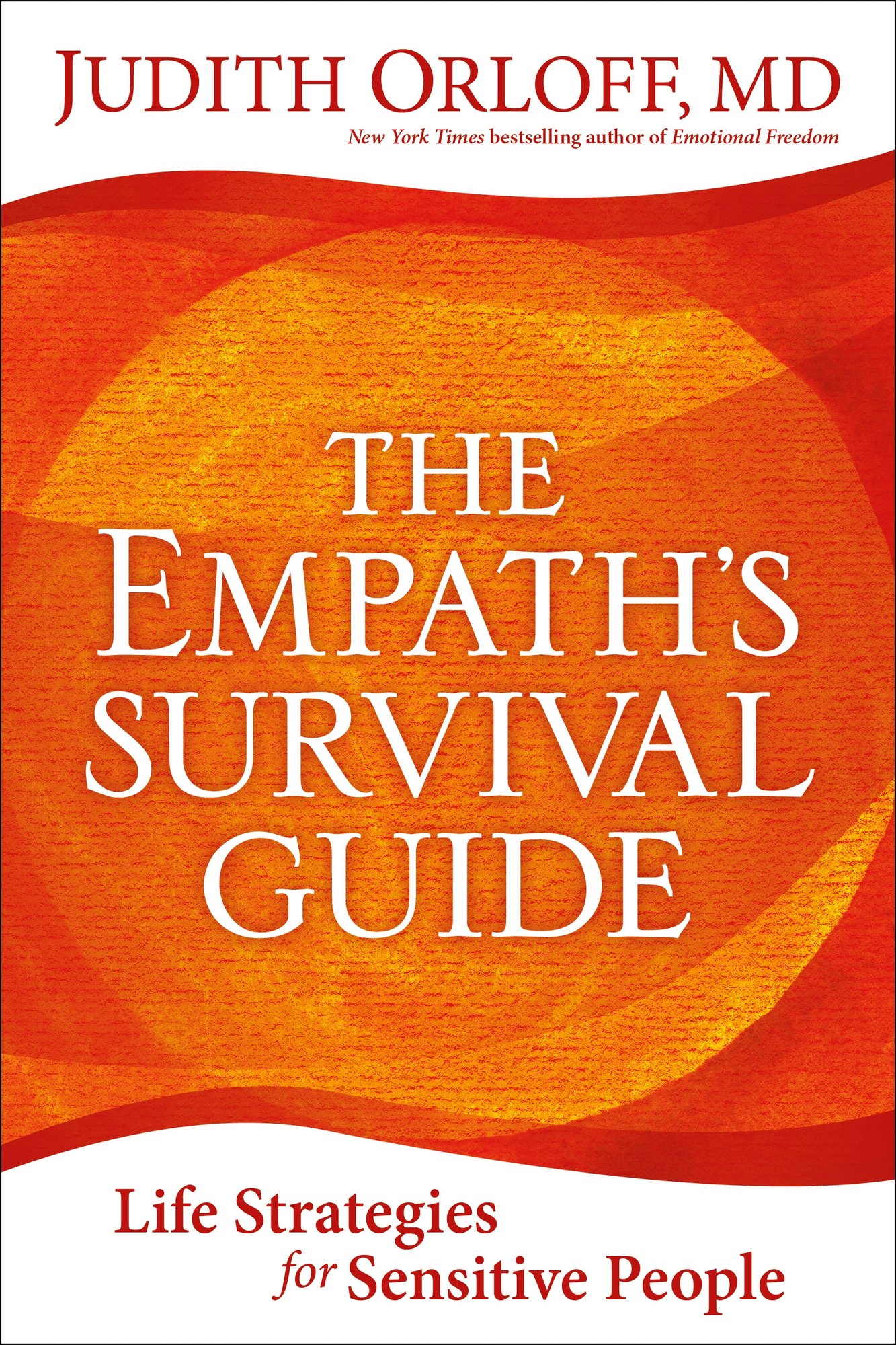
The Empath’s Survival Guide
By Judith Orloff, MD
Do you ever feel drained after being around certain people? Or overwhelmed by emotions that don’t even feel like your own?
Did you know? When you buy through Bookshop.org, you’re helping support independent bookstores.
The Neuroscience of Empathy
Ever wondered why empaths feel emotions so intensely?
The answer lies in the brain.
Let’s take a closer look at what’s happening behind the scenes:
The Role of Mirror Neurons
At the heart of empathy is something called the mirror neuron system—a network in the brain that helps us understand and even feel what others are going through.
When we see someone in pain or joy, our mirror neurons fire as if we’re experiencing that emotion ourselves.
For empaths, this mirroring effect may be even stronger.
That’s what gives us such intense emotional sensitivity and makes our connections with others feel so real—and sometimes overwhelming.
A More Active Emotional Brain
Studies suggest that empaths tend to have a more active emotional processing system.
Certain areas of the brain, especially those linked to emotional regulation and social connection, light up more strongly when we’re tuned into others’ feelings.
This might explain why we absorb energy so easily and feel so affected by what’s happening around us—even when it’s not directed at us personally.
How to Cope and Thrive as an Empath
Being an empath is a gift—but let’s be honest, it can also feel like a lot. The constant flow of emotions, the deep sensitivity, the tendency to absorb everything around you—it can be draining.
The good news?
There are ways to protect your energy and thrive without losing your empathy.
Here are some practical tools that can make a real difference:
1. Set Boundaries
One of the most important skills for an empath is learning to say “no” without guilt. Your emotional well-being matters.
Boundaries help you protect your energy and keep you from becoming emotionally overloaded by other people’s needs.
2. Practice Grounding Techniques
When emotions start to feel like too much, grounding helps bring you back to center.
Consider these practices:
- Deep breathing
- Meditation
- Spending time in nature
Try incorporating these into your daily routine, even for just a few minutes. They act like a reset button for your nervous system.
RELATED POST: How to Overcome Stress and Anxiety With Ancient Practices
3. Develop Emotional Resilience
After intense emotional experiences, it’s common for empaths to feel drained. But the good news is, building emotional resilience can help you recover and stay grounded.
To build resilience, try:
- Seeking therapy or counseling
- Engaging in regular self-care practices
- Developing healthy coping mechanisms
Think of resilience as your inner cushion—it softens the impact of what you take in.
4. Limit Exposure to Negative Stimuli
Negative energy can be especially tough on empaths. That’s why it’s okay—essential, even—to be selective about what and who you allow into your space.
You might want to:
- Avoid certain people who drain your energy
- Limit your consumption of negative media
- Steer clear of emotionally toxic situations
It’s not selfish—it’s self-protection.
5. Cultivate Supportive Relationships
You deserve relationships where your empathy is seen as a strength, not a burden.
Find people who get it—who understand your need for space, who respect your boundaries, and who pour into you the way you pour into others.
Safe, nourishing relationships are everything.
6. Channel Empathy into Positive Outlets
Your deep well of compassion is powerful. When you channel it into something meaningful, it becomes a source of strength rather than a drain.
This might include:
- Volunteering for causes that resonate with you
- Supporting organizations that align with your values
- Using your empathic abilities to help others in need
These activities can provide you with a sense of purpose and fulfillment while helping others at the same time.
The Gifts of Being an Empath
Yes, being an empath can feel overwhelming at times—but it also comes with incredible strengths.
These gifts not only enrich our own lives, but they also create a ripple effect of kindness, understanding, and healing in the world around us.
Here are some of the most powerful gifts empaths bring to the table:
1. Deep Compassion
Empaths are wired for connection. Our ability to truly feel what others are going through allows us to offer unwavering support, empathy, and care.
It’s what makes us the go-to friend, the safe space, the person others can turn to without judgment.
2. Intuition
We often just know things—whether it’s someone’s emotional state, an unspoken tension, or the right path to take.
This deep intuitive insight not only helps us support others but also guides us in making aligned, meaningful decisions in our own lives.
3. Creativity
Empaths tend to have rich inner worlds—and with that often comes powerful creativity. Whether it’s writing, painting, music, or storytelling, we use our emotional depth and lived experiences as fuel for self-expression.
Our art is often healing—for ourselves and others.
4. Healing Abilities
Simply being present with someone in pain can have a calming, healing effect—and that’s something many empaths do instinctively.
Whether through active listening, emotional support, or energy work, we hold space for others in ways that help them feel seen, heard, and soothed.
5. Heightened Awareness
Empaths are incredibly perceptive. We pick up on subtle emotional shifts, body language, and energetic cues that others might miss.
This awareness helps us move through social situations with emotional intelligence and deep understanding of group dynamics.
6. Strong Ethical Sense
Because we’re so attuned to the suffering and needs of others, empaths often develop a powerful sense of justice and fairness.
We’re driven to speak up, stand for what’s right, and be a force for good—whether that’s through advocacy, caregiving, or quiet acts of kindness.
Final Thoughts
Empathy is a powerful gift—it’s what allows us to truly connect, support, and understand one another. And for empaths, that gift runs even deeper.
Living as an empath means experiencing the world through a richly emotional lens.
Whether you’re an emotional empath absorbing the feelings of those around you, or an intuitive empath picking up on unspoken needs, your sensitivity is something to be honored—not hidden.
Yes, it can be overwhelming at times. Boundaries might be hard to hold, and emotional overload is a real thing.
But with self-awareness, grounding practices, and a little self-compassion, being an empath becomes not just manageable—but meaningful.
Because in a world that so often feels disconnected and rushed, your ability to feel deeply, to care fiercely, and to show up with heart truly matters.
So if you’ve ever wondered, “What does empath mean?”—now you know it’s not just about feeling deeply.
It’s about making a difference by being exactly who you are.
Embrace your sensitivity. Own your intuition. And keep showing up—with empathy, with purpose, and with love.
*This article is for informational and educational purposes only and should not be considered a substitute for professional mental health advice. If you are experiencing emotional distress or mental health challenges, please seek guidance from a licensed therapist or mental health professional.
Carr, L., et al. "Neural Mechanisms of Empathy in Humans: A Relay from Neural Systems for Imitation to Limbic Areas." Proceedings of the National Academy of Sciences of the United States of America, vol. 100, no. 9, 2003, pp. 5497-5502. Proceedings of the National Academy of Sciences, https://doi.org/10.1073/pnas.0935845100. (abstract only)
"Empathy." IAHPC Pallipedia, https://pallipedia.org/empathy/. Accessed 15 October 2024.
Jeon, H. and Lee, S. "From Neurons to Social Beings: Short Review of the Mirror Neuron System Research and Its Socio-Psychological and Psychiatric Implications." Clin Psychopharmacol Neurosci 2018;16:18-31, https://doi.org/10.9758/cpn.2018.16.1.18. Adapted and used under the terms of the Creative Commons Attribution-Noncommercial 4.0 International License.
Meneses, R. W., & Larkin, M. (2017). The Experience of Empathy: Intuitive, Sympathetic, and Intellectual Aspects of Social Understanding. Journal of Humanistic Psychology, 57(1), 3-32. https://doi.org/10.1177/0022167815581552.
Orloff, Judith, MD. "The Power of Being an Earth Empath." Psychology Today, 17 April 2017, https://www.psychologytoday.com/intl/blog/the-empaths-survival-guide/201704/the-power-being-earth-empath. Accessed 15 October 2024.
Orloff, Judith, MD. "The Top 10 Traits of an Empath." Drjudithorloff.com, https://drjudithorloff.com/top-10-traits-of-an-empath/. Accessed 15 October 2024.
Powell, Philip A. and Roberts, Jennifer. "Situational determinants of cognitive, affective, and compassionate empathy in naturalistic digital interactions." Computers in Human Behavior, Volume 68, 2017, Pages 137-148, ISSN 0747-5632, https://doi.org/10.1016/j.chb.2016.11.024. Adapted and used under the terms of the Creative Commons Attribution 4.0 International License.
Price, Amy, and Hajira Dambha-Miller. “Empathy as a state beyond feeling: a patient and clinician perspective.” Journal of the Royal Society of Medicine vol. 112,2 (2019): 57-60. doi:10.1177/0141076818790665.
Regan, Sarah. "From Emotional To Intuitive, Here Are 6 Kinds Of Empaths." Mindbodygreen, 29 March 2023, https://www.mindbodygreen.com/articles/6-different-types-of-empaths-and-how-to-know-which-you-could-be. Accessed 15 October 2024.
Thompson, Nicholas M et al. “Cognitive and Affective Empathy Relate Differentially to Emotion Regulation.” Affective science vol. 3,1 (2022): 118-134. doi:10.1007/s42761-021-00062-w. Adapted and used under the terms of the Creative Commons Attribution 4.0 International License.

Malin, co-founder of Courier Mind, is passionate about personal growth and mindset. With a focus on self-discovery and goal-setting, she creates content that inspires confidence, balance, and growth for the mind and spirit.