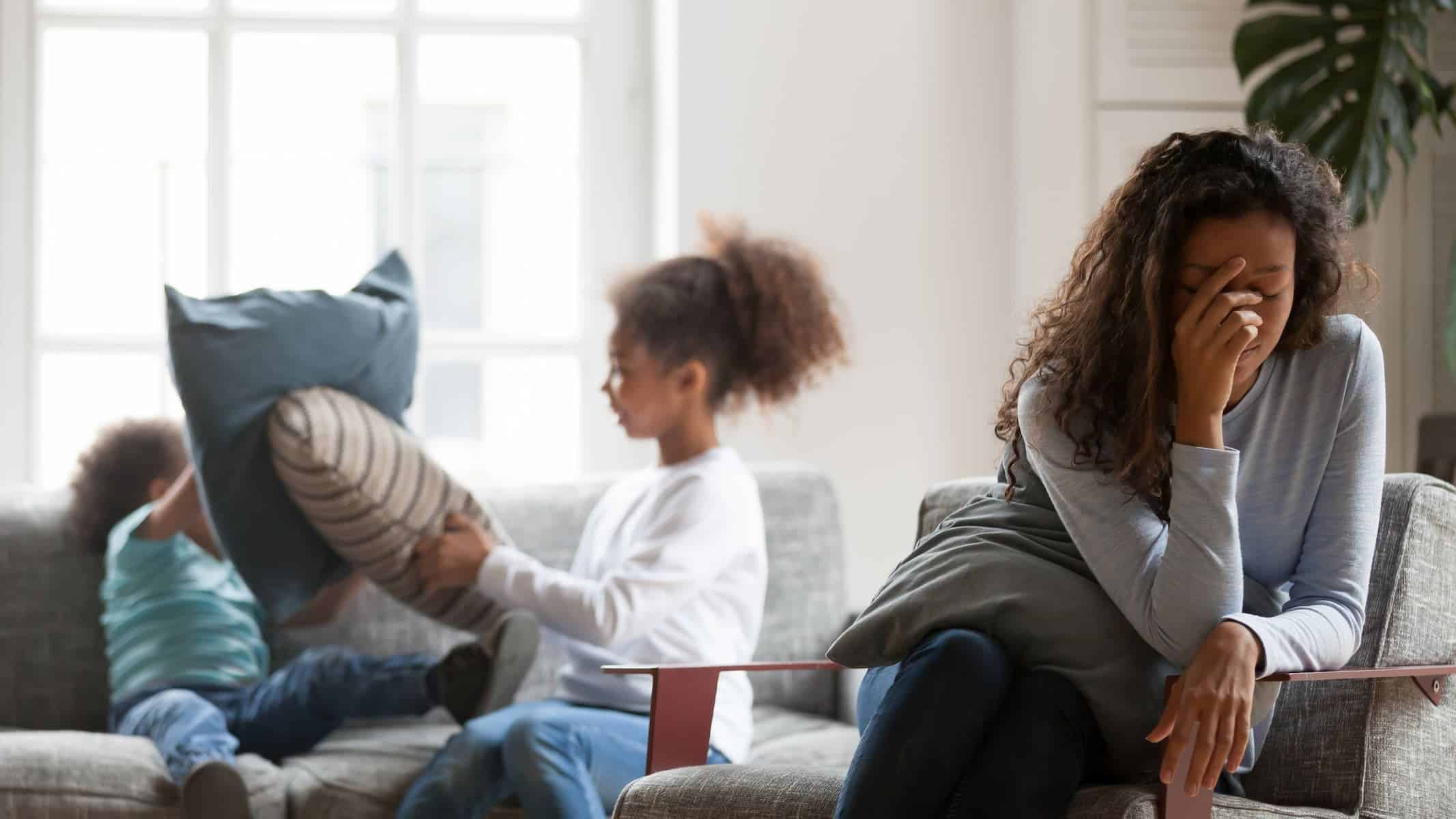
Why Some Highly Sensitive People Choose Not to Have Children
As someone who has chosen not to have children myself, I’ve spent more time thinking about this decision than most people probably realize.
And I certainly didn’t arrive at it overnight.
Like many people, I grew up assuming I’d probably become a parent one day. It seemed like the natural next step in life.
But as I got older—and came to understand myself better as a highly sensitive person—I started to question whether that path was actually right for me.
Before we go any further, I want to make something clear. This article isn’t about whether people should or shouldn’t have children. Nor am I suggesting that highly sensitive people can’t make wonderful parents.
In fact, I think many highly sensitive people become incredibly loving, patient, and attentive parents precisely because they care so deeply.
This article is about something much more specific.
It’s about the reasons some highly sensitive people choose not to have kids and why a child-free life may feel more aligned with who they are.
If that’s a decision you’ve been wrestling with, I hope this article helps you feel a little less alone.
This post contains affiliate links, which means we may earn a commission if you purchase through our links—at no extra cost to you. As an Amazon Associate we earn from qualifying purchases. We only recommend products we use or trust. Learn more about affiliate marketing or read our full disclosure.
The Pressure to Want Children
One thing I’ve noticed is how often people assume that everyone wants children.
Found this helpful? Pin it for later so you can come back anytime.
If you say you’re unsure—or that you’ve decided not to have them—you’ll often hear things like:
- “You’ll change your mind someday.”
- “Who will look after you when you’re older?”
- “You’ll regret it.”
I’ve heard variations of all of these. At first, comments like these made me question myself.
Was I missing something?
Was I making the wrong decision?
Eventually, I realized that many of these questions came from other people’s expectations, not from what I actually wanted.
And that was an important distinction.
Highly Sensitive People Tend to Think Decisions Through Deeply
One thing I appreciate about being highly sensitive is that I rarely make life-changing decisions on impulse.
The downside?
I think about them… a lot. Having children isn’t a decision you can undo. It’s a lifelong commitment.
I think many highly sensitive people naturally spend more time reflecting on what that commitment would mean—not just for themselves, but for the child as well.
For me, that wasn’t fear. It was responsibility.
If you want to understand your sensitivity on a deeper level, The Highly Sensitive Person by Elaine N. Aron (available on Bookshop.org) is a great place to start. It explores how highly sensitive people experience the world and offers practical ways to work with your sensitivity rather than against it.
book tip

The Highly Sensitive Person
By Elaine N. Aron, Ph.D.
Do you often feel overwhelmed by sights, sounds, or emotions that others seem to handle easily?
Did you know? When you buy through Bookshop.org, you’re helping support independent bookstores.
Some HSPs Know They Need More Quiet Than Others
This was one of the hardest things for me to admit.
I genuinely enjoy peace and quiet. I love slow mornings, quiet evenings, and having time to recharge after a busy day.
That doesn’t make me selfish. It’s simply how my nervous system works.
Parenthood, especially in the early years, often comes with near-constant stimulation.
- Noise.
- Interruptions.
- Sleep deprivation.
- Very little time alone.
Found this helpful? Pin it for later so you can come back anytime.
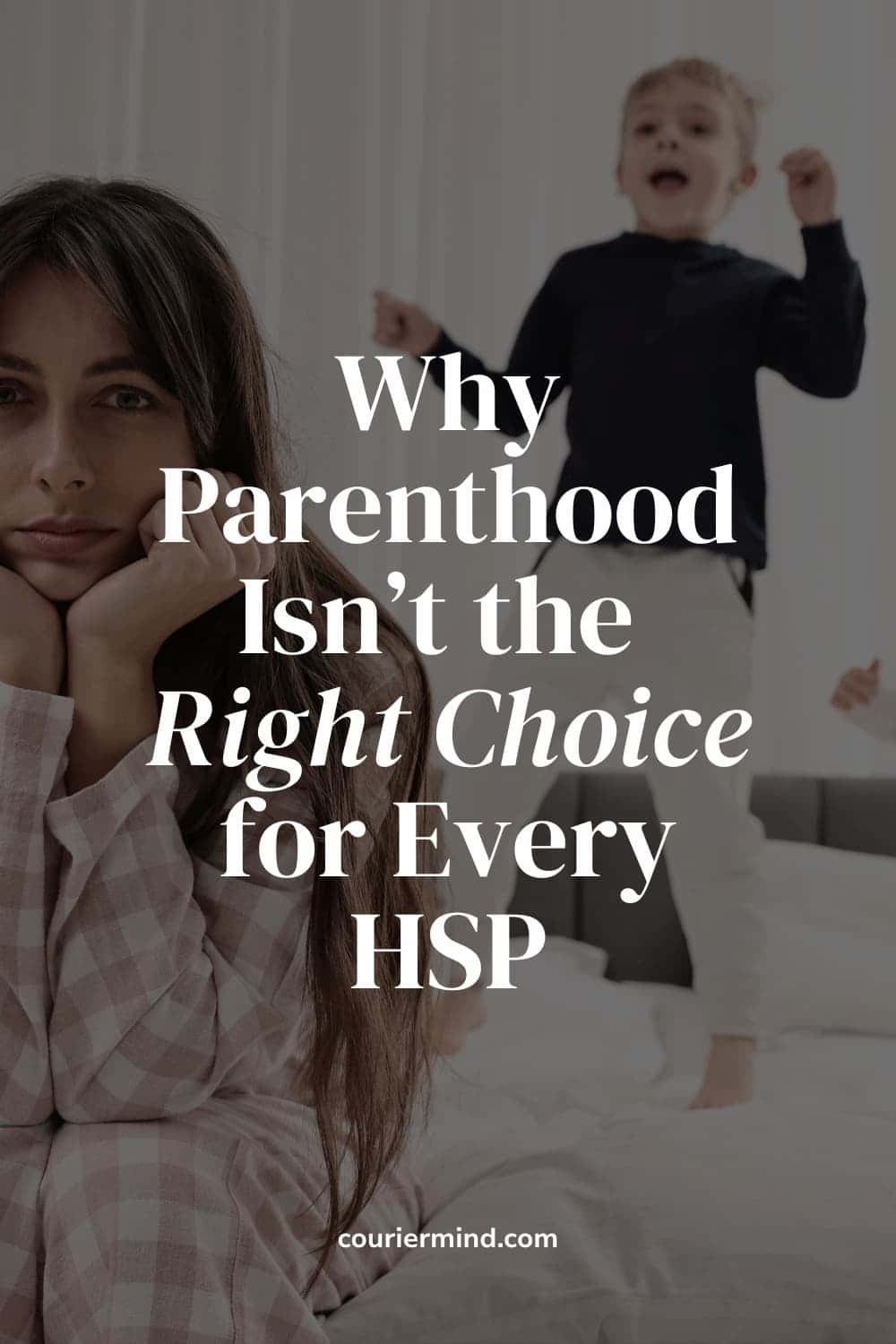
Many highly sensitive parents navigate those demands beautifully. But some of us recognize that they simply don’t match the kind of life in which we function best.
And I don’t think there’s anything wrong with being honest about that.
If you relate to needing more quiet and space to recharge, Quiet by Susan Cain (available on Bookshop.org) is a fascinating read. While introversion and high sensitivity aren’t the same thing, the book offers plenty of insight into why some people thrive with less stimulation and more room to themselves.
book tip

Quiet
By Susan Cain
This book reveals the surprising power of introverts and how they quietly make a big impact in the world.
Did you know? When you buy through Bookshop.org, you’re helping support independent bookstores.
Highly Sensitive People Often Feel Responsibility Deeply
I’ve noticed that highly sensitive people often don’t stop at thinking about whether they want to become parents.
We also think deeply about what kind of parents we’d be.
- Could we provide emotional stability?
- Would we have enough patience?
- Would we unintentionally pass on our own struggles?
- Would we be able to balance caring for ourselves while caring for someone else?
These questions aren’t signs that someone would be a bad parent.
If anything, they often show just how seriously we take the responsibility.
Some HSPs Need More Freedom and Space
One thing I’ve learned about myself is that freedom isn’t about avoiding responsibility. It’s about having space.
- Space to think.
- Create.
- Travel.
- Rest.
- Follow my curiosity.
- Spend time in nature.
- Write.
For me, those things aren’t luxuries. They’re part of what helps me feel like myself.
When I pictured my future, I realized I wanted more of that freedom—not less.
Some HSPs Already Feel Easily Overstimulated
Before I understood high sensitivity, I often blamed myself for becoming overwhelmed. Now I understand that my nervous system simply processes more information.
Adding another constant source of stimulation to my life felt like something I needed to consider honestly.
I don’t believe pretending we’d cope better than we realistically might is a kindness to anyone.
Self-awareness isn’t selfish. It’s responsible.
RELATED POST: 27 Highly Sensitive Person Signs You Shouldn’t Ignore
Some HSPs Question Why They Want Children
Something else I’ve spent a lot of time thinking about is motivation. I don’t think anyone should become a parent simply because everyone else expects them to.
Nor do I think someone should remain child-free simply because they’re afraid.
For me, the question eventually became:
If nobody expected anything from me, what life would I choose?
That question gave me a surprising amount of clarity.
If you’re trying to separate what you genuinely want from what others expect of you, the Dig Deeper Journal from INSIDE THEN OUT (available on Amazon) can give you a place to work through those thoughts. Its guided prompts are designed to encourage deeper self-reflection, which can be especially helpful when you’re facing a big personal decision.
RELATED POST: 12 Things Highly Sensitive People Need to Be Truly Happy
Parenthood Isn’t the Only Meaningful Life
I think this is one of the biggest myths our society still holds onto. Sometimes, it can feel as though there are only two stories.
You become a parent… Or your life somehow remains incomplete.
I don’t believe that’s true.
Meaning comes in many forms.
- Deep friendships.
- Creative work.
- Helping others.
- Mentoring.
- Volunteering.
- Building a loving relationship.
- Traveling.
- Learning.
- Creating.
- Living a life that reflects your values.
Parenthood is one beautiful path. But it’s not the only beautiful path.
Choosing Not to Have Children Doesn’t Mean You Don’t Like Children
I’ve found this assumption surprisingly common. People sometimes assume that if you choose not to have children, you must not like kids.
That’s certainly not true for me.
I enjoy spending time with children. I simply don’t feel the desire to become a parent myself. Those are two completely different things.
RELATED POST: 9 Myths About Highly Sensitive People You May Still Believe
Every Highly Sensitive Person Is Different
This is probably the most important point in the entire article.
Being highly sensitive doesn’t determine whether you’ll want children. Some HSPs dream of becoming parents from a young age.
Others never feel that pull.
Some become amazing parents because their empathy, patience, and emotional awareness help them build incredibly close relationships with their children.
Others recognize that they’ll live happier, healthier, and more authentic lives without becoming parents.
Neither choice is more “highly sensitive” than the other. They’re simply different expressions of understanding yourself.
If you’d like to explore what high sensitivity looks like specifically for you, The Highly Sensitive Person’s Workbook by Elaine N. Aron (available on Amazon) is a helpful companion. It takes the ideas around high sensitivity further with exercises designed to help you better understand your own experiences and needs.
I’ve Learned That It’s Okay to Trust Myself
For a long time, I worried about making the “wrong” decision. But eventually, I realized there isn’t one universally correct answer.
There’s only the answer that’s right for your life.
As someone who’s chosen not to have children, I’ve reached a place where I genuinely feel at peace with that decision.
Not because I think parenthood isn’t wonderful. But because I’ve stopped comparing my life to someone else’s version of happiness.
The older I get, the more I believe that living authentically is far kinder—to ourselves and to the people around us—than trying to meet expectations that never truly belonged to us.
If you struggle with second-guessing yourself or judging your choices too harshly, Self-Compassion by Kristin Neff (available on Bookshop.org) is well worth reading. It explores how to respond to yourself with greater kindness instead of getting caught in self-criticism and comparison.
book tip

Self-Compassion
By Dr. Kristin Neff
Ever notice how harshly we can treat ourselves — and wonder if it’s holding us back?
Did you know? When you buy through Bookshop.org, you’re helping support independent bookstores.
Final Thoughts
One of the biggest gifts that came from understanding that I’m a highly sensitive person was learning to stop judging myself so harshly.
Instead of asking:
Why am I different?
I started asking:
What kind of life genuinely suits me?
That question has guided me through many decisions—including my decision not to have children.
Will everyone understand it?
Probably not. And that’s okay. I’ve learned that not every meaningful life choice needs universal approval.
If you’re a highly sensitive person questioning whether parenthood is right for you, I’d encourage you to give yourself permission to answer that question honestly.
- Not based on pressure.
- Not based on fear.
- Not based on what everyone else expects.
But based on the life you genuinely want to build.
Because whether you choose to become a parent or choose a child-free life, what matters most is that the decision reflects your values, your dreams, and the person you truly are.
For me, that’s been one of the most freeing realizations of all.
*This article is for informational and educational purposes only and should not be considered a substitute for professional mental health advice. If you are experiencing emotional distress or mental health challenges, please seek guidance from a licensed therapist or mental health professional.
"Caring for Your Mental Health." National Institute of Mental Health, last reviewed February 2024, https://www.nimh.nih.gov/health/topics/caring-for-your-mental-health. Accessed 9 August 2024.
Linda is the co-founder of Courier Mind and holds a Diploma in Natural Health Nutrition & Diet. Her passions include photography, personal growth, and travel, where she draws inspiration from diverse cultures and their approaches to mindset and self-discovery. She is committed to helping others set meaningful goals, overcome self-doubt, and become the best version of themselves.