


The Benefits of Being a Highly Sensitive Person No One Talks About
If someone had asked me years ago what it meant to be a highly sensitive person, I probably would have listed all the hard parts.
- Getting overwhelmed easily.
- Taking criticism personally.
- Overthinking.
- Needing more downtime than everyone else.
- Feeling emotionally exhausted after busy days.
Back then, that’s all I could see.
I spent so many years trying to become less sensitive that I completely missed something important:
My sensitivity wasn’t just making life harder. It was also making life richer.
I didn’t realize that all at once. It happened gradually, as I stopped seeing my sensitivity as a problem I needed to fix.
Now, when I look back, I can honestly say there are parts of being highly sensitive that I wouldn’t want to lose.
Yes, there are challenges. But there are also real strengths and highly sensitive person benefits that rarely get talked about.
Here are some of the benefits I’ve discovered along the way.
This post contains affiliate links, which means we may earn a commission if you purchase through our links—at no extra cost to you. As an Amazon Associate we earn from qualifying purchases. We only recommend products we use or trust. Learn more about affiliate marketing or read our full disclosure.
What Does It Mean to Be a Highly Sensitive Person?
The term highly sensitive person (HSP) was introduced by psychologist Dr. Elaine Aron to describe people who tend to process experiences more deeply and are especially sensitive to things like emotions, subtle changes, and their surroundings.
Found this helpful? Pin it for later so you can come back anytime.

Being highly sensitive isn’t a flaw or something that needs to be fixed.
It’s a trait that can come with challenges, such as feeling overwhelmed more easily, but it can also bring some wonderful strengths.
If you want to understand what it really means to be highly sensitive, The Highly Sensitive Person by Dr. Elaine Aron (available on Bookshop.org) is a great place to start. It explores the trait in much more depth and can help you better understand the way you experience and respond to the world around you.
book tip

The Highly Sensitive Person
By Elaine N. Aron, Ph.D.
Do you often feel overwhelmed by sights, sounds, or emotions that others seem to handle easily?
Did you know? When you buy through Bookshop.org, you’re helping support independent bookstores.
Now, let’s look at the highly sensitive person benefits that don’t get talked about nearly enough.
1. You Notice Beauty Everywhere
This might be my favorite part of being highly sensitive.
I’ve always been moved by the little things that other people seem to walk right past.
- The golden light just before sunset.
- Rain tapping against the window.
- A beautiful piece of music.
- The smell of fresh coffee in the morning.
- A meaningful conversation.
These moments don’t just make me smile. I genuinely feel them.
For a long time, I assumed everyone experienced beauty this intensely. Now I realize it’s one of the gifts my sensitivity has given me.
RELATED POST: 12 Things Highly Sensitive People Need to Be Truly Happy
2. You Build Deep Relationships
I’ve never been someone who enjoys collecting acquaintances. I’ve always preferred a few meaningful relationships over dozens of surface-level ones.
Being highly sensitive has taught me to listen carefully, notice the little things, and genuinely care about how other people are feeling.
I think that’s one of the reasons so many HSPs form such deep friendships. We don’t just hear people. We try to understand them.
3. You Pick Up on Subtle Patterns
I still find this one fascinating. There have been so many times when I’ve had a feeling that something wasn’t quite right.
Not because I could explain why. But because I’d picked up on dozens of tiny details without consciously realizing it.
Sometimes people call it intuition. Sometimes it’s simply deep observation. Either way, highly sensitive people often pick up on subtle patterns that others miss.
That doesn’t mean we’re always right. But I’ve learned not to dismiss those instincts anymore.
RELATED POST: 13 Things That Secretly Trigger Highly Sensitive People
4. You Appreciate the Little Things
One thing I’ve realized over the years is that happiness doesn’t always come from big achievements.
Some of my favorite moments are incredibly ordinary.
- Reading a book on a rainy afternoon.
- Watching birds in the garden.
- Cooking dinner with someone I love.
- Walking through a forest.
These moments might not seem exciting by everyone else’s standards. But to me, they’re deeply satisfying.
RELATED POST: Could You Be a Highly Sensitive Introvert? These Clues Say Yes
5. You Can Be Deeply Empathetic
Empathy is one of the qualities I value most about my own sensitivity.
When someone I care about is struggling, I often pick up on the little things—the change in their tone, their expression, or the feeling that something isn’t quite right.
Of course, being highly sensitive doesn’t automatically make someone an empath. Every HSP is different.
But the tendency to notice subtle cues and process experiences deeply can make it easier to recognize what someone else may be going through.
Found this helpful? Pin it for later so you can come back anytime.
I’ve also had to learn the importance of healthy boundaries. Caring about someone doesn’t mean carrying their problems as your own.
For me, though, that ability to notice, listen, and connect deeply with people is something I wouldn’t want to lose.
6. You Think Before You Act
Sometimes I joke that I probably think too much. And honestly, there’s some truth to that.
But thinking deeply also has its advantages.
- I’m less likely to make impulsive decisions.
- I tend to consider different perspectives before I react.
- I enjoy learning, reflecting, and understanding why things happen.
Yes, overthinking can become a problem.
But thoughtful decision-making is one of the strengths that often comes with being highly sensitive.
RELATED POST: The Mistake Highly Sensitive People Make That Fuels Imposter Syndrome
7. You Notice Details Other People Miss
Whether it’s a small change in someone’s mood, a typo in a document, or a subtle shift in the atmosphere of a room, highly sensitive people often notice details that others overlook.
For years, I assumed everyone paid attention to these things.
Now I realize it’s one of the reasons many HSPs thrive in creative, caring, and detail-oriented careers.
RELATED POST: 15 Best and Worst Jobs for Highly Sensitive People
8. Your Sensitivity Can Fuel Creativity
I don’t think it’s a coincidence that so many writers, artists, musicians, and creative thinkers are highly sensitive.
When you experience the world deeply, you naturally have more to draw from.
Creativity isn’t just about making art.
- It’s about seeing possibilities.
- Making connections.
- Imagining different ways of doing things.
That’s something I’ve grown to appreciate about myself.
RELATED POST: 7 Signs You’re Both Highly Sensitive and a High Sensation Seeker
9. You Value Authenticity
One thing I’ve become less willing to tolerate as I’ve gotten older is pretending.
- Pretending everything is fine.
- Pretending to enjoy conversations that feel empty.
- Pretending to be someone I’m not.
I’ve realized that highly sensitive people often crave authenticity because superficial interactions can be surprisingly draining.
I’d much rather have one honest conversation than ten shallow ones.
RELATED POST: 24 Signs You’re a Highly Sensitive Extrovert—and How to Thrive
10. You Learn From Your Experiences
Sometimes I wish I didn’t analyze life quite so much. But I’ve also realized that reflecting on my experiences helps me grow.
When something difficult happens, I don’t just move on. I ask questions.
- What can I learn?
- What would I do differently?
- What does this experience teach me?
That habit has helped me become more self-aware over the years.
RELATED POST: How to Deal With Criticism as a Highly Sensitive Person
11. You Feel Gratitude Deeply
One of the unexpected gifts of being highly sensitive is that joy can feel just as intense as sadness.
When something good happens, I don’t simply notice it. I really appreciate it.
- A thoughtful message.
- A beautiful view.
- A quiet morning.
- A kind stranger.
Those moments stay with me.
They remind me that sensitivity isn’t only about feeling pain more deeply. It’s also about feeling happiness more deeply.
If you’d like to make more space for those small moments of appreciation, Gratitude: A Day and Night Reflection Journal by Insight Editions (available on Bookshop.org) gives you a simple place to notice and record them. The guided prompts make it easy to turn gratitude into a regular habit without it feeling like another thing on your to-do list.
daily gratitude
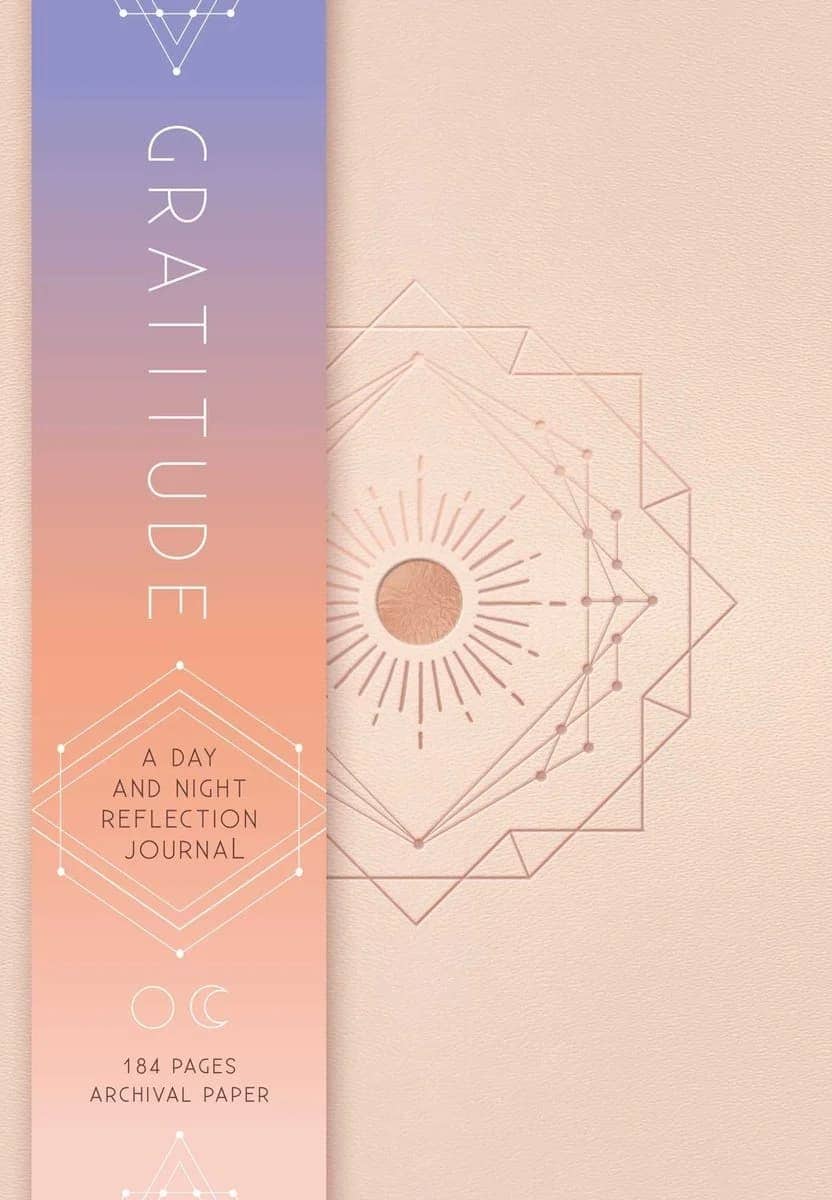
Gratitude Journal by Insight Editions
Boost your mood and mindset with a simple daily habit of gratitude and reflection.
Did you know? By buying from Bookshop.org, you help support independent bookstores.
12. You Create Safe Spaces for Other People
I’ve noticed that people often open up to highly sensitive individuals.
- Maybe it’s because we genuinely listen.
- Maybe it’s because we don’t rush to judge.
- Maybe it’s because people feel understood.
Whatever the reason, I’ve always considered it an incredible privilege when someone trusts me enough to share what’s on their heart.
In a world where everyone seems to be talking, being someone who truly listens is a rare gift.
13. You Look for Deeper Meaning
I’ve never been motivated by status alone. Or money alone. Or success for the sake of success.
I’ve always wanted my work—and my life—to mean something.
Many highly sensitive people seem to feel the same way. We don’t just want to stay busy. We want our lives to align with our values.
That search for meaning has shaped so many of the decisions I’ve made.
RELATED POST: Why Some Highly Sensitive People Choose Not to Have Children
The Challenges Are Real—But They’re Not the Whole Story
I don’t want to pretend that being highly sensitive is always easy.
It isn’t.
- I still get overwhelmed.
- I still need more rest than many people around me.
- I still overthink things sometimes.
But I’ve noticed something interesting.
When I focused only on the challenges, I started to believe my sensitivity was something I needed to overcome. When I started recognizing the strengths too, everything changed.
I stopped asking:
How can I become less sensitive?
And started asking:
How can I build a life that allows these strengths to shine?
That question has led me toward healthier relationships, more meaningful work, and a much greater sense of peace.
RELATED POST: The Success Challenges Most Highly Sensitive People Don’t See Coming
I Stopped Comparing Myself to Everyone Else
One of the biggest turning points in my life came when I realized I wasn’t supposed to experience the world exactly like everyone else.
For years, I compared myself to people who seemed unaffected by noise, stress, criticism, or busy schedules.
I thought they were doing life “correctly.” Now I understand that we simply have different nervous systems.
Neither is better. Neither is worse. They’re just different. Once I accepted that, I stopped fighting myself quite so much.
If you’re trying to stop being so hard on yourself, Self-Compassion by Dr. Kristin Neff (available on Bookshop.org) is a thoughtful read. It explores how to treat yourself with the same kindness and understanding you probably find much easier to offer other people.
book tip

Self-Compassion
By Dr. Kristin Neff
Ever notice how harshly we can treat ourselves — and wonder if it’s holding us back?
Did you know? When you buy through Bookshop.org, you’re helping support independent bookstores.
RELATED POST: 9 Myths About Highly Sensitive People You May Still Believe
Your Sensitivity Is Part of Your Strength
If you’re reading this because you’ve spent years wishing you were less sensitive, I completely understand.
I’ve been there.
But I’d encourage you to think about this:
- Would you really want to lose your empathy?
- Your appreciation for beauty?
- Your creativity?
- Your ability to connect deeply with people?
- Your thoughtfulness?
I know I wouldn’t. Those qualities have shaped who I am.
Yes, they’ve also come with challenges. But I no longer see the two as separate.
The same sensitivity that sometimes leaves me overwhelmed is also what allows me to experience life so fully.
If you’re working on accepting your sensitive nature instead of constantly fighting it, Radical Acceptance by Tara Brach (available on Bookshop.org) is a beautiful book to explore. It’s especially helpful for learning how to meet yourself with more compassion rather than always feeling that you need to change.
book tip

Radical Acceptance
By Tara Brach
In the busyness of everyday life, it’s easy to forget the present moment. This book is a gentle reminder to slow down and truly live.
Did you know? When you buy through Bookshop.org, you’re helping support independent bookstores.
RELATED POST: How Highly Sensitive People Can Thrive in an Insensitive World
Final Thoughts
For a long time, I only saw the difficult side of being highly sensitive. Now I see the whole picture.
I see the challenges. But I also see the gifts.
I’ve learned that sensitivity isn’t simply about feeling more pain. It’s about experiencing more of life.
- More beauty.
- More connection.
- More compassion.
- More gratitude.
- More meaning.
If you’re a highly sensitive person, I hope you remember that your sensitivity isn’t something you need to hide or apologize for.
The world often celebrates people who move quickly, stay busy, and never seem affected by anything.
But it also desperately needs people who notice the details.
- Who care deeply.
- Who listen well.
- Who create beauty.
- Who lead with kindness.
People like you.
And while I still have days when being highly sensitive feels challenging, I wouldn’t trade this part of myself anymore.
Because I’ve finally realized that many of the qualities I value most about who I am exist because of my sensitivity—not in spite of it.
*This article is for informational and educational purposes only and should not be considered a substitute for professional mental health advice. If you are experiencing emotional distress or mental health challenges, please seek guidance from a licensed therapist or mental health professional.
Aron, Elaine, Ph.D. "Author's Note." The Highly Sensitive Person, 2012, https://hsperson.com/pdf/Authors_note_HSPbk_Preface.pdf.
Greven, C. U. et al. “Sensory Processing Sensitivity in the context of Environmental Sensitivity: A critical review and development of research agenda.” Neuroscience & Biobehavioral Reviews, 98, 287-305, 2019, https://doi.org/10.1016/j.neubiorev.2019.01.009 Adapted from and used under the terms of the Creative Commons Attribution 4.0 International License.
Rajmohan, V, and E Mohandas. “The limbic system.” Indian journal of psychiatry vol. 49,2 (2007): 132-9. doi:10.4103/0019-5545.33264. Adapted from and used under the terms of the Creative Commons Attribution 4.0 International License.
Schmitt, A. "Sensory Processing Sensitivity as a Predictor of Proactive Work Behavior and a Moderator of the Job Complexity–Proactive Work Behavior Relationship." Frontiers in Psychology, vol. 13, 2022, Article 859006. doi: 10.3389/fpsyg.2022.859006. Adapted from and used under the terms of the Creative Commons Attribution 4.0 International License.

Malin, co-founder of Courier Mind, is passionate about personal growth and mindset. With a focus on self-discovery and goal-setting, she creates content that inspires confidence, balance, and growth for the mind and spirit.