Why Are Traditional Creative Hobbies Making a Comeback?

This post contains affiliate links, which means we may earn a commission if you purchase through our links—at no extra cost to you. As an Amazon Associate we earn from qualifying purchases. We only recommend products we use or trust. Learn more about affiliate marketing or read our full disclosure.
Something interesting has been happening in recent years. Activities that were once seen as old-fashioned are becoming popular again.
Painting classes are filling up. Knitting communities are growing. Pottery studios are seeing more interest. Sewing, embroidery, crocheting, and other handmade crafts are showing up everywhere, from social media feeds to local workshops.
At first, this comeback might seem surprising.
After all, we live in a world filled with streaming platforms, video games, artificial intelligence, and seemingly endless forms of digital entertainment.
With so many modern distractions competing for our attention, why are people returning to creative hobbies that have been around for generations?
The answer is more complex than it might seem. Traditional creative hobbies offer something that many modern forms of entertainment simply don’t.
They give you a chance to create something with your own hands while enjoying a sense of connection, accomplishment, and relaxation that can be hard to find elsewhere.
If you’ve found yourself wondering why traditional creative hobbies are making such a strong comeback, you’re certainly not alone.
Let’s take a closer look.
People Are Tired of Spending So Much Time on Screens
For many people, the day begins and ends with a screen.
- We work on computers.
- We answer messages on our phones.
- We scroll through social media.
- We watch videos.
- We stream television.
Technology makes many parts of life easier, but it also creates a problem.
Too much screen time can leave us feeling mentally drained.
Have you ever spent an entire evening switching between apps and videos, only to realize you don’t feel particularly refreshed afterward?
I know I have.
Traditional hobbies offer a welcome alternative. Instead of simply consuming information, you’re creating something. Instead of watching someone else paint, you’re the one holding the paintbrush.
That shift from passive entertainment to active participation is one of the biggest reasons people are rediscovering traditional creative hobbies.
RELATED POST: Bored at Home? These 25 Hobbies Might Be Exactly What You Need
Painting Offers a Creative Escape
Painting has become one of the most popular traditional hobbies for good reason. It encourages creativity without demanding perfection.
Many beginners assume they aren’t artistic enough to paint. But painting isn’t about creating museum-worthy artwork. It’s about the experience.
Mixing colors, trying different techniques, and watching an image gradually take shape can be surprisingly relaxing. Watercolors, acrylics, and paint-by-number kits have also made painting more accessible than ever.
There’s something especially satisfying about creating a physical piece of art in a world where so much of what we do exists only on screens.
Perhaps that’s why painting classes continue to attract beginners of all ages.
People aren’t necessarily looking for artistic recognition. They’re looking for a creative outlet.
If you’d like to give painting a try, the koseibal Acrylic Paint Set (available on Amazon) is a beginner-friendly way to get started with a range of colors in one set. It’s a simple option if you want to experiment with acrylics without buying your supplies individually.
RELATED POST: The Best Hobbies for Beginners Who Want to Try Something New
Handmade Projects Create a Sense of Accomplishment
Many traditional hobbies leave you with something tangible.
- A knitted scarf.
- A hand-painted canvas.
- A handmade candle.
- A sewn pillow.
- A finished pottery bowl.
That sense of accomplishment can be powerful.
Modern life often revolves around digital tasks that disappear almost as soon as they’re completed. You answer an email, and another one arrives right away. You finish one project, and another quickly takes its place.
Creative hobbies offer a different kind of experience.
- You can see your progress.
- You can hold it in your hands.
- You can display it on a shelf.
Those physical results can create a deeper sense of satisfaction. And that’s something many people find incredibly rewarding.
RELATED POST: 14 Simple Hobbies for Women That Boost Happiness
Traditional Hobbies Encourage Mindfulness
Mindfulness has become a popular topic in recent years. Many people are actively looking for ways to slow down, reduce stress, and become more present.
Traditional hobbies naturally support those goals.
Think about activities such as:
- Painting
- Knitting
- Embroidery
- Pottery
- Woodworking
- Gardening
These hobbies require concentration. Your attention shifts to the task in front of you. For a little while, your worries can feel less important.
Many hobbyists describe this as becoming completely absorbed in what they’re doing. Time seems to move differently. Hours can pass without you noticing.
Psychologists often refer to this state as “flow.” And traditional creative hobbies can be particularly effective at helping you reach it.
If you’re looking for a simple creative activity that doesn’t require much preparation, 100 Amazing Patterns by Jade Summer (available on Amazon) offers a collection of patterns you can color at your own pace. It’s an easy way to spend some quiet time focusing on one thing rather than another screen.
People Want to Learn Practical Skills Again
There was a time when many traditional skills were passed from one generation to the next.
People learned how to sew, repair household items, bake bread, preserve food, and make things by hand. Over time, many of these skills became less common.
Convenience replaced craftsmanship. Mass production replaced handmade goods.

But recently, there has been a noticeable shift.
- People want to understand how things are made.
- They want to develop practical skills.
- They want to create rather than simply buy.
Traditional hobbies satisfy that desire. Learning to sew a simple tote bag or bake a loaf of bread can create a sense of independence that’s hard to ignore.
RELATED POST: The Best Hobbies to Learn if You Love Trying New Things
Social Media Is Surprisingly Helping Traditional Hobbies Grow
At first, that might sound contradictory. After all, excessive social media use is one reason many people turn to creative hobbies in the first place.
But social media has also introduced millions of people to activities they might never have discovered otherwise.
- Painting tutorials.
- Pottery videos.
- Crocheting demonstrations.
- Woodworking projects.
These short videos can make traditional hobbies feel much more approachable.
Instead of seeing these activities as difficult or outdated, beginners can watch someone complete a project step by step.
Communities have also become easier to find. People who once learned hobbies through local classes can now connect with enthusiasts from around the world.
In many ways, modern technology is helping to preserve traditional skills.
Traditional Hobbies Encourage Creativity Without Pressure
Many areas of life come with expectations.
- Work involves performance.
- School involves grades.
- Even exercise often revolves around measurable goals.
Creative hobbies are different. There isn’t always a right answer.
You can experiment with colors. You can try different techniques. You can make mistakes. That freedom can be incredibly valuable.
Painting is a great example. Two people can sit beside each other, use the same supplies, and create completely different pieces of art.
Traditional hobbies encourage exploration rather than evaluation. And that’s one of the reasons they’re so enjoyable.
If you like the idea of creating without worrying too much about rules, Extraordinary Things to Cut Out and Collage by Maria Rivans (available on Bookshop.org) gives you plenty of material to experiment with. It’s a fun way to explore collage and see what you can create simply by playing with different combinations.
Create & Collage
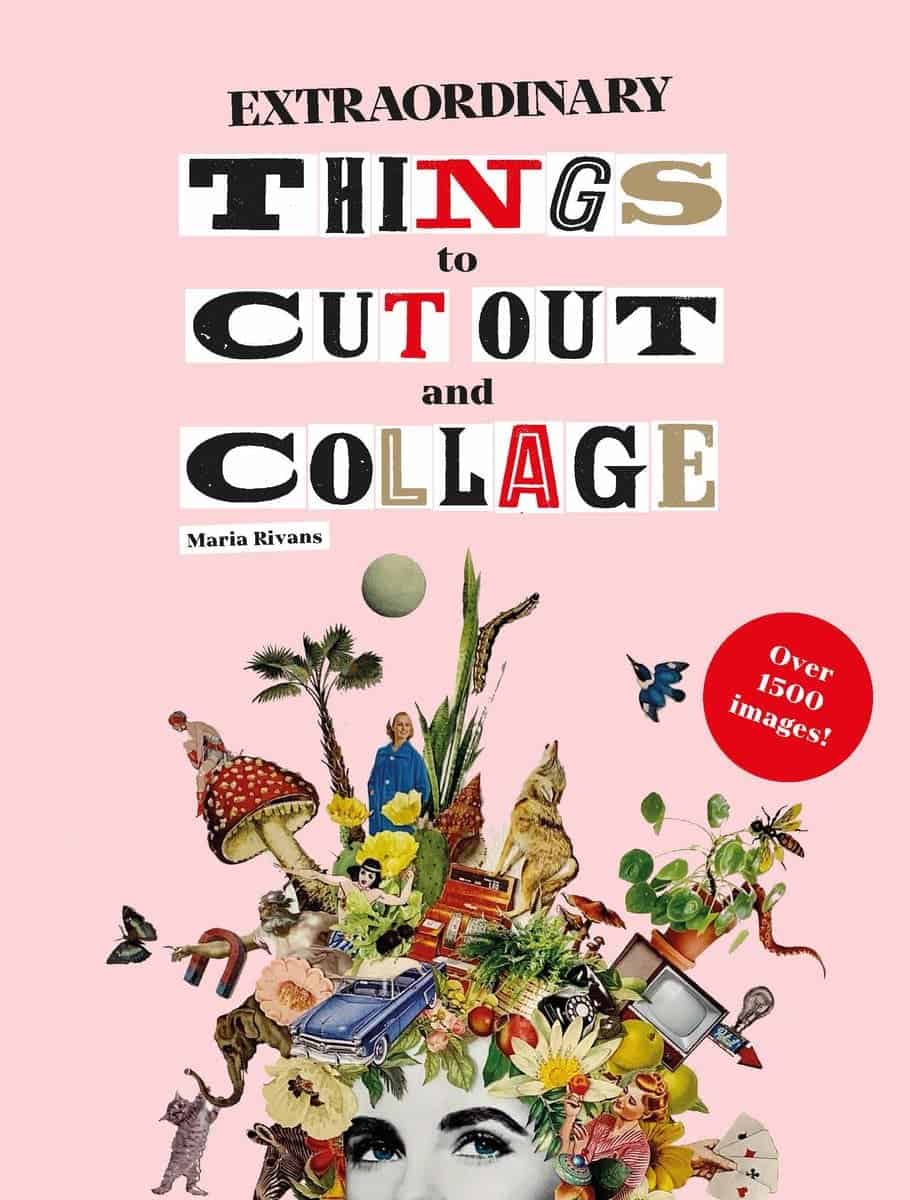
Extraordinary Things to Cut Out and Collage by Maria Rivans
Unleash your creativity with this fun collage book packed with unique cut-outs for endless DIY projects.
Did you know? By buying from Bookshop.org, you help support independent bookstores.
Traditional Hobbies Bring People Together
Traditional hobbies have always brought people together.
- Quilting circles.
- Book clubs.
- Pottery workshops.
- Crafting groups.
- Community gardens.
Shared interests create natural opportunities for connection. And that’s becoming increasingly important.
Many adults find it difficult to build new friendships. Traditional hobbies can offer a natural way to meet people.
You already have something in common. Conversations can develop more naturally. Friendships can form more easily.
Interestingly, many people start a hobby because they want to learn a new skill but continue because of the relationships they build along the way.
Nostalgia Is Part of the Appeal
Nostalgia has a powerful influence on human behavior. Traditional hobbies often remind people of meaningful experiences from the past.
Perhaps your grandmother taught you how to knit. Maybe you remember painting with watercolors as a child. Maybe your family spent summers gardening together.
Those memories can create strong emotional connections. Returning to familiar activities can feel comforting. At the same time, younger generations are discovering these hobbies for the first time.
What’s nostalgic for one person can feel completely new to another. That combination of tradition and discovery makes these activities especially appealing.
Traditional Hobbies Support Mental Well-Being
Conversations about mental health have become much more common. People are paying closer attention to stress, burnout, anxiety, and emotional well-being.
As a result, many are looking for healthier ways to spend their free time.
Traditional creative hobbies offer several benefits:
- They encourage mindfulness.
- They reduce boredom.
- They stimulate creativity.
- They provide a sense of accomplishment.
- They promote lifelong learning.
Of course, hobbies aren’t a substitute for professional care when it’s needed. However, they can still be an important part of a balanced lifestyle.
Sometimes something as simple as spending an hour painting can make a noticeable difference to your mood.
Which Traditional Creative Hobbies Are Worth Trying?
If you’re curious about trying a traditional hobby, here are a few beginner-friendly options:
1. Painting
Painting remains one of the most accessible creative hobbies. Watercolors and acrylic paints are both excellent places to start.
You only need a few basic supplies to begin, and there are plenty of simple projects designed for beginners. As your confidence grows, you can experiment with different brushes, techniques, subjects, and styles.
2. Knitting and Crocheting
These hobbies combine creativity with repetitive movements that many people find relaxing. Beginners can start with simple projects such as scarves, dishcloths, or basic squares while learning the essential stitches.
Once you’ve mastered the basics, you can move on to more ambitious projects such as blankets, hats, sweaters, and decorative pieces.
3. Pottery
Working with clay encourages patience while giving you the chance to create beautiful handmade objects. Beginners can learn basic techniques such as shaping, coiling, and working on a pottery wheel.
There’s also plenty of room to experiment with different shapes, textures, glazes, and decorative finishes as your skills develop.
4. Sewing
Learning to sew is both practical and creative. Simple projects such as cushion covers, tote bags, and basic clothing alterations can help you become comfortable with the fundamentals.
As you gain experience, you can take on more detailed projects and even create clothing, accessories, and home furnishings from scratch.
5. Woodworking
Woodworking teaches craftsmanship while allowing you to create functional pieces. A simple project such as a shelf, small box, or planter can introduce you to basic tools and techniques without feeling overwhelming.
With practice, you can gradually work toward larger and more detailed projects.
6. Calligraphy
Decorative handwriting encourages both focus and creativity. You can begin by practicing basic strokes and letterforms before moving on to complete words and phrases.
Over time, experimenting with different pens, inks, and lettering styles gives you plenty of ways to develop your own approach.
If you’d like to learn more than the basics, The Calligraphy Book by Lindsey Bugbee (available on Bookshop.org) covers pointed pen techniques along with projects and inspiration to help you practice. It’s a useful next step if calligraphy is one of the creative hobbies you’d like to explore further.
book tip
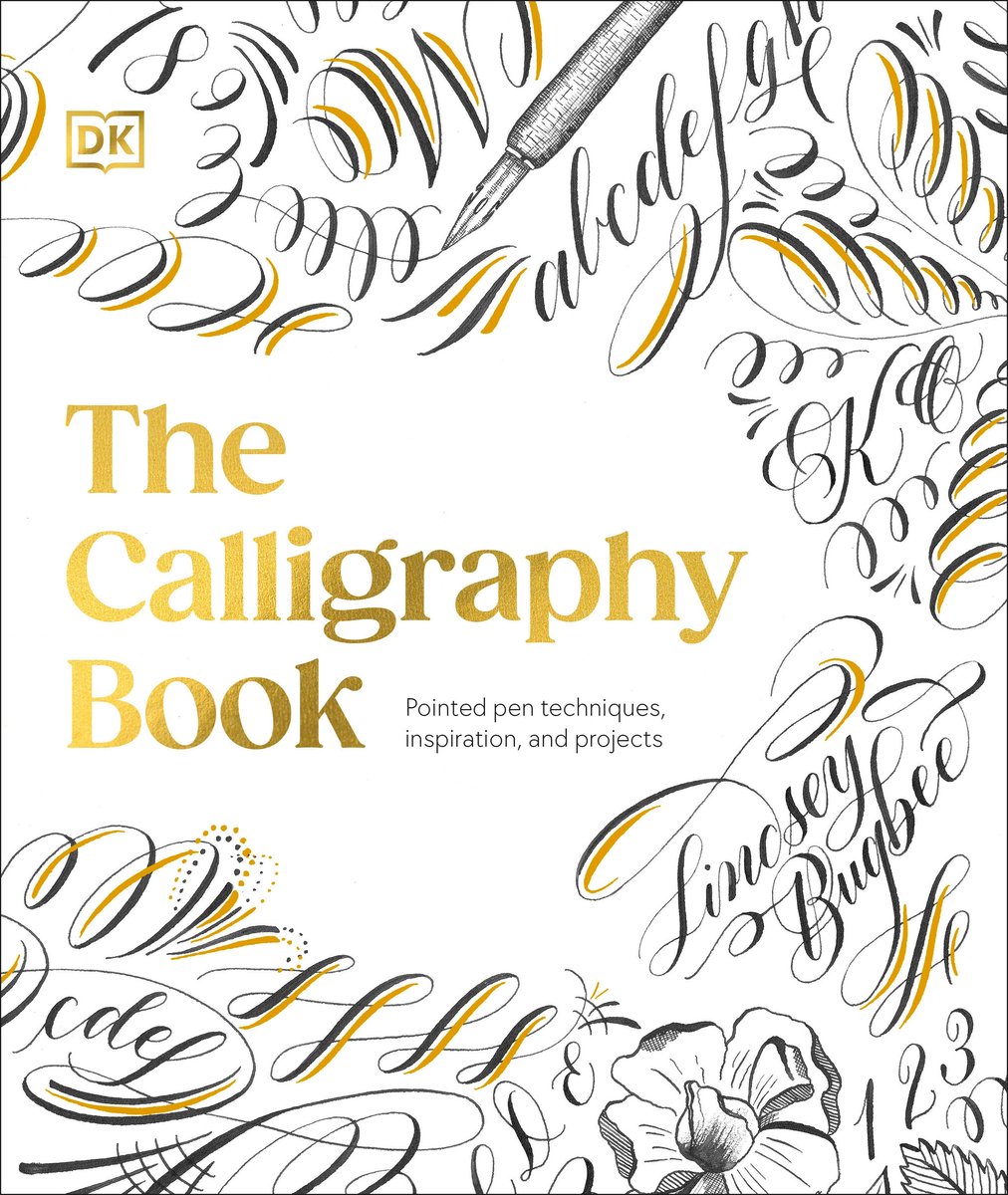
The Calligraphy Book
By Lindsey Bugbee
Learn modern calligraphy and start creating beautiful lettering for cards, invitations, and personal projects
Did you know? When you buy through Bookshop.org, you’re helping support independent bookstores.
7. Embroidery
Embroidery is easy to get started with and offers endless opportunities for experimentation. A needle, some thread, fabric, and a few basic stitches are enough to begin creating simple designs.
As you become more comfortable, you can explore different patterns, colors, textures, and stitching techniques to create increasingly detailed pieces.
If you’d like to try embroidery for yourself, the Bradove Classic Embroidery Learning Kit (available on Amazon) is designed to help beginners learn the basics while working on their own projects. Having the essential materials together in one kit makes it easier to get started without figuring out what to buy separately.
RELATED POST: 101 Hobbies to Add to Your Bucket List
Final Thoughts
Why are traditional creative hobbies making a comeback?
Because people are searching for something that modern life doesn’t always provide.
- They’re looking for creativity.
- They’re looking for relaxation.
- They’re looking for connection.
Traditional hobbies offer all three.
Whether it’s painting a landscape, knitting a blanket, shaping clay on a pottery wheel, or learning how to sew, these activities offer something that’s becoming increasingly valuable:
The chance to slow down and create.
And perhaps that’s why these hobbies aren’t simply coming back. They’re thriving.
If you’ve ever been curious about trying a traditional creative hobby, this might be the perfect time to start.
You may discover that an old-fashioned pastime is exactly what you’ve been missing.
*This article is for informational and educational purposes only and should not be considered a substitute for professional mental health advice. If you are experiencing emotional distress or mental health challenges, please seek guidance from a licensed therapist or mental health professional.

Malin, co-founder of Courier Mind, is passionate about personal growth and mindset. With a focus on self-discovery and goal-setting, she creates content that inspires confidence, balance, and growth for the mind and spirit.