

The Best Hobbies to Learn if You Love Trying New Things
Do you get excited when you discover a new skill, explore an unfamiliar topic, or challenge yourself to step outside your comfort zone?
If so, you’re probably someone who genuinely enjoys learning and seeing where your curiosity takes you.
There’s something incredibly satisfying about starting as a complete beginner and gradually watching your abilities grow. Every new technique you pick up, small victory you celebrate, and unexpected breakthrough becomes part of the experience.
The problem is that many of us stop learning simply for the fun of it.
Work, responsibilities, and everyday routines have a way of taking over. Before you know it, there’s very little room left in your schedule for curiosity or trying something just because it interests you.
That’s one of the reasons hobbies are so important.
The right hobby doesn’t just give you something to do in your free time. It keeps your mind engaged, gives you opportunities to grow, and offers something enjoyable to look forward to.
And if you love trying new things, you’re in luck.
From creative pursuits and hands-on activities to outdoor adventures and lifelong learning opportunities, there are plenty of hobbies to learn that can help you build new skills while enjoying yourself along the way.
Who knows? Your next favorite hobby might be waiting somewhere on this list.
This post contains affiliate links, which means we may earn a commission if you purchase through our links—at no extra cost to you. As an Amazon Associate we earn from qualifying purchases. We only recommend products we use or trust. Learn more about affiliate marketing or read our full disclosure.
Why It’s Important to Keep Learning New Things
Learning new things is important, yet as we get older, many of us naturally settle into familiar routines.
Found this helpful? Pin it for later so you can come back anytime.

We have work, responsibilities, and everyday life to think about, and somewhere along the way, we can lose some of that curiosity and willingness to try things we had when we were younger.
It becomes easier to stick with what we know rather than put ourselves in the uncomfortable position of being a beginner again.
But challenging yourself and stepping outside your comfort zone is an important part of continuing to grow. Trying something new gives you the chance to develop new skills, discover interests you never knew you had, and perhaps even uncover a talent that surprises you.
There’s also a real sense of accomplishment that comes from doing something you once couldn’t do. You don’t have to become an expert—the simple act of learning, improving, and proving to yourself that you’re still capable of something new can be incredibly rewarding.
Now, let’s look at some hobbies to learn:
1. Painting
Painting is one of the most rewarding hobbies you can learn because there’s always something new to explore.
- Watercolors create soft, unpredictable effects.
- Acrylics are great for vibrant colors and layering.
- Oil paints offer incredible depth and texture.
Many beginners shy away from painting because they assume they aren’t artistic. But painting isn’t about creating something perfect.
It’s about experimenting and seeing what you can do.
Sitting down with a brush and a blank canvas for the first time can feel intimidating, but once you get started, it can also be surprisingly freeing.
If you want to give painting a try, the koseibal Acrylic Paint Set for Students, Artists and Beginners (available on Amazon) is a good place to start. It gives you a range of colors to experiment with as you get comfortable using acrylics.
RELATED POST: Why Are Traditional Creative Hobbies Making a Comeback?
2. Skateboarding
Skateboarding isn’t just for teenagers at the local skate park. In recent years, more adults have started picking up a skateboard as a way to challenge themselves, stay active, and learn an entirely new skill.
And that’s exactly what makes skateboarding such an exciting hobby. Every session gives you a chance to improve.
Your first goal might simply be learning how to balance. From there, you can practice pushing, turning, and stopping.
Over time, those basic movements start to feel more natural, and your confidence grows along with them.
One of the most rewarding things about skateboarding is how easy it is to see your progress. Small improvements can quickly turn into exciting milestones.
Another benefit is that skateboarding gets you outdoors more often. Parks, sidewalks, and skateboarding areas become places to explore rather than somewhere you simply pass through.
You don’t have to learn advanced tricks to enjoy it. You may find that simply cruising through your neighborhood or a local park is relaxing enough.
Skateboarding teaches patience, persistence, and resilience.
And perhaps most importantly, it reminds you that learning something completely new can be challenging and incredibly fun at the same time.
3. Photography
Photography teaches you to see the world a little differently.
Instead of rushing through your day, you start paying closer attention to the details around you.
- Light becomes more interesting.
- Colors seem more vivid.
- Ordinary moments suddenly feel worth capturing.
The best part is that modern smartphones have made photography more accessible than ever.
You don’t need expensive equipment to get started. All you really need is curiosity and a willingness to experiment.
If you’d like to experiment with something beyond your phone, the Fujifilm Instax Mini 12 (available on Amazon) is a fun introduction to instant photography. Being able to hold a physical photo moments after taking it adds something special to the experience.
4. Learning a Musical Instrument
Few hobbies combine creativity and skill development as naturally as music. Learning an instrument can strengthen your concentration, coordination, memory, and patience.
The guitar and ukulele are popular choices for beginners because they’re relatively affordable and easy to practice at home.
The piano is another excellent option, although it can be more expensive to get started.
Will you become a concert musician overnight?
Probably not. But finally playing a song you’ve spent weeks practicing can give you an incredible sense of accomplishment.
If the ukulele sounds like a hobby you’d enjoy, the Donner Concert Ukulele Beginner Kit (available on Amazon) is a practical place to start. It comes with the essentials you’ll need as a beginner, along with free online lessons to help you learn your first songs.
RELATED POST: Bored at Home? These 25 Hobbies Might Be Exactly What You Need
5. Gardening
Gardening can teach you lessons that go far beyond growing plants.
- It teaches patience.
- It teaches observation.
- And it teaches you to appreciate gradual progress.
You don’t need a large garden to get started. A few herbs growing on a windowsill can be enough.
Many people start with basil, parsley, or mint before moving on to flowers, vegetables, or larger gardening projects.
There’s something endlessly rewarding about watching something grow under your care.
Found this helpful? Pin it for later so you can come back anytime.

6. Cooking International Cuisine
Cooking becomes much more interesting when you treat it as an opportunity to learn.
Instead of preparing the same meals every week, challenge yourself to explore cuisines you haven’t tried before.
- Try making homemade pasta.
- Learn how to prepare sushi.
- Experiment with Mediterranean recipes.
Food gives you an incredible opportunity to explore different cultures while developing practical skills in the kitchen.
And unlike many hobbies, you get to enjoy the results straight away.
7. Learning a New Language
Learning a new language can open all kinds of doors. It introduces you to new cultures, new perspectives, and even new ways of thinking.
And thanks to language-learning apps, online courses, podcasts, and videos, getting started is easier than ever.
You don’t need to become fluent to enjoy it. Even learning basic greetings and useful everyday phrases can feel rewarding.
Imagine visiting another country and confidently ordering a meal in the local language. Small moments like that can make all the effort worthwhile.
8. Pottery
Working with clay can be both creative and therapeutic. Pottery takes patience and practice, but that’s part of what makes it so rewarding.
Creating something with your hands feels completely different from spending your free time in front of a screen.
- Bowls
- Cups
- Vases
- Decorative pieces
Each project gives you a chance to learn a new technique. And every mistake becomes part of the learning process.
RELATED POST: What Makes Certain Hobbies So Relaxing?
9. Woodworking
Woodworking brings creativity and craftsmanship together.
When you’re starting out, simple projects such as shelves, cutting boards, or small decorative items can give you plenty of useful practice.
Over time, many hobbyists move on to building furniture and learning more advanced techniques. There’s something deeply satisfying about turning raw materials into something you can actually use.
Woodworking also teaches patience and precision, two skills that can be useful in many other areas of life.
10. Birdwatching
Birdwatching might not sound particularly exciting at first. But once you get into it, it can become surprisingly addictive.
As soon as you start identifying different species, an ordinary walk can turn into a small adventure.
You’ll begin noticing details that might have escaped your attention before.
- Different songs.
- Different flight patterns.
- Different colors.
Birdwatching encourages you to slow down and pay closer attention to what’s happening around you.
Sometimes the simplest hobbies turn out to be the most rewarding.
11. Calligraphy
In a world filled with keyboards and touchscreens, calligraphy offers a refreshing return to traditional craftsmanship.
Learning decorative handwriting takes concentration and repetition.
At first, your letters may look a little uneven. That’s completely normal. With practice, your movements gradually become more precise.
Many people find calligraphy almost meditative because it asks you to slow down and focus fully on what you’re doing.
It’s also a hobby that leaves you with beautiful, tangible results.
If you’d like some guidance as you get started, The Calligraphy Book: Pointed Pen Techniques, Inspiration, and Projects by Lindsey Bugbee (available on Bookshop.org) walks you through techniques while giving you projects to practice along the way.
book tip
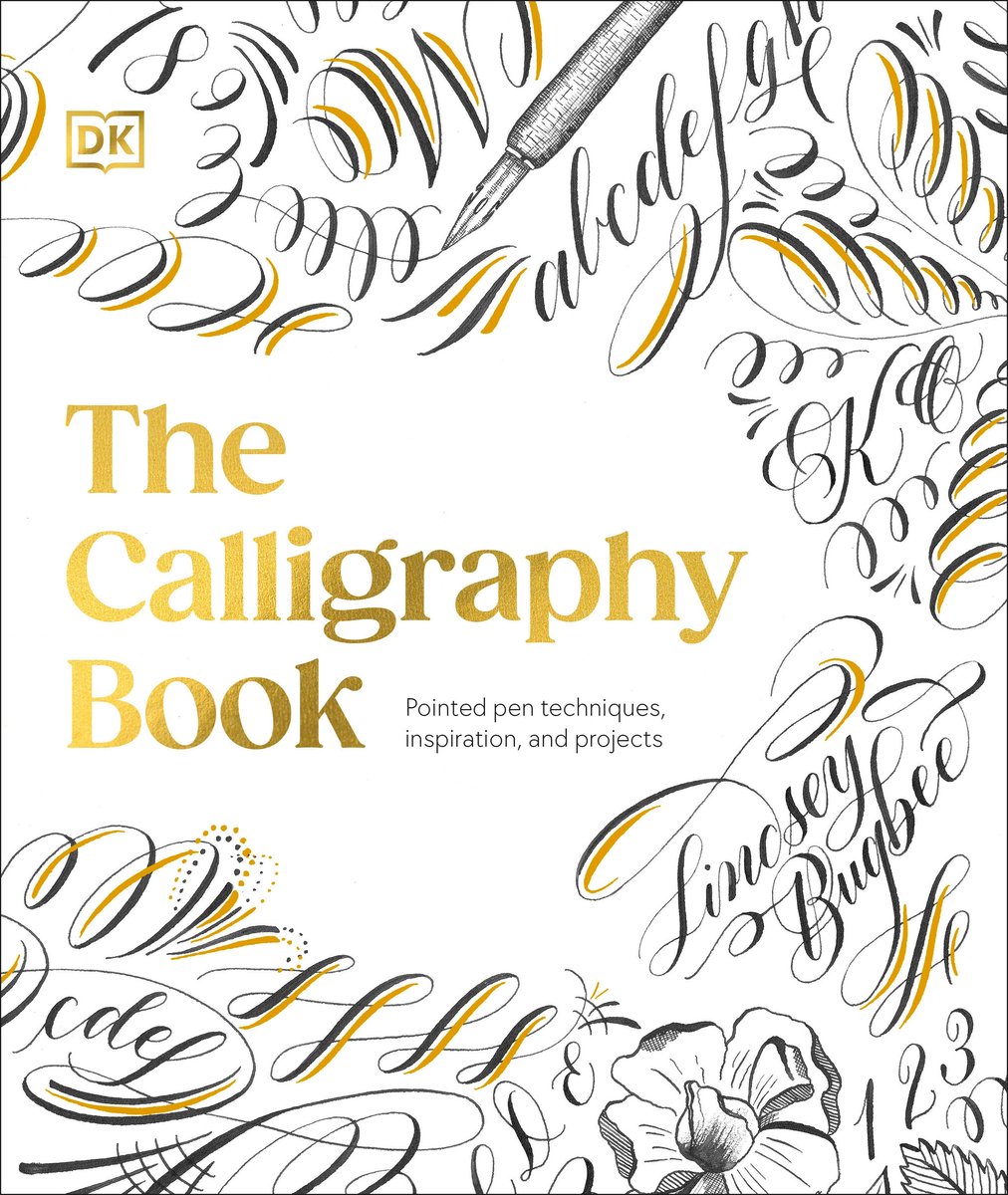
The Calligraphy Book
By Lindsey Bugbee
Learn modern calligraphy and start creating beautiful lettering for cards, invitations, and personal projects
Did you know? When you buy through Bookshop.org, you’re helping support independent bookstores.
12. Sewing
Sewing is one of those hobbies that manages to be both creative and practical.
Learning how to repair clothing, alter garments, or create handmade projects can be incredibly empowering.
Many beginners start with simple projects such as tote bags, pillowcases, or aprons. Before long, they often find themselves ready to take on more ambitious creations.
Being able to make something useful with your own hands never goes out of style.
RELATED POST: 14 Simple Hobbies for Women That Boost Happiness
13. Chess
Chess is a hobby that rewards curiosity and strategic thinking.
- Every game brings a new challenge.
- Every opponent can teach you something different.
- And every mistake gives you another opportunity to learn.
You don’t need to memorize hundreds of openings to enjoy playing chess. Many beginners find that learning just a few basic principles can dramatically improve their experience.
It’s the kind of hobby that can keep challenging your mind for decades.
If you’re ready to start playing, the AMEROUS 17-inch Magnetic Wooden Chess Set (available on Amazon) gives you a traditional board to practice on at home. The magnetic pieces also make it easier to keep a game in place if you want to come back to it later.
14. DIY Crafts
DIY projects give you the freedom to experiment with all kinds of creative techniques.
You might try:
- Candle making
- Soap making
- Jewelry making
- Embroidery
- Scrapbooking
One of the biggest advantages of DIY hobbies is how flexible they can be. You can explore different projects without making a major financial commitment.
And if one craft doesn’t hold your interest, there’s a good chance another one will.
If embroidery catches your attention, the Bradove Classic Embroidery Learning Kit (available on Amazon) is an easy way to try it without having to gather all the supplies separately. A beginner kit can make that first project feel much less intimidating.
15. Creative Writing
Have you ever considered writing as a hobby?
You don’t need to publish a novel to enjoy putting words on the page. Journaling, short stories, poetry, travel writing, and personal essays all give you opportunities to be creative.
Writing encourages reflection. It helps improve communication. And it gives you a way to organize your thoughts in a meaningful way.
Many people find that writing becomes both a creative outlet and a valuable form of self-expression.
If you’d like to make writing a regular habit, a dedicated journal can give your ideas a place to live. VICTORIA’S JOURNALS Leatherette Vintage Journal (available on Amazon) is a lovely option for journaling, creative writing, or simply jotting down thoughts whenever inspiration strikes.
How to Choose a Hobby You’ll Actually Enjoy
One of the biggest mistakes you can make is choosing a hobby based on what you think you should enjoy. Instead, think about what you’re naturally drawn to.
Ask yourself:
- Do I enjoy working with my hands?
- Do I prefer indoor or outdoor activities?
- Am I looking for relaxation or excitement?
- Do I want to create something or learn a practical skill?
- Would I rather learn alone or in a group?
Your answers can help you narrow down the options and find something that genuinely suits you.
Give Yourself Permission to Be a Beginner
It’s easy to compare yourself to people who have been enjoying their hobbies for years.
You see beautiful paintings, professional photographs, and impressive woodworking projects and assume you’re already too far behind.
But every expert started in exactly the same place. At the beginning.
Your first attempt probably won’t be perfect. Your second attempt might not be much better. But you’ll improve gradually. And that’s part of the fun.
Learning a hobby isn’t about succeeding immediately. It’s about enjoying the process and giving yourself the chance to get better.
RELATED POST: The Best Hobbies for Beginners Who Want to Try Something New
Final Thoughts
The best hobbies to learn aren’t necessarily the most popular or the most impressive.
They’re the ones that keep you curious. They’re the ones that make you want to keep showing up, even when progress feels slow.
Whether you decide to try skating, photography, gardening, pottery, painting, or language learning, remember that you don’t have to master a hobby to get something valuable from it. You only have to begin.
Trying new things keeps life interesting.
And sometimes the smallest decision—picking up a paintbrush, putting on a pair of skates, or planting a few herbs—can introduce you to a passion you’ll enjoy for years to come.
*This article is for informational and educational purposes only and should not be considered a substitute for professional mental health advice. If you are experiencing emotional distress or mental health challenges, please seek guidance from a licensed therapist or mental health professional.

Linda is the co-founder of Courier Mind and holds a Diploma in Natural Health Nutrition & Diet. Her passions include photography, personal growth, and travel, where she draws inspiration from diverse cultures and their approaches to mindset and self-discovery. She is committed to helping others set meaningful goals, overcome self-doubt, and become the best version of themselves.