


101 Goals to Set for Yourself Before the Year Ends
Most people begin the year with big plans.
We set goals to get healthier, save more money, or become more productive. But as the months go by, those good intentions often get pushed aside by the demands of everyday life.
The truth is, you don’t need to wait for a new year to make a fresh start. You can begin making positive changes today, even if the year is already halfway over.
What matters most isn’t when you start—it’s the direction you’re moving in.
In this guide, you’ll find a goals to set for yourself list with 101 practical, achievable, and meaningful ideas to help you make the most of the rest of the year.
Some of these goals are quick wins you can start right away, while others can create a bigger, lasting impact on your life. Together, they cover the areas that matter most for building a balanced, fulfilling life.
This post contains affiliate links, which means we may earn a commission if you purchase through our links—at no extra cost to you. As an Amazon Associate we earn from qualifying purchases. We only recommend products we use or trust. Learn more about affiliate marketing or read our full disclosure.
How to Use This Goal Setting List
Before you get started, it helps to keep a few things in mind. Don’t feel like you need to tackle all 101 goals.
Instead, choose 5–15 that genuinely feel relevant to where you are in your life right now.
Found this helpful? Pin it for later so you can come back anytime.
Focus on goals that align with your life and priorities, rather than ones that simply look good or sound impressive.
It can also help to create some balance by choosing a few quick, easy wins alongside a couple of bigger goals that challenge you and encourage personal growth.
Most importantly, don’t put too much pressure on yourself. Think of this goals to set for yourself list as a source of inspiration rather than a checklist you have to complete.
The goal is steady progress—not stress, pressure, or perfection.
If you want to build habits that actually stick, Atomic Habits by James Clear (available on Bookshop.org) is an excellent next read. It explains how small, consistent changes can lead to remarkable results over time, making it the perfect companion to this goal-setting guide.
book tip

Atomic Habits
By James Clear
Want to change your life without relying on willpower?
Did you know? When you buy through Bookshop.org, you’re helping support independent bookstores.
Health & Fitness Goals
Your health influences every part of your life, from your energy and mood to your focus and motivation.
When you take care of your health, many other areas of life often become easier to manage.
- Aim for 8,000–10,000 steps per day
- Exercise around 3 times per week
- Drink more water throughout the day
- Get 7–8 hours of sleep consistently
- Cut back on sugary drinks
- Include vegetables with every meal
- Stretch for about 10 minutes daily
- Take a daily walk outside
- Reduce processed food intake
- Try a new physical activity (like yoga, swimming, etc.)
- Become more aware of your posture
- Take rest days seriously without guilt
- Track your fitness progress over time
- Limit late-night screen time
- Build a consistent morning routine
If staying consistent with healthy habits feels challenging, Tiny Habits by BJ Fogg (available on Bookshop.org) offers a simple approach that makes lasting change feel much more achievable. It’s full of practical strategies you can start using right away.
book tip
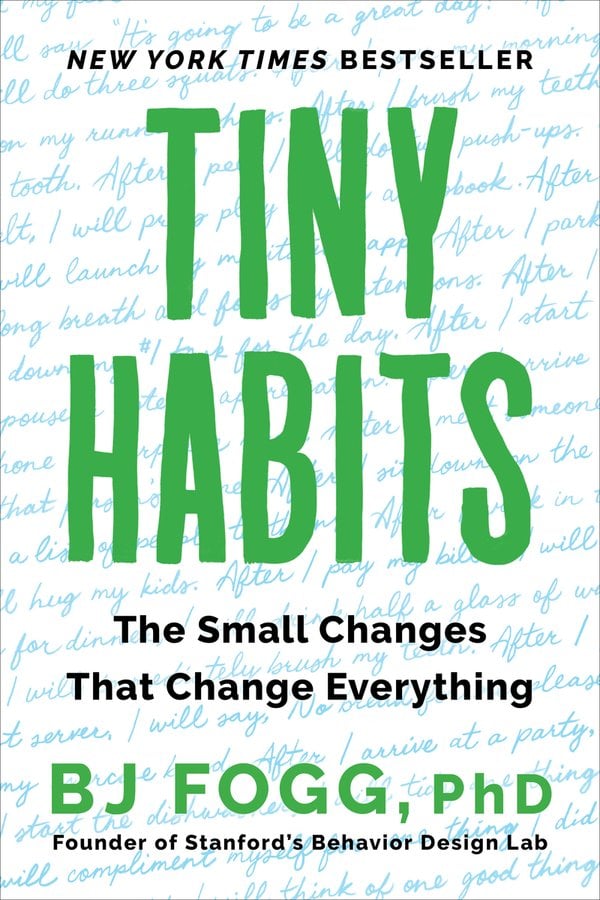
Tiny Habits
By BJ Fogg, PhD
Discover how tiny, consistent habits can lead to meaningful and lasting changes over time.
Did you know? When you buy through Bookshop.org, you’re helping support independent bookstores.
Mental Health & Emotional Goals
Your mental and emotional well-being plays a big role in how you experience everyday life.
The way you think, respond to stress, and speak to yourself affects everything from your confidence and relationships to your overall sense of peace.
- Practice gratitude daily
- Journal a few times each week
- Spend less time overthinking
- Meditate for 5–10 minutes a day
- Reduce negative self-talk
- Take regular breaks from social media
- Spend time in nature each week
- Learn healthier ways to manage stress
- Talk to someone you trust regularly
- Set stronger emotional boundaries
- Let go of unnecessary guilt
- Practice more self-compassion
- Compare yourself to others less often
- Improve your emotional awareness
- Focus more on what you can control
If you’d like to build a simple daily habit of gratitude and self-reflection, the UrBestSelf 6-Minute Diary (available on Amazon) is a great place to start. Its guided prompts make it easy to stay consistent without feeling overwhelming.
RELATED POST: Why Positive Thinking Isn’t Enough to Reach Your Goals
Financial Goals
Financial stability does more than improve your bank balance. It can also give you greater freedom, security, and peace of mind.
Even small financial habits can add up over time and make a meaningful difference.
- Save a consistent amount each month
- Build an emergency fund
- Track your spending habits
- Reduce impulse purchases
- Pay down existing debt
- Find ways to increase your income
- Learn more about investing
- Create a simple, realistic budget
- Cancel unnecessary subscriptions
- Save toward a specific goal
- Build a side income stream
- Improve your financial literacy
- Automate your savings where possible
- Set weekly spending limits
- Plan future expenses ahead of time
If you want to improve your relationship with money, The Psychology of Money by Morgan Housel (available on Bookshop.org) offers timeless lessons on wealth, decision-making, and financial habits. It’s an easy, thought-provoking read that can change the way you think about money.
book tip

The Psychology of Money
By Morgan Housel
Money isn’t just numbers—it’s how we think, feel, and behave.
Did you know? When you buy through Bookshop.org, you’re helping support independent bookstores.
Career & Productivity Goals
Making progress in your career can open new opportunities and help you build greater confidence in your abilities.
The key is to focus on steady improvement instead of trying to change everything at once.
- Improve one professional skill
- Complete an online course
- Organize your workspace
- Work on better time management
- Set clear daily priorities
- Reduce procrastination habits
- Learn a new tool or software
- Network with new people
- Ask for feedback at work
- Improve your communication skills
- Start a personal project
- Create a realistic weekly schedule
- Stop multitasking so much
- Set clearer work boundaries
- Spend more time in focused deep work sessions
If you’re looking to improve your focus and get more meaningful work done, Deep Work by Cal Newport (available on Bookshop.org) is well worth reading. It shares practical ideas for reducing distractions and producing higher-quality work.
book tip
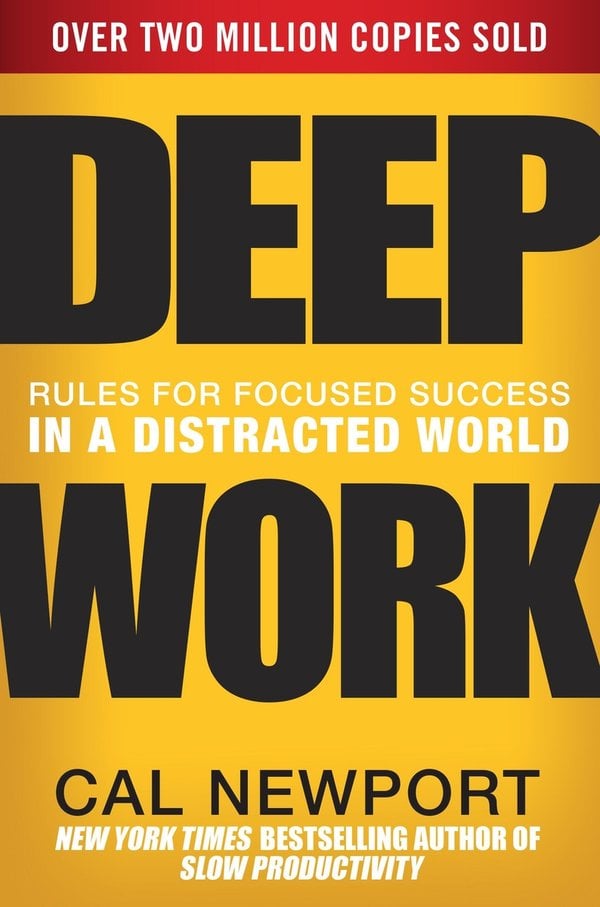
Deep Work
By Cal Newport
Discover how focused, distraction-free work can help you accomplish more in less time.
Did you know? When you buy through Bookshop.org, you’re helping support independent bookstores.
Personal Growth Goals
Personal growth is about becoming a stronger, wiser, and more self-aware version of yourself over time.
Small improvements to your habits, mindset, and everyday choices can lead to meaningful growth over the long run.
- Read more books
- Learn a new skill
- Improve your self-discipline
- Wake up earlier more consistently
- Reduce unnecessary phone usage
- Learn something outside your comfort zone
- Build better daily habits
- Focus on consistency over intensity
- Reflect on your goals each week
- Take more responsibility for your actions
- Improve your decision-making skills
- Stop delaying important tasks
- Develop more patience
- Become more organized
- Challenge limiting beliefs that hold you back
Relationship Goals
Strong relationships can make life feel more fulfilling, supportive, and meaningful.
The people you spend time with have a bigger impact on your happiness, stress levels, and overall well-being than you might realize.
- Spend more quality time with family
- Call or message friends more regularly
- Improve communication with loved ones
- Be more present during conversations
- Resolve misunderstandings more calmly
- Show appreciation more often
- Make time for social activities
- Strengthen your closest friendships
- Set healthy personal boundaries
- Listen more than you speak
- Express gratitude to others
- Reconnect with someone you’ve lost touch with
- Be more supportive toward others
- Plan intentional quality time with people you care about
- Reduce distractions during conversations
Daily Habits & Lifestyle Goals
The way you spend your days has a greater impact on your life than motivation alone ever will.
Your daily habits and the environment around you shape many of the results you experience over time.
- Clean and organize your space
- Build a consistent morning routine
- Reduce clutter in your environment
- Limit social media usage
- Improve your daily planning habits
- Create a better sleep routine
- Cut down unnecessary screen time
- Spend less time on distractions
- Improve your daily structure
- Build habits that actually support your goals
- Design a lifestyle you genuinely enjoy
If you’re working on building better routines and staying organized, the Legend Planner PRO (available on Amazon) can help you keep everything in one place. It includes goal-setting pages, habit trackers, and weekly planning tools to help you stay consistent.
RELATED POST: 13 New Year’s Resolutions That Finally Work—Here’s the Method
How to Turn This List Into Real Results
Reading through a list of goals is the easy part. Taking action is where real change happens.
Here’s how you can make this goals to set for yourself list work in your everyday life:
1. Choose a Few Goals Only
Start small and keep things manageable. Focus matters more than quantity, and you’ll make far better progress when you’re not trying to do everything at once.
2. Turn Goals Into Actions
Avoid keeping your goals too broad. Instead, break them down into specific actions you can actually take.
For example, instead of saying “get fit,” make it more specific, such as:
- Go for a daily walk
- Exercise 3 times per week
The more clearly you define each action, the easier it becomes to get started and stay consistent.
3. Make Goals Realistic
Choose goals that fit your real life and your schedule.
Consistency matters far more than intensity. It’s better to commit to something sustainable than to set an ambitious goal that’s impossible to maintain.
4. Track Progress
Keep your tracking system simple. A checklist, journal, or notes app is often all you need.
Being able to see your progress helps you stay motivated and makes it easier to recognize how much you’ve accomplished over time.
Research suggests that people are more likely to stay consistent with tracking when their goals are clear and measurable.
In other words, when it’s easy to see your progress, it’s much easier to stay motivated and committed over the long term.
5. Review Weekly
Set aside a little time each week to check in with yourself.
Take a look at what’s working, what isn’t, and make adjustments where needed. Small changes along the way can help you keep moving forward without losing momentum.
If breaking your goals into daily actions feels difficult, the Taja To Do List Notepad (available on Amazon) makes it easy to stay focused on your next steps. Keeping your priorities visible each day can make it much easier to follow through.
The Most Important Idea: Progress Over Perfection
Most people don’t struggle because they choose the wrong goals. They struggle because they expect results to happen right away.
But lasting change rarely works that way. It happens gradually through consistent repetition.
- One walk.
- One workout.
- One better choice.
- One small improvement at a time.
Over time, those small actions add up and create meaningful change—even if you don’t notice the progress from one day to the next.
Final Thoughts
You don’t need to wait for a new year to start making positive changes in your life. All you need is clarity and a sense of direction.
This goals to set for yourself list isn’t designed to overwhelm you. It’s here to give you options and remind you that growth can happen in many different areas of your life, not just one.
Choose a few goals that feel meaningful to you right now. Start small. Stay consistent. Adjust as you go.
Because when the year comes to an end, it won’t matter how many goals you wrote down.
What will matter is how many you actually put into practice.
*This article is for informational and educational purposes only and should not be considered a substitute for professional mental health advice. If you are experiencing emotional distress or mental health challenges, please seek guidance from a licensed therapist or mental health professional.

Linda is the co-founder of Courier Mind and holds a Diploma in Natural Health Nutrition & Diet. Her passions include photography, personal growth, and travel, where she draws inspiration from diverse cultures and their approaches to mindset and self-discovery. She is committed to helping others set meaningful goals, overcome self-doubt, and become the best version of themselves.