The 10 Biggest Relationship Challenges for Highly Sensitive People

This post contains affiliate links, which means we may earn a commission if you purchase through our links—at no extra cost to you. As an Amazon Associate we earn from qualifying purchases. We only recommend products we use or trust. Learn more about affiliate marketing or read our full disclosure.
Relationships have always been one of the most rewarding—and sometimes most challenging—parts of my life.
As a highly sensitive person, I don’t experience relationships casually. I care deeply about the people I love. I notice the little things, remember conversations, and genuinely want the people closest to me to feel supported and understood.
But I’ve also learned that being highly sensitive can make relationships feel… complicated.
For years, I thought I was simply “too much.”
- I cared too deeply.
- Thought too much.
- Felt too much.
- Needed too much reassurance.
Or at least, that’s what I told myself.
Over time, I’ve realized that many of the relationship challenges I faced as a highly sensitive person weren’t because there was something wrong with me. They often came from having a nervous system that processes emotions and relationships more deeply than average.
The more I’ve come to understand my sensitivity, the easier it’s become to build healthier, more balanced relationships.
If you’re a highly sensitive person, you may recognize some of these challenges too.
What Are Highly Sensitive People?
A highly sensitive person (HSP) is someone who tends to process emotions, experiences, and their surroundings more deeply than others.
The term was introduced by psychologist Dr. Elaine Aron, who began researching high sensitivity in the 1990s.
Highly sensitive people may notice subtle changes in other people’s moods, feel emotions intensely, become overwhelmed by too much stimulation, and need more time to process experiences.
Being highly sensitive isn’t a flaw or something that needs to be fixed. It’s a personality trait that can bring both strengths and challenges, especially when it comes to close relationships.
If you want to understand your sensitivity on a deeper level, The Highly Sensitive Person by Dr. Elaine Aron (available on Bookshop.org) is a great place to start. It explores the trait in much more detail and can help you better understand why you experience certain situations so intensely.
book tip

The Highly Sensitive Person
By Elaine N. Aron, Ph.D.
Do you often feel overwhelmed by sights, sounds, or emotions that others seem to handle easily?
Did you know? When you buy through Bookshop.org, you’re helping support independent bookstores.
Now let’s look at some of the relationship challenges for highly sensitive people:
1. You Take Criticism Very Personally
This has probably been one of the biggest challenges in my own relationships. A simple piece of feedback from someone I love can stay with me for days.
Even when it’s said kindly, my brain immediately starts asking questions.
- “Did I disappoint them?”
- “Are they upset with me?”
- “Have I damaged the relationship?”
I’ve had to learn that criticism doesn’t automatically mean rejection.
Sometimes, people are simply expressing a need or sharing their perspective. That doesn’t make me a bad partner, friend, or family member.
If criticism tends to turn into self-criticism, Self-Compassion by Dr. Kristin Neff (available on Bookshop.org) is a helpful read. It explores how to respond to yourself with more kindness when you make mistakes, feel inadequate, or believe you’ve fallen short.
book tip

Self-Compassion
By Dr. Kristin Neff
Ever notice how harshly we can treat ourselves — and wonder if it’s holding us back?
Did you know? When you buy through Bookshop.org, you’re helping support independent bookstores.
2. You Overthink Conversations
Have you ever replayed a conversation long after it ended?
I definitely have.
Sometimes I’ll think:
- “Why did I say that?”
- “Did they misunderstand me?”
- “Should I have responded differently?”
While reflecting can be helpful, I’ve learned that replaying a conversation over and over rarely changes anything.
Most of the time, the other person has already moved on while I’m still analyzing every word.
RELATED POST: The Mistake Highly Sensitive People Make That Fuels Imposter Syndrome
3. Conflict Feels Emotionally Exhausting
I don’t enjoy conflict. Not because I think disagreements are bad, but because they affect me deeply.
Even healthy disagreements can leave me feeling emotionally drained. When I was younger, I tried to avoid conflict altogether.
The problem was that avoiding difficult conversations didn’t make my relationships stronger. It usually created even more misunderstandings.
I’ve slowly learned that healthy conflict isn’t something to fear. It’s often part of building deeper trust.
RELATED POST: 13 Things That Secretly Trigger Highly Sensitive People
4. Other People’s Emotions Can Affect You Deeply
As a highly sensitive person, I tend to notice changes in other people’s moods quickly, especially when it’s someone I’m close to.
- If someone close to me is stressed, I often feel tense too.
- If they’re anxious, I notice myself becoming more anxious.
- If they’re upset, their mood can affect me more than I realize.
I’ve had to learn that noticing someone’s emotions doesn’t mean I’m responsible for fixing them. I can care deeply about how someone feels without carrying that emotional weight myself.
If you often find yourself deeply affected by other people’s emotions, The Empath’s Survival Guide by Judith Orloff (available on Bookshop.org) may be worth reading. It offers practical ideas for protecting your emotional energy while still caring about the people around you.
book tip
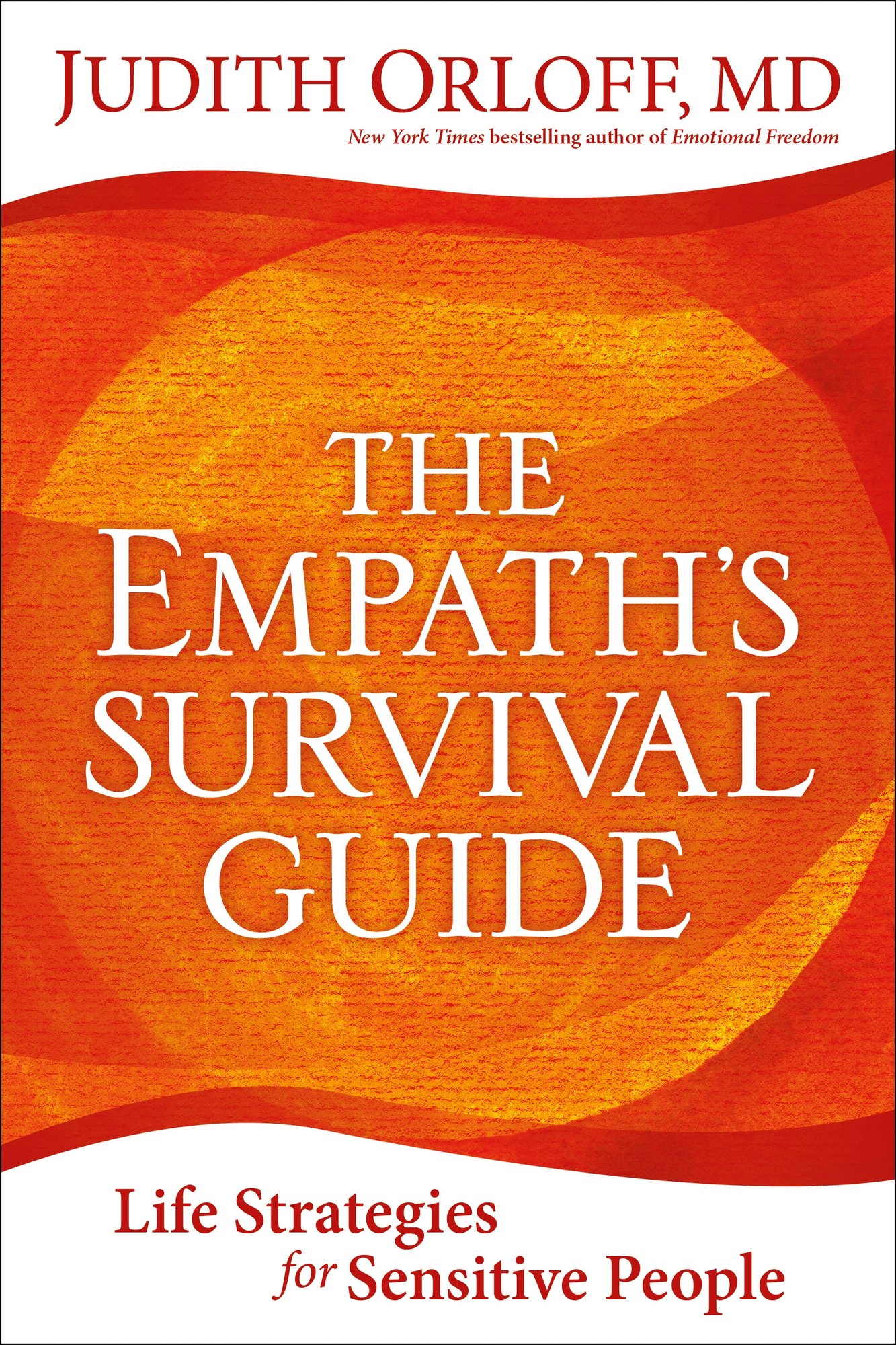
The Empath’s Survival Guide
By Judith Orloff, MD
Do you ever feel drained after being around certain people? Or overwhelmed by emotions that don’t even feel like your own?
Did you know? When you buy through Bookshop.org, you’re helping support independent bookstores.
5. You Need More Alone Time Than People Expect
This used to make me feel guilty.
I’d spend a wonderful weekend with people I love… Then all I’d want was a quiet day by myself.
At first, I worried that meant something was wrong. Now I know better. Being highly sensitive means my nervous system needs time to recover—even after positive experiences.
Needing space doesn’t mean I love people any less. It simply means I recharge differently.
6. You Struggle to Set Boundaries
If I’m honest, this has been one of the biggest lessons of adulthood.
Like many highly sensitive people, I wanted everyone around me to be happy. So I said yes.
- Even when I was tired.
- Even when I didn’t really want to.
- Even when I knew I’d regret it later.
The problem was that every unnecessary yes eventually turned into resentment.
I’ve learned that boundaries don’t push people away. Healthy boundaries actually make relationships stronger because they allow us to show up without feeling emotionally depleted.
If setting boundaries is something you struggle with, Set Boundaries, Find Peace by Nedra Glover Tawwab (available on Amazon) is a practical place to start. It explains how to communicate your needs more clearly and set healthier limits without feeling like you’re pushing people away.
RELATED POST: How Highly Sensitive People Can Thrive in an Insensitive World
7. You Often Assume You’re the Problem
This is one I’ve been actively working on.
- If someone seems quieter than usual… I assume I’ve done something wrong.
- If someone cancels plans… I wonder whether they’re upset with me.
- If someone sounds distracted… My brain immediately starts searching for something I might have done to cause it.
The truth?
Most of the time, it has nothing to do with me. I’ve learned that not every emotional shift in someone else is my responsibility to explain.
RELATED POST: 9 Myths About Highly Sensitive People You May Still Believe
8. You Need Deep Emotional Connection
Small talk has never been my favorite. I don’t need constant excitement in relationships.
- I need genuine connection.
- Meaningful conversations.
- Honesty.
- Trust.
- Emotional safety.
I’ve realized this isn’t asking for too much. It’s simply what helps me feel close to people. The challenge comes when other people don’t communicate or connect in the same way.
Learning to appreciate different relationship styles has helped me stop expecting everyone to express love exactly as I do.
RELATED POST: 12 Things Highly Sensitive People Need to Be Truly Happy
9. You Can Lose Yourself Trying to Keep the Peace
Looking back, I’ve realized there were times when I became so focused on keeping everyone else comfortable that I forgot to ask myself what I actually wanted.
- I’d avoid sharing my opinions.
- Avoid difficult conversations.
- Avoid disappointing anyone.
The result?
People liked the version of me that always agreed. But it wasn’t the real me. One of the healthiest things I’ve learned is that authentic relationships require honesty.
Not perfection.
RELATED POST: The Success Challenges Most Highly Sensitive People Don’t See Coming
10. You Feel the Highs and Lows of Relationships Deeply
This may not sound like a challenge at first. But loving deeply means you also feel deeply.
- You celebrate other people’s happiness wholeheartedly.
- You worry when they’re struggling.
- You notice the little things that make them smile.
- You remember birthdays, conversations, and tiny details.
When relationships end or people leave your life, you often grieve deeply too.
For years, I wished I could care a little less because I thought it might make things easier. Now I see it differently.
Loving deeply isn’t something I want to lose. I’ve simply had to learn how to love without losing myself in the process.
RELATED POST: The Benefits of Being a Highly Sensitive Person No One Talks About
What Healthy Relationships Have Taught Me
One of the biggest shifts in my life happened when I stopped believing I needed to become less sensitive to have healthy relationships.
Instead, I started looking for relationships where sensitivity wasn’t treated like a flaw.
The healthiest people in my life don’t tell me I’m “too sensitive.”
- They ask questions.
- They listen.
- They respect my need for quiet sometimes.
And just as importantly, they know I’m trying to understand them too. That mutual understanding changes everything.
If you’d like to explore how sensitivity affects romantic relationships in more depth, The Highly Sensitive Person in Love by Dr. Elaine Aron (available on Amazon) is especially relevant. It looks at how highly sensitive people experience intimacy, communication, and the challenges that can come with loving deeply.
RELATED POST: Why Some Highly Sensitive People Choose Not to Have Children
What Has Helped Me Build Healthier Relationships
Over the years, I’ve found a few habits that have made my relationships much healthier.
First, I’ve learned to communicate my needs before I become overwhelmed.
Instead of disappearing when I need space, I’ll simply say:
I need a quiet evening to recharge, but I’d love to see you tomorrow.
People usually understand far better than I expect.
Second, I’ve stopped assuming people can read my mind. For years, I hoped people would notice when I was overwhelmed.
Now I simply tell them. It feels vulnerable, but it also prevents so many misunderstandings.
Finally, I’ve become much better at asking myself one important question whenever I’m upset:
Am I reacting to what’s actually happening—or to the story my mind is creating?
That one question has saved me from countless unnecessary worries.
If you’d like to become better at noticing your thoughts without immediately getting pulled into them, The Miracle of Mindfulness by Thich Nhat Hanh (available on Bookshop.org) is a gentle introduction to mindfulness. It’s especially helpful for learning how to stay with what’s actually happening instead of getting lost in every thought your mind creates.
book tip

The Miracle of Mindfulness
By Thich Nhat Hanh
In the busyness of everyday life, it’s easy to forget the present moment. This book is a gentle reminder to slow down and truly live.
Did you know? When you buy through Bookshop.org, you’re helping support independent bookstores.
RELATED POST: 7 Signs You’re Both Highly Sensitive and a High Sensation Seeker
You Don’t Need to Become Less Sensitive
For a long time, I genuinely believed I’d be easier to love if I were less sensitive.
- Less emotional.
- Less thoughtful.
- Less affected by things.
Now I see how unfair that belief was. My sensitivity isn’t only responsible for some of the challenges in my relationships.
It’s also behind many of the things I value most.
- It helps me empathize.
- It helps me notice when someone needs support.
- It helps me create meaningful connections.
The goal isn’t to stop feeling deeply. The goal is to learn how to care deeply without constantly sacrificing yourself.
RELATED POST: 15 Best and Worst Jobs for Highly Sensitive People
Final Thoughts
Being a highly sensitive person can bring its own challenges to relationships.
- You may need more communication.
- Clearer boundaries.
- More quiet time.
- And sometimes a little more reassurance than other people seem to need.
But sensitivity isn’t only about what makes relationships difficult. It can also make you thoughtful, attentive, and deeply aware of the people you care about.
As I’ve gotten older, I’ve realized that healthy relationships don’t require me to hide those parts of myself.
They require me to understand my sensitivity, communicate what I need, and recognize where my responsibility ends and someone else’s begins.
If you’re a highly sensitive person, I think that’s worth remembering:
You don’t need to become less sensitive to have healthy, fulfilling relationships. You just need to learn how to work with your sensitivity rather than against it.
*This article is for informational and educational purposes only and should not be considered a substitute for professional mental health advice. If you are experiencing emotional distress or mental health challenges, please seek guidance from a licensed therapist or mental health professional.
Aron, Elaine, Ph.D. “Graceful Boundaries Part IV: Boundaries in Dating and Close Relationships.” Highly Sensitive Person, 5 August 2019, https://hsperson.com/graceful-boundaries-part-iv-boundaries-in-dating-and-close-relationships/. Accessed 9 August 2023.
Aron, Elaine, Ph.D. “The Highly Sensitive Person.” Highly Sensitive Person, https://hsperson.com/. Accessed 9 August 2023.
Aron, Elaine, Ph.D. “The Highly Sensitive Person in Love.” Highly Sensitive Person,https://hsperson.com/books/the-highly-sensitive-person-in-love/. Accessed 9 August 2023.
Greven, Corina U. et al. "Sensory Processing Sensitivity in the context of Environmental Sensitivity: A critical review and development of research agenda." Neuroscience & Biobehavioral Reviews, vol. 98, 2019, pp. 287-305, ISSN 0149-7634, https://doi.org/10.1016/j.neubiorev.2019.01.009. Adapted and used under the Creative Commons Attribution 4.0 International License.
Gulla, Bożena, and Krystyna Golonka. “Exploring Protective Factors in Wellbeing: How Sensory Processing Sensitivity and Attention Awareness Interact With Resilience.” Frontiers in psychologyvol. 12 751679. 16 Nov. 2021, doi:10.3389/fpsyg.2021.751679. Adapted from and used under the terms of the Creative Commons Attribution 4.0 International License.
Zorlular, Melis, and Tuğba Uzer. “Investigating the relationship between sensory processing sensitivity and relationship satisfaction: mediating roles of negative affectivity and conflict resolution style.” Current psychology (New Brunswick, N.J.), 1-10. 22 Sep. 2022, doi:10.1007/s12144-022-03796-3.

Malin, co-founder of Courier Mind, is passionate about personal growth and mindset. With a focus on self-discovery and goal-setting, she creates content that inspires confidence, balance, and growth for the mind and spirit.