


The Success Challenges Most Highly Sensitive People Don’t See Coming
For a long time, I believed the only thing standing between me and success was confidence.
If I could just stop doubting myself…
Stop overthinking…
Stop worrying so much about what other people thought…
Then surely I’d finally reach my goals.
The frustrating part was, I knew I was capable. I worked hard. I loved learning. I genuinely cared about doing good work. People often told me I was smart, thoughtful, and talented.
So why did it still feel like I was the one getting in my own way?
As I learned more about what it means to be a highly sensitive person, I started to see something I hadn’t noticed before.
It wasn’t a lack of intelligence or ability keeping me stuck.
It was the invisible habits my sensitivity had created—constantly questioning myself, avoiding criticism, and waiting until I felt completely ready before taking action.
If you’re a highly sensitive person, you might recognize some of these patterns in yourself too. They’re some of the success challenges for highly sensitive people that can be easy to miss.
The good news?
Once you become aware of them, you can stop letting them quietly shape the choices you make and the life you create.
This post contains affiliate links, which means we may earn a commission if you purchase through our links—at no extra cost to you. As an Amazon Associate we earn from qualifying purchases. We only recommend products we use or trust. Learn more about affiliate marketing or read our full disclosure.
What Does Being Highly Sensitive Mean?
Being highly sensitive means you tend to process experiences more deeply and notice subtleties that other people may overlook.
Found this helpful? Pin it for later so you can come back anytime.

You might be especially aware of other people’s moods, think carefully before making decisions, feel emotions strongly, or become overwhelmed when there’s too much happening at once.
Being highly sensitive isn’t a weakness, and it doesn’t mean you’re incapable of handling pressure or achieving ambitious goals.
But it can influence how you respond to uncertainty, criticism, conflict, and the demands that often come with pursuing success. And that’s where some of the less obvious challenges can begin.
If you want to understand high sensitivity on a deeper level, The Highly Sensitive Person by Elaine N. Aron (available on Bookshop.org) is a great place to start. It explores what it means to be highly sensitive and offers practical guidance for navigating life without seeing your sensitivity as something you need to change.
book tip

The Highly Sensitive Person
By Elaine N. Aron, Ph.D.
Do you often feel overwhelmed by sights, sounds, or emotions that others seem to handle easily?
Did you know? When you buy through Bookshop.org, you’re helping support independent bookstores.
Now, let’s look at the success challenges for highly sensitive people that can quietly get in the way.
1. You Constantly Doubt Yourself
If I had to choose the one thing that’s slowed me down the most, it would probably be self-doubt.
It’s strange because, deep down, I often knew what I was talking about.
- I had done the research.
- I had put in the work.
- I had the skills.
And yet there was always that little voice whispering:
Are you sure you’re good enough? What if everyone realizes you have no idea what you’re doing?
Looking back, I can see that ability was never the problem.
I simply didn’t trust myself.
I think many highly sensitive people struggle with this because we naturally reflect deeply.
We don’t just ask whether something is good enough—we turn the question inward and ask whether we’re good enough.
Those are two very different questions.
If self-doubt and that critical inner voice sound familiar, Self-Compassion by Kristin Neff (available on Bookshop.org) is well worth reading. It explores how to respond to yourself with more kindness instead of constant self-criticism, which can make it easier to trust yourself when doubt creeps in.
book tip

Self-Compassion
By Dr. Kristin Neff
Ever notice how harshly we can treat ourselves — and wonder if it’s holding us back?
Did you know? When you buy through Bookshop.org, you’re helping support independent bookstores.
RELATED POST: The Mistake Highly Sensitive People Make That Fuels Imposter Syndrome
2. You Wait Until You Feel Ready
This one kept me stuck for years.
I convinced myself I just needed a little more experience.
- One more course.
- One more book.
- One more year.
Then I’d finally feel ready.
Except… I never did.
The truth is, highly sensitive people often prepare far more than they actually need to.
- We’re thoughtful.
- We like understanding things.
- We don’t want to make careless mistakes.
Those are wonderful qualities. But there comes a point when preparation turns into procrastination.
One of the biggest lessons I’ve learned is this:
You’ll probably never feel completely ready.
Sometimes confidence only comes after you’ve taken the leap.
3. You Overthink Every Decision
One of the strengths of being highly sensitive is that we don’t tend to make impulsive decisions.
The downside?
Sometimes we can think ourselves into complete paralysis. I’ve spent far too much time weighing every possible outcome.
- “What if this doesn’t work?”
- “What if I choose the wrong path?”
- “What if there’s a better option?”
Found this helpful? Pin it for later so you can come back anytime.

Meanwhile, someone else with half as much preparation has already started. That was an uncomfortable realization.
Not because they were more talented. Because they were willing to move forward without having complete certainty.
These days, I remind myself that an imperfect decision is often better than making no decision at all.
RELATED POST: 7 Signs You’re Both Highly Sensitive and a High Sensation Seeker
4. You Fear Criticism More Than You Realize
I’ve written an entire article about dealing with criticism because it’s something I’ve struggled with for most of my life.
What I didn’t realize was just how much that fear had been influencing my decisions.
I wasn’t only afraid of being criticized after succeeding. I was avoiding situations where criticism was even a possibility.
- Not applying for opportunities.
- Not sharing ideas.
- Not publishing my work.
- Not asking for what I wanted.
Because if nobody saw me, nobody could criticize me.
- But they couldn’t support me either.
- Or learn from me.
- Or benefit from what I had to offer.
I’ve learned that criticism isn’t proof that you’ve failed. Sometimes it’s simply proof that you had the courage to put yourself out there.
5. You Struggle to Talk About Your Strengths
This one still makes me smile because it’s so true.
If someone asked me to talk about my strengths, I’d immediately feel uncomfortable. I’d much rather let my work speak for itself.
The problem is, the world doesn’t always work that way.
- Sometimes you have to apply for the promotion.
- Update your website.
- Share your achievements.
- Tell people what you do.
For a long time, I confused self-promotion with arrogance. Now I understand the difference.
Bragging says:
I’m better than everyone else.
Healthy confidence says:
This is what I can offer.
There’s nothing arrogant about that.
If you’ve ever felt that being quieter or less comfortable promoting yourself puts you at a disadvantage, Quiet by Susan Cain (available on Bookshop.org) is a reassuring read. While the book focuses on introverts—and being highly sensitive isn’t the same as being introverted—many HSPs are introverts, so you may recognize yourself in many of the experiences and strengths she explores.
book tip

Quiet
By Susan Cain
This book reveals the surprising power of introverts and how they quietly make a big impact in the world.
Did you know? When you buy through Bookshop.org, you’re helping support independent bookstores.
RELATED POST: 15 Best and Worst Jobs for Highly Sensitive People
6. You Avoid Conflict
I don’t enjoy conflict. I never have. For years, I thought avoiding difficult conversations made me a kind person.
Now I realize that avoiding them often made my life harder.
- I didn’t negotiate.
- I didn’t ask for better opportunities.
- I stayed quiet when something wasn’t working.
I worried more about making other people uncomfortable than I did about standing up for myself.
The truth is, success sometimes requires uncomfortable conversations.
- Asking for a raise.
- Setting boundaries.
- Saying no.
- Sharing an unpopular opinion.
You don’t have to become aggressive to do any of those things. But you do have to be willing to do them.
RELATED POST: The 10 Biggest Relationship Challenges for Highly Sensitive People
7. You Put Everyone Else First
This has probably been one of the hardest habits for me to break. Highly sensitive people often care deeply about other people’s happiness.
That’s a beautiful quality. But it can also become a trap.
- I’ve delayed my own goals because someone else needed me.
- I’ve said yes when I desperately wanted to say no.
- I’ve spent more time helping other people build their dreams than working on my own.
One day, I realized something uncomfortable:
Nobody else was going to build the life I wanted for me. That responsibility belonged to me.
Helping others is wonderful. Just don’t disappear in the process.
RELATED POST: Why Some Highly Sensitive People Choose Not to Have Children
8. You Mistake Kindness for Playing Small
This is something I wish someone had told me years ago.
- Being kind doesn’t mean shrinking yourself.
- It doesn’t mean staying quiet.
- It doesn’t mean pretending your ambitions don’t matter.
Somewhere along the way, I’d started believing that wanting success somehow made me selfish. Now I know that’s not true.
- You can be compassionate and ambitious.
- Thoughtful and successful.
- Gentle and confident.
Those qualities don’t cancel each other out.
If you’re working on treating yourself with the same kindness you so easily give to others, Louise Hay’s How to Love Yourself Affirmation Cards (available on Bookshop.org) can be a lovely daily reminder. The cards are designed to encourage more positive, compassionate self-talk and help you build a kinder relationship with yourself.
Love Yourself Daily
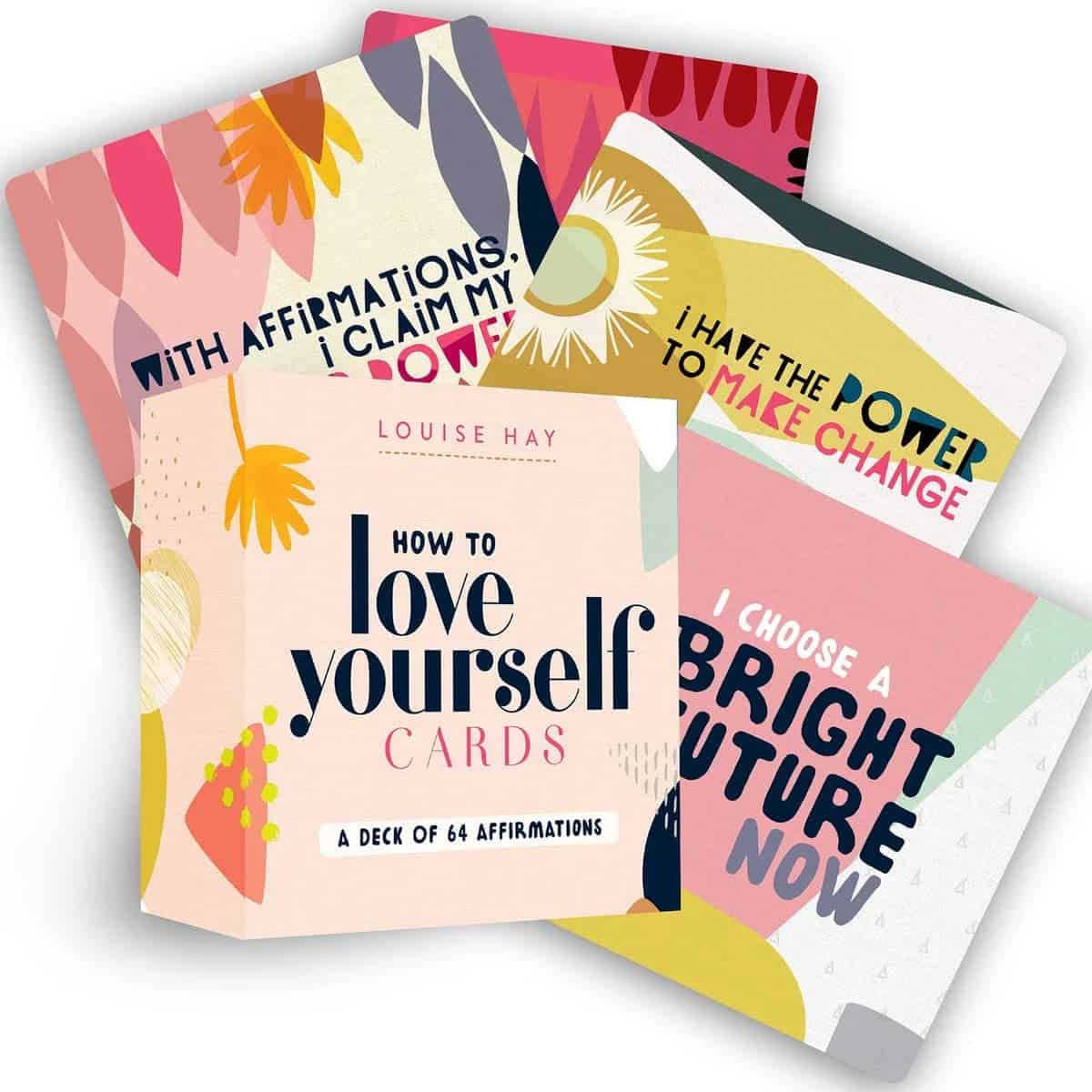
How to Love Yourself Cards by Louise Hay
Build a kinder relationship with yourself through daily affirmations.
Did you know? By buying from Bookshop.org, you help support independent bookstores.
9. You Burn Out Before You Reach Your Goal
This might be the challenge that surprised me the most.
Highly sensitive people often work incredibly hard.
- We care deeply about doing things well.
- We notice details.
- We give everything we’ve got.
The problem is that we sometimes forget our nervous system has limits.
I’ve definitely had seasons when I pushed myself too hard because I thought success required constant hustle. Eventually, my body made the decision for me.
I was exhausted.
Now I understand something I wish I’d known much sooner. Success isn’t just about how hard you work. It’s also about whether you can keep going without completely draining yourself.
Sometimes slowing down is actually the fastest way forward.
If you’re trying to get better at protecting your energy before you reach the point of exhaustion, Recharge: A Day and Night Reflection Journal by Insight Editions (available on Bookshop.org) can be a helpful place to start. Its guided reflections encourage you to check in with yourself regularly and make more room for rest and recovery.
recharge your energy
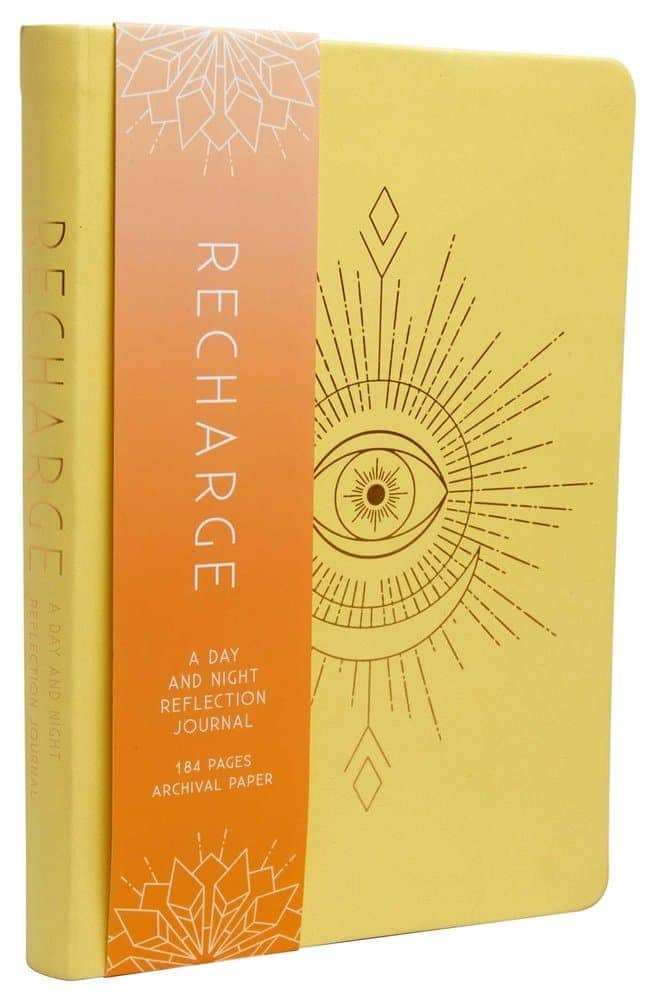
Recharge Journal by Insight Editions
Recharge your energy and avoid burnout with a simple daily routine that actually fits your life.
Did you know? By buying from Bookshop.org, you help support independent bookstores.
RELATED POST: 13 Things That Secretly Trigger Highly Sensitive People
10. You Think Success Requires Becoming Someone Else
If I’m honest, I think this has been the biggest lesson of all.
For years, I believed I needed to become less sensitive if I wanted to succeed.
- More outgoing.
- More confident.
- Less emotional.
- Less affected by criticism.
- Less… me.
I admired people who seemed fearless.
- Who could network effortlessly.
- Who weren’t bothered by rejection.
- Who always seemed certain of themselves.
I thought that was the version of myself I needed to become. But the more I’ve grown, the more I’ve come to realize something surprising.
The qualities that have helped me most haven’t come from pretending to be someone else. They’ve come from embracing who I already am.
- My thoughtfulness helps me create meaningful work.
- My empathy helps me connect with people.
- My curiosity keeps me learning.
- My sensitivity allows me to notice things others often miss.
The goal was never to become less sensitive. The goal was to stop believing that sensitivity and success couldn’t exist together.
What Finally Changed for Me
I wish I could tell you there was one moment when everything clicked. There wasn’t.
It happened slowly.
- I started trusting myself a little more.
- I stopped waiting until I felt fearless.
- I accepted that criticism was part of putting myself out into the world.
- I began protecting my energy instead of feeling guilty for needing rest.
And perhaps most importantly, I stopped comparing my journey to people with completely different personalities.
I realized I didn’t need to build success the way everyone else did. I simply needed to build it in a way that worked for me.
RELATED POST: 12 Things Highly Sensitive People Need to Be Truly Happy
Success Doesn’t Have to Look Loud
One thing I’ve noticed is that the world often celebrates a very specific kind of success.
- The loudest person in the room.
- The person who’s constantly networking.
- Always busy.
- Always visible.
- Always “on.”
But that’s only one version of success.
- There are quiet leaders too.
- Thoughtful creators.
- Compassionate entrepreneurs.
- Excellent listeners.
- People who make an enormous difference without needing to be the center of attention.
I’ve stopped trying to fit someone else’s definition of what success should look like.
Instead, I’ve started asking myself a different question:
What kind of success would actually make me happy?
That question changed everything.
Final Thoughts
If you’re a highly sensitive person who’s ever wondered why success seems harder for you than it does for other people, I hope you know this:
- You’re not imagining it.
- Your sensitivity can create unique challenges.
- You may doubt yourself more.
- Overthink more.
- Fear criticism more.
- Care too much about disappointing people.
- Need more recovery time.
But none of those things mean you’re incapable of success.
In fact, many of the qualities that can make success feel harder are also the qualities that can make your work exceptional.
- Your empathy.
- Your creativity.
- Your attention to detail.
- Your ability to connect deeply with others.
- Your thoughtfulness.
The challenge isn’t getting rid of those qualities. It’s learning not to let the difficult parts overshadow the strengths.
Looking back, I don’t think my biggest obstacle was being highly sensitive. My biggest obstacle was believing that someone like me couldn’t be successful.
Now I know better.
Success doesn’t belong only to the loudest, boldest, or most confident people. Sometimes it belongs to the quiet person who keeps showing up, even when they’re doubting themselves.
And if you’re reading this, I hope that person is you.
*This article is for informational and educational purposes only and should not be considered a substitute for professional mental health advice. If you are experiencing emotional distress or mental health challenges, please seek guidance from a licensed therapist or mental health professional.
Bas, Sharell et al. “Experiences of Adults High in the Personality Trait Sensory Processing Sensitivity: A Qualitative Study.” Journal of clinical medicine vol. 10,21 4912. 24 Oct. 2021, doi:10.3390/jcm10214912. Adapted and used under the terms of the Creative Commons Attribution 4.0 International License.
Branjerdporn, Grace et al. “Sensory sensitivity and its relationship with adult attachment and parenting styles.” PloS one vol. 14,1 e0209555. 9 Jan. 2019, doi:10.1371/journal.pone.0209555. Adapted and used under the terms of the Creative Commons Attribution 4.0 International License.
Drndarević, Nikola et al. “Sensory-Processing Sensitivity and Pathways to Depression and Aggression: The Mediating Role of Trait Emotional Intelligence and Decision-Making Style-A Pilot Study.” International journal of environmental research and public health vol. 18,24 13202. 15 Dec. 2021, doi:10.3390/ijerph182413202. Adapted and used under the terms of the Creative Commons Attribution 4.0 International License.
Fischer, K., et al. “The role of sensory processing sensitivity in the longitudinal associations between relationship qualities with parents and peers and externalizing behavior in adolescence.” Journal of Social and Personal Relationships, 39 (8), 2549-2571, 2022, https://doi.org/10.1177/02654075221083962. Adapted and used under the Creative Commons Attribution 4.0 International License.
Greven, Corina U. et al. "Sensory Processing Sensitivity in the context of Environmental Sensitivity: A critical review and development of research agenda." Neuroscience & Biobehavioral Reviews, vol. 98, 2019, pp. 287-305, ISSN 0149-7634, https://doi.org/10.1016/j.neubiorev.2019.01.009. Adapted and used under the Creative Commons Attribution 4.0 International License.
, & . "Therapists' lived experiences of identifying with sensory processing sensitivity: A phenomenological inquiry." Counselling and Psychotherapy Research, 00, 1–11, 2024, https://doi.org/10.1002/capr.12857. Adapted and used under the Creative Commons Attribution 4.0 International License.
Turjeman-Levi, Y., & Kluger, A. N. "Sensory-processing sensitivity versus the sensory-processing theory: Convergence and divergence." Frontiers in Psychology, vol. 13, 2022, article 1010836. doi: 10.3389/fpsyg.2022.1010836. Adapted and used under the Creative Commons Attribution 4.0 International License.

Malin, co-founder of Courier Mind, is passionate about personal growth and mindset. With a focus on self-discovery and goal-setting, she creates content that inspires confidence, balance, and growth for the mind and spirit.