

15 Best and Worst Jobs for Highly Sensitive People
One of the biggest mistakes I made early in my career was assuming that if a job looked good on paper, it would automatically be a good fit for me.
I focused on things like salary, opportunities, and what other people thought I should be doing.
What I didn’t consider was something much more important:
How did the job make me feel?
As a highly sensitive person, I’ve learned that my work environment affects me just as much as the work itself.
Too much noise, constant interruptions, high-pressure situations, or conflict can leave me completely drained. On the other hand, meaningful work, supportive colleagues, and enough space to focus can bring out the very best in me.
Over the years, I’ve realized something else, too. Being highly sensitive doesn’t mean you’re limited in what you can do.
It simply means you’re likely to thrive in different environments than someone whose nervous system processes the world differently.
So, if you’ve ever wondered whether your career is working with your sensitivity—or constantly against it—this list of the best and worst jobs for highly sensitive people might help.
This post contains affiliate links, which means we may earn a commission if you purchase through our links—at no extra cost to you. As an Amazon Associate we earn from qualifying purchases. We only recommend products we use or trust. Learn more about affiliate marketing or read our full disclosure.
What Makes a Job a Good Fit for a Highly Sensitive Person?
Before jumping into specific careers, I think it’s important to remember that no job is automatically “perfect” or “terrible.”
Found this helpful? Pin it for later so you can come back anytime.
I’ve met highly sensitive people who love teaching. Others couldn’t imagine doing it. Some thrive in healthcare. Others find it emotionally overwhelming.
For me, the question isn’t:
Is this job good for highly sensitive people?
It’s:
Does this job match the way my nervous system works?
In general, many highly sensitive people do well in environments that offer:
- Meaningful work
- Respectful communication
- Some level of autonomy
- Opportunities to focus deeply
- A healthy work-life balance
- Less constant overstimulation
With that in mind, here are the careers that often suit highly sensitive people—and a few that may be more challenging.
If you want to better understand how sensitivity affects the way you experience work and everyday life, The Highly Sensitive Person by Elaine N. Aron (available on Bookshop.org) is a great place to start. It can help you understand your needs more clearly and recognize the environments where you’re most likely to thrive.
book tip

The Highly Sensitive Person
By Elaine N. Aron, Ph.D.
Do you often feel overwhelmed by sights, sounds, or emotions that others seem to handle easily?
Did you know? When you buy through Bookshop.org, you’re helping support independent bookstores.
1. Writer – One of the Best
I might be a little biased because I love writing, but it genuinely feels like a natural fit for many highly sensitive people.
Writing gives us time to think deeply before expressing ourselves. It gives us the quiet space to create.
And many of us find real meaning in helping others through our words.
Whether it’s blogging, copywriting, journalism, or writing books, this is a career where sensitivity can become a real strength.
2. Therapist or Counselor – One of the Best
Many highly sensitive people are excellent listeners. We’re often naturally empathetic and genuinely interested in understanding other people.
Of course, healthy boundaries are incredibly important in this profession. Without them, it’s easy to carry other people’s emotions home with you.
3. Graphic Designer – One of the Best
If you’ve always noticed beauty, details, colors, and aesthetics, creative work may feel deeply satisfying.
Graphic design offers a balance of creativity and focused work that many HSPs enjoy.
RELATED POST: The Benefits of Being a Highly Sensitive Person No One Talks About
4. Photographer – One of the Best
I’ve always felt that highly sensitive people notice beauty that others sometimes overlook.
Photography gives you the chance to slow down, observe, and capture meaningful moments. For many HSPs, that’s incredibly rewarding.
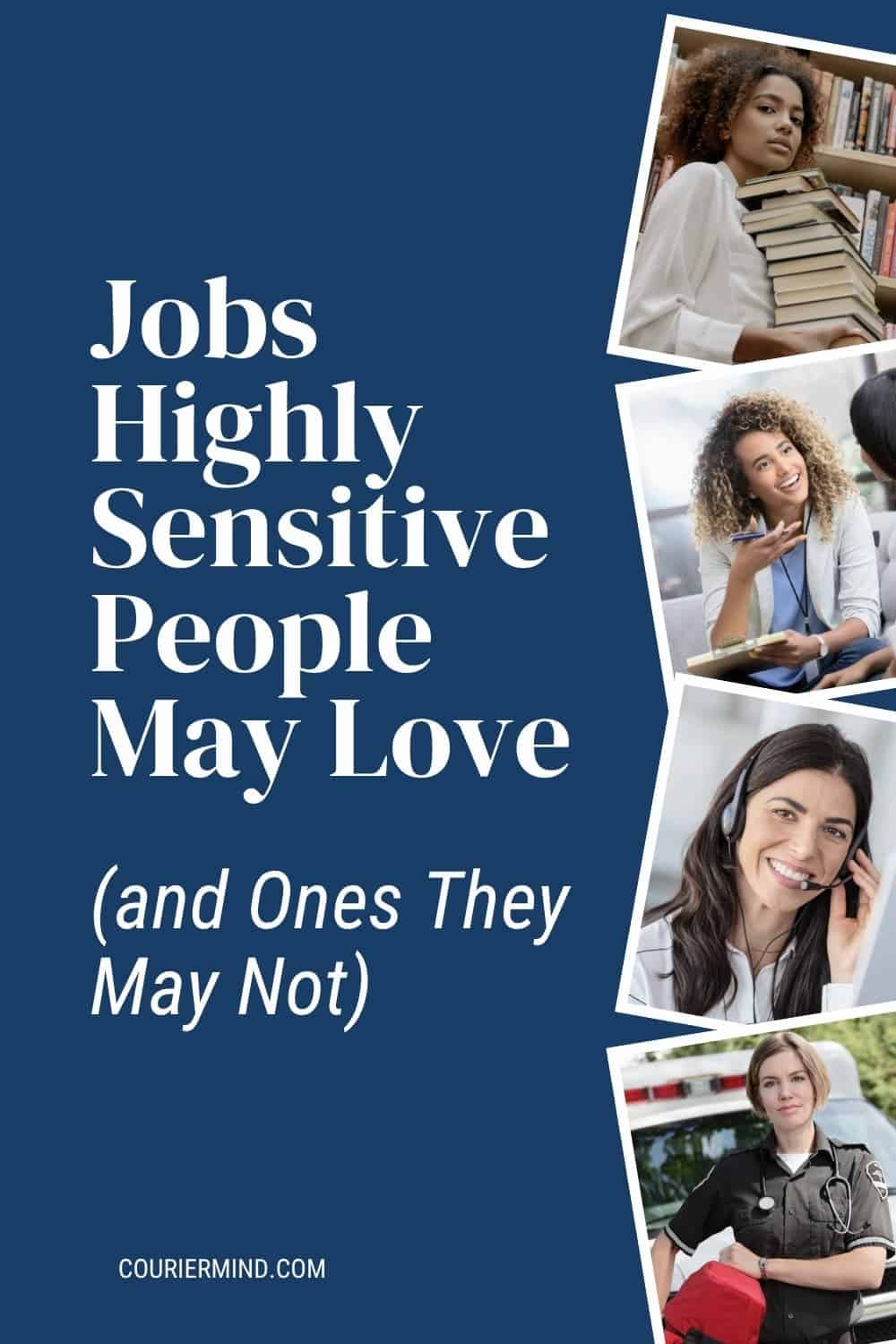
5. Librarian – One of the Best
- Quiet environment.
- Meaningful work.
- Helping people.
- Books.
Honestly, it’s easy to see why many highly sensitive people enjoy this career.
6. Occupational Therapist or Speech Therapist – One of the Best
These roles combine helping others with thoughtful, one-on-one interactions.
Many HSPs enjoy work where they can make a genuine difference without being surrounded by constant chaos.
Found this helpful? Pin it for later so you can come back anytime.
7. Researcher – One of the Best
Highly sensitive people often enjoy exploring a subject deeply rather than simply skimming the surface.
Research gives curiosity, careful observation, and thoughtful analysis a chance to shine.
RELATED POST: Are You an HSP, Introvert, Empath… or All Three?
8. Teacher – It Depends
This one is interesting.
Many highly sensitive people become wonderful teachers because they genuinely care about helping their students.
The challenge isn’t usually the teaching itself.
- It’s the noise.
- The constant social interaction.
- The emotional demands.
Some HSPs absolutely thrive here. Others find it exhausting.
If you’re highly sensitive and introverted, Quiet by Susan Cain (available on Bookshop.org) is a fascinating read about the strengths quieter people bring to environments that often reward being outgoing. It’s especially helpful if you’ve ever wondered whether you need to change who you are to succeed in a people-focused career.
book tip

Quiet
By Susan Cain
This book reveals the surprising power of introverts and how they quietly make a big impact in the world.
Did you know? When you buy through Bookshop.org, you’re helping support independent bookstores.
RELATED POST: 24 Signs You’re a Highly Sensitive Extrovert—and How to Thrive
9. Nurse – It Depends
I’ve met highly sensitive nurses who are extraordinary at what they do. Their compassion can help patients feel genuinely seen and cared for.
But healthcare can also be emotionally and physically demanding.
Long shifts, emergencies, and constant stimulation can become overwhelming without strong self-care.
RELATED POST: 13 Things That Secretly Trigger Highly Sensitive People
10. Entrepreneur – Surprisingly Good
At first glance, entrepreneurship may seem like a strange recommendation. It can certainly be stressful.
But it also offers something many HSPs value:
Freedom.
Being able to create your own schedule, work environment, and pace can make a huge difference. It’s one of the reasons many highly sensitive people eventually choose self-employment.
11. Customer Service – Often Challenging
This is one I personally think many highly sensitive people struggle with.
- Constant interruptions.
- Upset customers.
- High call volumes.
- Little control over your environment.
It’s not impossible for an HSP—but it can be emotionally draining.
RELATED POST: How to Deal With Criticism as a Highly Sensitive Person
12. High-Pressure Sales – Often Challenging
Some people absolutely love sales. Personally, I find it exhausting.
Many highly sensitive people find aggressive environments, constant performance pressure, and frequent rejection difficult to deal with.
If your success depends on hearing “no” dozens of times a day, it can take an emotional toll.
RELATED POST: 9 Ways Highly Sensitive People Can Overcome Fear of Rejection
13. Emergency Services – Often Challenging
- Police officers.
- Paramedics.
- Emergency dispatchers.
These careers require incredible resilience and the ability to make quick decisions under pressure. Some highly sensitive people do excel in them.
But the emotional intensity and constant adrenaline can be difficult for many HSP nervous systems over the long term.
14. Busy Restaurant Work – Often Challenging
- Fast-paced kitchens.
- Loud environments.
- Multiple conversations.
- Constant multitasking.
I’ve always admired people who can thrive in this kind of environment because I know I probably couldn’t.
For many highly sensitive people, it’s simply too much stimulation all at once.
15. Jobs With Constant Conflict – Often Challenging
For me, this matters more than the actual job title.
Whether it’s a toxic workplace, aggressive management, or constant confrontation, prolonged conflict can slowly wear down a highly sensitive person.
I’ve learned that the people you work with often matter just as much as the work itself.
If you tend to absorb the moods and emotions of the people around you, The Empath’s Survival Guide by Judith Orloff (available on Bookshop.org) may be worth reading. It offers practical ideas for protecting your energy and creating healthier boundaries when other people’s emotions start to feel overwhelming.
book tip
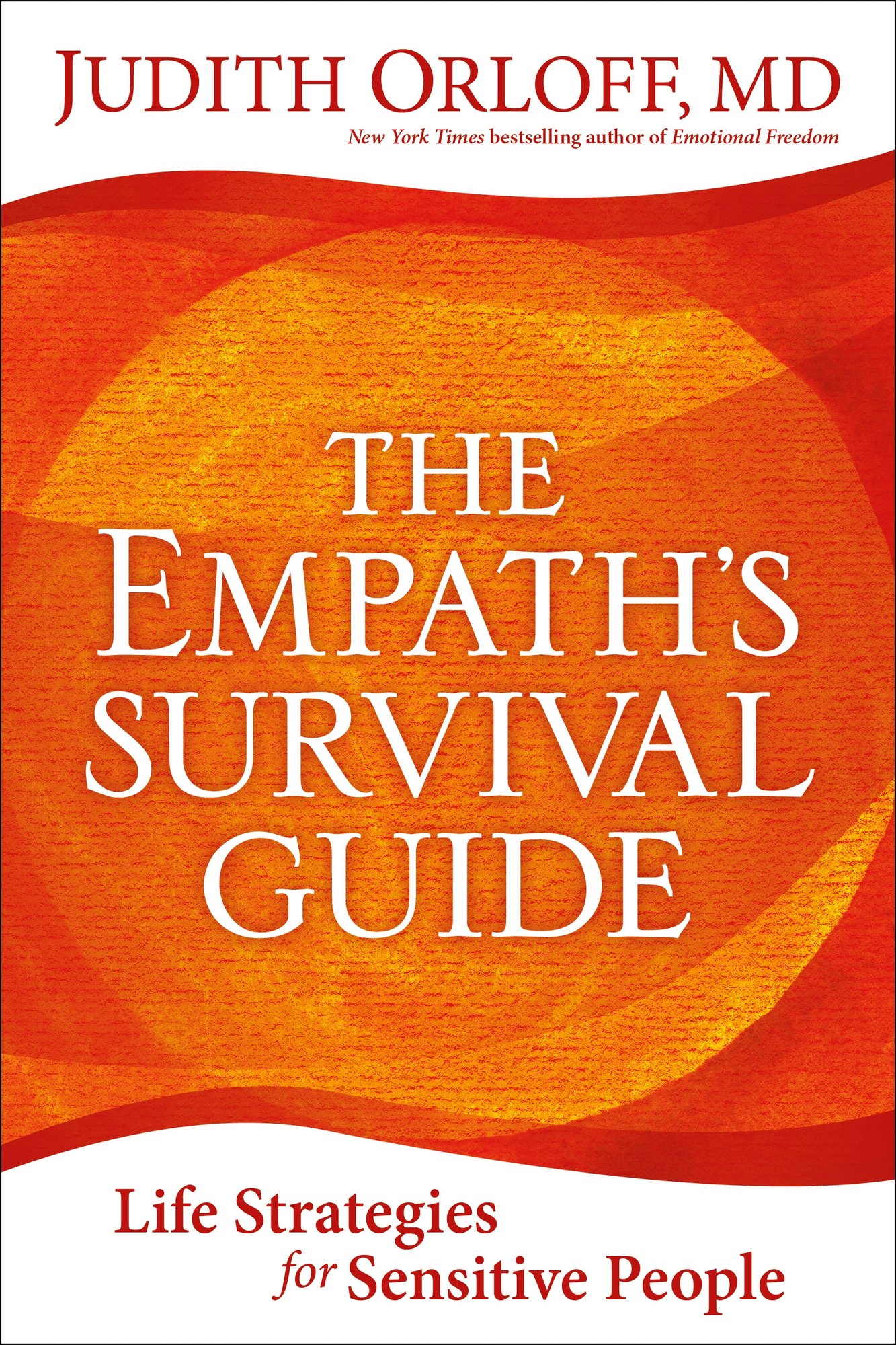
The Empath’s Survival Guide
By Judith Orloff, MD
Do you ever feel drained after being around certain people? Or overwhelmed by emotions that don’t even feel like your own?
Did you know? When you buy through Bookshop.org, you’re helping support independent bookstores.
RELATED POST: How Highly Sensitive People Can Thrive in an Insensitive World
What I’ve Learned About Choosing a Career
One of the biggest mindset shifts I’ve had is realizing that success isn’t just about what you achieve. It’s also about how you feel while achieving it.
I used to think I needed to push myself into environments that constantly overwhelmed me because that was what “successful” people did.
Now I ask different questions.
- Do I have enough quiet time to focus?
- Do I enjoy the people I work with?
- Can I recover after work?
- Does this job leave me feeling fulfilled more often than depleted?
Those questions have led me toward much healthier decisions.
If you’d like to explore your own sensitivity more deeply, The Highly Sensitive Person’s Workbook by Elaine N. Aron (available on Amazon) is a helpful companion. The exercises encourage you to reflect on how sensitivity affects different areas of your life and what you need to feel more comfortable and fulfilled.
RELATED POST: 9 Myths About Highly Sensitive People You May Still Believe
Your Environment Matters More Than You Think
Here’s something I wish someone had told me years ago.
Two people can have exactly the same job title and completely different experiences.
- One teacher works in a supportive school. Another works in constant chaos.
- One writer has complete creative freedom. Another works under impossible deadlines.
- One therapist has healthy boundaries. Another experiences burnout.
Sometimes, changing your environment matters far more than changing your career.
RELATED POST: Could You Be a Highly Sensitive Introvert? These Clues Say Yes
Don’t Choose a Career Based on Fear
I also think it’s important to say this. Being highly sensitive doesn’t mean you should avoid every challenging job.
Sometimes I see articles suggesting HSPs should only work in quiet libraries or cozy cafés. But life isn’t that simple.
Sensitivity isn’t a limitation. It’s simply information. It tells you what helps you thrive and what drains your energy.
You can absolutely be successful in a demanding career. You’ll probably just need to be more intentional about rest, boundaries, and recovery.
The Right Career Should Work With Your Sensitivity
Looking back, I don’t think I’ve ever been happiest because of a particular job title.
I’ve been happiest when I felt like I could be myself.
- When I wasn’t pretending to enjoy constant chaos.
- When I didn’t feel guilty for needing quiet.
- When my work felt meaningful.
- When I had enough energy left to enjoy my life outside of work.
Those things matter far more than impressing other people.
RELATED POST: Why Some Highly Sensitive People Choose Not to Have Children
Final Thoughts
If you’re a highly sensitive person trying to figure out the right career, my biggest piece of advice is this:
Stop asking what you should do. Start asking where you’ll thrive.
For years, I compared myself to people who seemed to have endless energy for busy offices, packed schedules, and high-pressure environments.
Eventually, I realized I wasn’t failing. I simply had different needs.
Once I stopped fighting my sensitivity, I started making career decisions that actually supported the kind of life I wanted to build.
And that’s made all the difference.
Your sensitivity doesn’t have to hold you back professionally. In many ways, it can become one of your greatest strengths. You just have to find an environment where those strengths have room to shine.
Because the best job isn’t necessarily the one with the highest salary or the most impressive title.
It’s the one that allows you to do meaningful work without constantly feeling like you’re working against yourself.
*This article is for informational and educational purposes only and should not be considered a substitute for professional mental health advice. If you are experiencing emotional distress or mental health challenges, please seek guidance from a licensed therapist or mental health professional.
Aron, Elaine, Ph.D. “The Highly Sensitive Person.” Highly Sensitive Person, https://hsperson.com/. Accessed 9 June 2023.
Golonka, K., & Gulla, B. "Individual Differences and Susceptibility to Burnout Syndrome: Sensory Processing Sensitivity and Its Relation to Exhaustion and Disengagement." Frontiers in Psychology, vol. 12, 2021, article 751350, doi: 10.3389/fpsyg.2021.751350. Adapted and used under the Creative Commons Attribution 4.0 International License.
Wright, Stacey. “Best Careers for Highly Sensitive People and Introverts.” Healthy HSP, https://www.healthyhsp.com/sensitive-introvert-blog/careers-for-highly-sensitive-people-and-introverts.

Malin, co-founder of Courier Mind, is passionate about personal growth and mindset. With a focus on self-discovery and goal-setting, she creates content that inspires confidence, balance, and growth for the mind and spirit.