


27 Highly Sensitive Person Signs You Shouldn’t Ignore
For most of my life, I thought I was simply “too sensitive.”
I was the person who noticed when someone seemed a little upset, even when nobody else did. Loud environments left me exhausted. I needed time alone after social events, even when I’d had a wonderful time.
Movies, music, and beautiful moments moved me deeply, while criticism stayed with me much longer than I wanted it to. For years, I assumed everyone experienced the world this way.
Then I discovered the concept of the Highly Sensitive Person (HSP), and suddenly, so many pieces of my life began to make sense.
If you’ve ever wondered whether you’re highly sensitive, these highly sensitive person signs may help you understand yourself a little better. You don’t need to relate to every sign, but if you find yourself nodding along to many of them, you may have a naturally sensitive nervous system.
And contrary to what many people believe, that’s not a weakness—it’s simply a different way of experiencing the world.
This post contains affiliate links, which means we may earn a commission if you purchase through our links—at no extra cost to you. As an Amazon Associate we earn from qualifying purchases. We only recommend products we use or trust. Learn more about affiliate marketing or read our full disclosure.
What Is a Highly Sensitive Person?
The term Highly Sensitive Person (HSP) was introduced by psychologist Dr. Elaine Aron, who began researching high sensitivity in the 1990s.
Found this helpful? Pin it for later so you can come back anytime.
It describes someone who tends to process experiences deeply and is more sensitive to subtle changes in their environment.
You might notice shifts in people’s moods, feel overwhelmed by loud or busy surroundings, or need more quiet time to recharge after a stimulating day.
Being highly sensitive isn’t a weakness or something that needs to be fixed. It’s simply a different way of experiencing and processing the world. And while every highly sensitive person is different, certain traits tend to appear again and again.
If you want to learn more about high sensitivity and what it can look like in everyday life, The Highly Sensitive Person by Dr. Elaine Aron (available on Bookshop.org) is a great place to start. Written by the psychologist who introduced the HSP concept, it explores why some people experience the world more intensely and how to work with that sensitivity rather than against it.
book tip

The Highly Sensitive Person
By Elaine N. Aron, Ph.D.
Do you often feel overwhelmed by sights, sounds, or emotions that others seem to handle easily?
Did you know? When you buy through Bookshop.org, you’re helping support independent bookstores.
RELATED POST: 9 Myths About Highly Sensitive People You May Still Believe
Now, let’s take a closer look at the highly sensitive person signs that may help you recognize this trait in yourself:
1. You Notice Things Other People Miss
I’ve always been the person who picks up on small details.
- A slight change in someone’s tone of voice.
- A different expression on their face.
- The atmosphere in a room.
While other people might overlook these things, they tend to stand out to me almost immediately.
2. You’re Sensitive to Other People’s Emotions
If someone close to you is stressed, upset, or anxious, you may notice it quickly—and their mood can affect you more deeply than you expect.
Highly sensitive people often pick up on subtle emotional cues, such as changes in someone’s tone of voice, facial expression, or behavior.
Sometimes, you may even need a little space to separate what you’re feeling from the emotions of the people around you.
RELATED POST: Empath vs. Highly Sensitive: The Difference Most People Miss
3. Loud Places Drain You
- Concerts.
- Busy shopping centers.
- Crowded restaurants.
Even when I’m having a good time, too much noise eventually leaves me feeling mentally exhausted.
RELATED POST: 13 Things That Secretly Trigger Highly Sensitive People
4. You Need Quiet to Recharge
After a busy day, the last thing I usually want is more stimulation.
- I want silence.
- A walk.
- A book.
- A cup of tea.
Some people recharge by spending time with others. Many highly sensitive people recharge by stepping away from stimulation altogether.
RELATED POST: 24 Signs You’re a Highly Sensitive Extrovert—and How to Thrive
5. Criticism Hits You Hard
Even gentle feedback can stay with you longer than you’d like. It’s not because you can’t handle criticism. It’s because you naturally process it deeply.
I’ve learned that this is something many HSPs have in common.
RELATED POST: How to Deal With Criticism as a Highly Sensitive Person
6. You Think Deeply About Everything
Have you ever replayed a conversation hours after it happened?
Or spent days thinking through a single decision?
This tendency to reflect deeply is one of the defining characteristics of highly sensitive people.
If your mind is always processing thoughts, conversations, and experiences, Mindfulness: A Day and Night Reflection Journal by Insight Editions (available on Bookshop.org) can give all that reflection somewhere to go. Its guided prompts offer a simple way to slow down, check in with yourself, and become more aware of what you’re thinking and feeling.
Find Your Focus
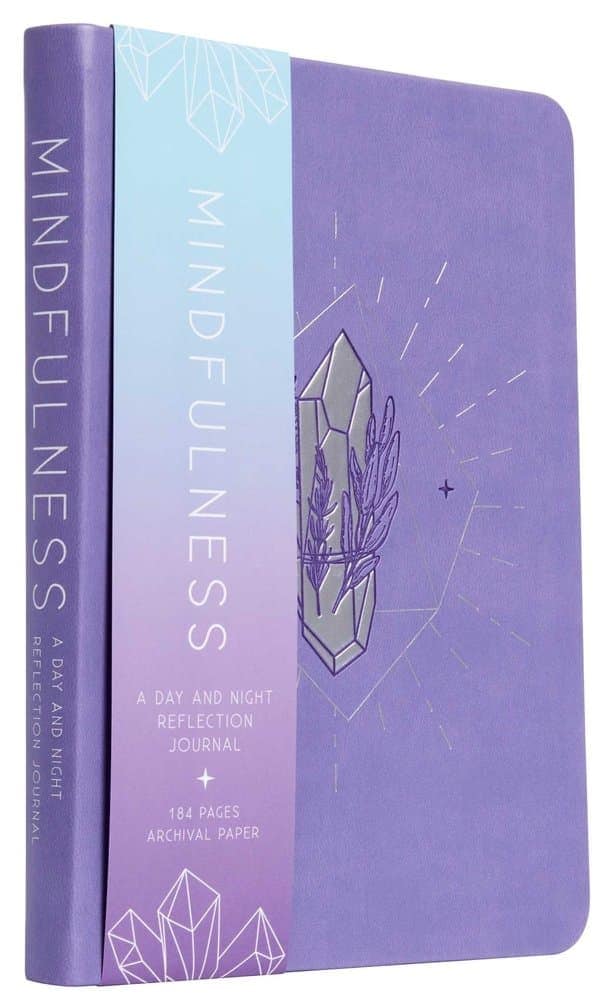
Mindfulness Journal by Insight Editions
Feel calmer and more focused in just a few minutes a day with this simple guided mindfulness journal.
Did you know? By buying from Bookshop.org, you help support independent bookstores.
7. You Get Overwhelmed More Easily
When too many things are happening at once, your brain may simply say:
That’s enough.
Busy schedules, constant notifications, and multitasking can become mentally exhausting much faster than they seem to for other people.
8. You’re Very Conscientious
One thing I’ve noticed about myself is that I genuinely want to do things well. Whether it’s work, relationships, or even replying to a message, I care.
Sometimes a little too much.
RELATED POST: The Success Challenges Most Highly Sensitive People Don’t See Coming
9. You’re Easily Moved by Beauty
- A beautiful sunset.
- An incredible piece of music.
- A meaningful conversation.
These moments don’t just make you smile. They stay with you.
Found this helpful? Pin it for later so you can come back anytime.
10. You Need Time Before Making Big Decisions
I’ve never been someone who enjoys making rushed decisions. I like to think things through.
While that can sometimes lead to overthinking, it also means I rarely make impulsive choices.
11. You Pick Up on Unspoken Tension
Have you ever walked into a room and immediately sensed that something felt “off”?
Many highly sensitive people pick up on emotional undercurrents long before anyone says a word.
12. You’re Easily Startled
- Unexpected loud noises.
- Someone walking into the room without you noticing.
- Your phone suddenly ringing.
These things can trigger a much stronger reaction in you than they seem to in other people.
13. You Need Recovery Time After Busy Days
Even positive experiences can require some recovery time.
After traveling, hosting guests, or attending a celebration, I usually need a quieter day afterward.
Not because I didn’t enjoy it. Because my nervous system needs time to reset.
If you’re still figuring out what leaves you feeling drained and what genuinely helps you recover, Recharge: A Day and Night Reflection Journal by Insight Editions (available on Bookshop.org) can help you pay closer attention to those patterns. It’s a simple way to reflect on your energy, stress, and the habits that help you feel more like yourself again.
recharge your energy
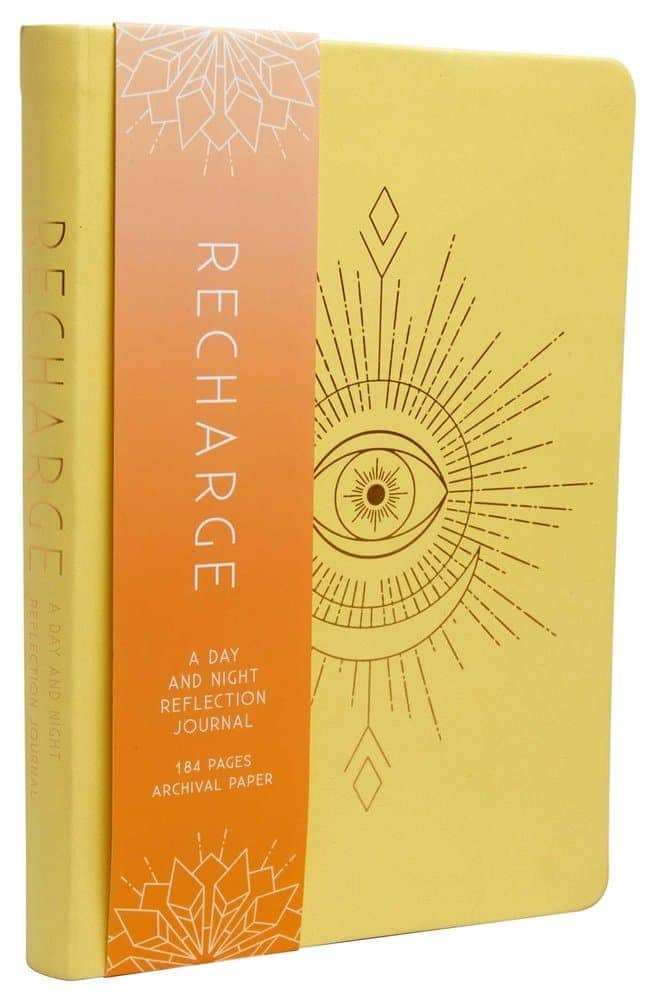
Recharge Journal by Insight Editions
Recharge your energy and avoid burnout with a simple daily routine that actually fits your life.
Did you know? By buying from Bookshop.org, you help support independent bookstores.
14. You Care Deeply About Others
Compassion often comes naturally to highly sensitive people. You genuinely want others to feel heard, supported, and understood.
RELATED POST: The 10 Biggest Relationship Challenges for Highly Sensitive People
15. You Overthink Small Mistakes
Have you ever suddenly remembered something embarrassing you did years ago?
Me too. Highly sensitive people often replay situations in their minds far longer than they’d like.
16. You Dislike Conflict
Arguments don’t just feel uncomfortable. They can linger emotionally long after they’re over.
I don’t avoid conflict because I’m weak. I avoid it because my mind continues processing it afterward.
RELATED POST: 9 Ways Highly Sensitive People Can Overcome Fear of Rejection
17. You’re Very Aware of Your Surroundings
- Lighting.
- Temperature.
- Background music.
- Strong smells.
I’ve learned that these small environmental details affect me far more than they seem to affect many other people.
RELATED POST: 15 Best and Worst Jobs for Highly Sensitive People
18. You Have a Rich Inner World
Highly sensitive people often spend a lot of time thinking, imagining, reflecting, and making connections.
Being alone doesn’t necessarily feel lonely. Sometimes, it feels peaceful.
RELATED POST: Are You an HSP, Introvert, Empath… or All Three?
19. You Value Meaningful Conversations
Small talk has its place. But nothing energizes me quite like a genuine conversation where people feel comfortable enough to be themselves.
RELATED POST: Could You Be a Highly Sensitive Introvert? These Clues Say Yes
20. You’re Often Called “Too Sensitive”
If you’re reading this article, there’s a good chance you’ve heard those words before. I know I have.
Ironically, hearing them often says more about someone else’s expectations than it does about who you are.
RELATED POST: How Highly Sensitive People Can Thrive in an Insensitive World
21. You Notice When Someone’s Words and Behavior Don’t Match
Highly sensitive people often notice inconsistencies between what someone says and how they behave.
We’re not mind readers, of course, but we do tend to pick up on subtle cues that others might overlook.
22. You Appreciate Time Alone
Solitude isn’t something to fear. For many HSPs, it’s a chance to recharge, think clearly, and reconnect with ourselves.
RELATED POST: 12 Things Highly Sensitive People Need to Be Truly Happy
23. You Feel Deeply Connected to Nature
One of the places where I feel most at peace is outside.
Whether it’s walking through a forest, sitting by the sea, or simply listening to birds, nature has a calming effect that’s hard to explain.
24. You’re Hard on Yourself
This is probably the sign I still work on the most. Many highly sensitive people set incredibly high standards for themselves.
We often extend endless compassion to others while forgetting to offer ourselves that same kindness.
If giving yourself the same kindness you give everyone else doesn’t come naturally, Self-Compassion by Dr. Kristin Neff (available on Bookshop.org) is worth reading. It explores how to respond to your own struggles with greater kindness and understanding instead of constantly judging yourself.
book tip

Self-Compassion
By Dr. Kristin Neff
Ever notice how harshly we can treat ourselves — and wonder if it’s holding us back?
Did you know? When you buy through Bookshop.org, you’re helping support independent bookstores.
25. You Need Healthy Boundaries
Because highly sensitive people take in so much from their environment, boundaries aren’t selfish. They’re essential.
I’ve learned that protecting my energy allows me to show up as a better friend, partner, and person.
RELATED POST: Why Some Highly Sensitive People Choose Not to Have Children
26. You Feel Things Deeply—Both the Good and the Bad
People often focus on the challenges that come with being highly sensitive.
But there’s another side to it.
- Joy feels deeper.
- Love feels richer.
- Gratitude feels more powerful.
Sensitivity isn’t only about pain. It’s also about experiencing life’s beautiful moments more intensely.
RELATED POST: The Benefits of Being a Highly Sensitive Person No One Talks About
27. You’ve Always Felt a Little Different
This may be the biggest sign of all.
Before I knew what a highly sensitive person was, I often felt as though I experienced the world differently from the people around me.
- Not better.
- Not worse.
- Just… differently.
Learning about high sensitivity didn’t change who I was. It simply gave me the language to understand myself.
RELATED POST: 11 Highly Sensitive Person Traits That Make You Different
What If You Recognized Yourself in These Signs?
If many of these highly sensitive person signs felt familiar, you may be a highly sensitive person.
And if that’s the case, I want you to know something I wish I’d understood much earlier:
You don’t need to “fix” your sensitivity.
For a long time, I believed I needed thicker skin. I thought becoming less emotional would somehow make life easier.
Now, I see things differently.
My sensitivity helps me connect deeply with people, appreciate beauty, notice details others miss, and approach life with empathy and thoughtfulness.
Of course, it also means I have to be intentional about rest, boundaries, and self-care. But that’s not a flaw. It’s simply part of understanding how I work.
If you’ve recognized yourself in many of these signs and want to understand your sensitivity on a deeper level, The Highly Sensitive Person’s Workbook by Dr. Elaine Aron (available on Amazon) is a helpful next step. It gives you practical exercises for exploring how high sensitivity shows up in your own life and learning how to work with it.
Final Thoughts
Reading about highly sensitive people was one of those rare moments when I felt completely understood.
Instead of asking, “What’s wrong with me?” I started asking, “How can I work with my sensitivity instead of against it?”
That small shift changed everything.
If you recognized yourself in many of these signs, I hope this article gives you the same sense of reassurance it once gave me.
Being highly sensitive doesn’t mean life is always easy. But it also doesn’t mean you’re broken, weak, or “too much.”
It means your nervous system experiences the world a little differently.
And once you understand that, you can stop trying to become someone else—and start building a life that truly supports who you already are.
*This article is for informational and educational purposes only and should not be considered a substitute for professional mental health advice. If you are experiencing emotional distress or mental health challenges, please seek guidance from a licensed therapist or mental health professional.
Acevedo, Bianca et al. “The functional highly sensitive brain: a review of the brain circuits underlying sensory processing sensitivity and seemingly related disorders.” Philosophical transactions of the Royal Society of London. Series B, Biological sciences vol. 373,1744 (2018): 20170161. doi:10.1098/rstb.2017.0161. Adapted and used under the Creative Commons Attribution 4.0 International License.
Ackermans, M.A., Jonker, N.C., Bennik, E.C., & de Jong, P.J. "Hunger increases negative and decreases positive emotions in women with a healthy weight." Appetite, vol. 168, 2022, 105746, ISSN 0195-6663, https://doi.org/10.1016/j.appet.2021.105746. Adapted and used under the Creative Commons Attribution 4.0 International License.
Aron, Elaine, Ph.D. “The Highly Sensitive Person.” Highly Sensitive Person, https://hsperson.com/. Accessed 19 June 2023.
Aron, Elaine, Ph.D. “Author’s Note, 2012, for the highly sensitive person.” Highly Sensitive Person, https://hsperson.com/pdf/Authors_note_HSPbk_Preface.pdf. Accessed 1 July 2023.
Hagen, Ingunn et al. “Promoting mental health and wellbeing in schools: the impact of yoga on young people's relaxation and stress levels.” Frontiers in psychology vol. 14 1083028. 17 May. 2023, doi:10.3389/fpsyg.2023.1083028. Adapted and used under the Creative Commons Attribution 4.0 International License.
Loebach, Janet et al. “Time Outdoors in Nature to Improve Staff Well-Being: Examining Changes in Behaviors and Motivations Among University Staff in the Use of Natural Outdoor Environments Since the Emergence of the COVID-19 Pandemic.” Frontiers in psychology vol. 13 869122. 22 Jul. 2022, doi:10.3389/fpsyg.2022.869122. Adapted and used under the Creative Commons Attribution 4.0 International License.
Park, H., Shin, D., & Lee, K.W. "Association of main meal frequency and skipping with metabolic syndrome in Korean adults: a cross-sectional study." Nutrition Journal, vol. 22, no. 24, 2023, https://doi.org/10.1186/s12937-023-00852-x. Adapted and used under the Creative Commons Attribution 4.0 International License.

Linda is the co-founder of Courier Mind and holds a Diploma in Natural Health Nutrition & Diet. Her passions include photography, personal growth, and travel, where she draws inspiration from diverse cultures and their approaches to mindset and self-discovery. She is committed to helping others set meaningful goals, overcome self-doubt, and become the best version of themselves.