

Could You Be a Highly Sensitive Introvert? These Clues Say Yes
For the longest time, I couldn’t understand why certain experiences affected me so deeply.
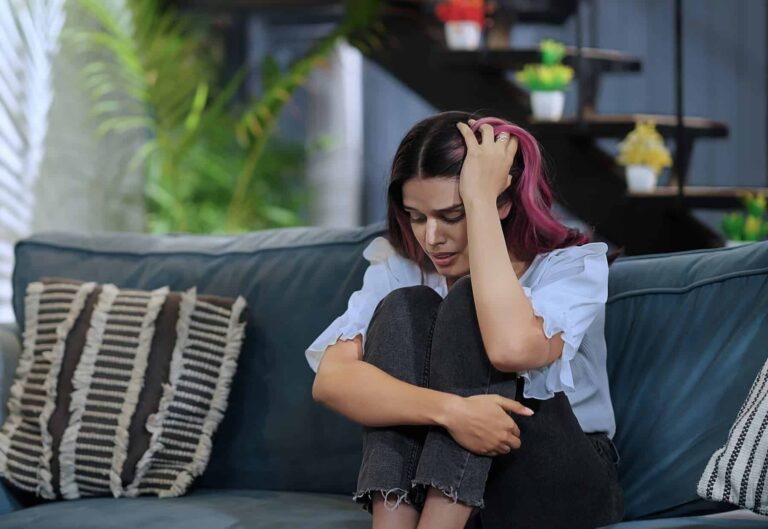
A crowded shopping center could leave me feeling completely drained. A loud restaurant made it almost impossible for me to relax. An emotional movie could stay with me for days.
And after spending time with people—even people I genuinely loved—I always needed quiet time to recharge. For years, I assumed everyone experienced life this way.
Then I came across two terms that changed everything:
- Introvert.
- Highly Sensitive Person.
The more I learned, the more I realized I wasn’t just one or the other. I was both. Suddenly, so many parts of my life finally made sense.
If you’ve ever wondered why you seem to experience the world more intensely than the people around you, you may be asking yourself the same question I once did:
Could I be a highly sensitive introvert?
Let’s explore the clues together.
This post contains affiliate links, which means we may earn a commission if you purchase through our links—at no extra cost to you. As an Amazon Associate we earn from qualifying purchases. We only recommend products we use or trust. Learn more about affiliate marketing or read our full disclosure.
What Is a Highly Sensitive Introvert?
Before we dive into the signs, it helps to understand what this term actually means.
Found this helpful? Pin it for later so you can come back anytime.

An introvert is someone who recharges by spending time alone rather than through constant social interaction.
A Highly Sensitive Person (HSP) has a nervous system that processes information more deeply than average. This personality trait, researched by psychologist Dr. Elaine Aron, means you’re often more aware of your surroundings, emotions, and subtle details than many other people.
When you combine the two, you get someone who:
- Needs quiet to recharge.
- Processes experiences deeply.
- Becomes overstimulated more easily.
- Notices things others often overlook.
Being a highly sensitive introvert isn’t a diagnosis. It’s simply a combination of personality traits.
If you’d like to learn more about high sensitivity, The Highly Sensitive Person by Dr. Elaine Aron (available on Bookshop.org) is one of the best places to start. Dr. Aron pioneered the research on Highly Sensitive People, and her book offers practical insights that can help you better understand how your mind and nervous system work.
book tip

The Highly Sensitive Person
By Elaine N. Aron, Ph.D.
Do you often feel overwhelmed by sights, sounds, or emotions that others seem to handle easily?
Did you know? When you buy through Bookshop.org, you’re helping support independent bookstores.
RELATED POST: Are You an HSP, Introvert, Empath… or All Three?
How I Realized I Was Both
For years, I thought I was simply “too sensitive.” Then I wondered if I was just introverted. But neither explanation felt complete on its own.
Yes, I loved spending time alone.
But that didn’t explain why bright lights, loud sounds, or emotionally intense situations affected me so deeply. Learning about Highly Sensitive People helped fill in the missing pieces.
When I realized I was both an introvert and an HSP, I stopped asking myself what was wrong with me. Instead, I began to understand how I was wired.
That shift brought an incredible sense of relief.
RELATED POST: Are You an Introvert or an Extrovert? The Answer Might Surprise You
Now let’s take a closer look at what it means to be a highly sensitive introvert:
1. You Love People… But Need Plenty of Time Alone
One of the biggest myths about introverts is that they don’t enjoy being around people.
That’s simply not true. I love spending time with the people I care about.
But after a few hours, I can actually feel my energy fading. It’s almost as if someone is quietly draining my internal battery.
That doesn’t mean I’m bored. Or unhappy. It simply means I need solitude to recharge.
RELATED POST: 17 Signs You’re More Introverted Than You Realize
2. Loud Places Exhaust You Faster Than Most People
- Busy restaurants.
- Shopping malls.
- Concerts.
- Large family gatherings.
Many people find these environments exciting. As a highly sensitive introvert, I often find them overwhelming after a while.
It’s not just the people.
- It’s the music.
- The conversations.
- The lights.
- The constant movement.
Everything hits at once, and my brain tries to process all of it. By the time I get home, I don’t just want quiet.
I need it.
If you’ve ever wondered why busy, noisy environments leave you feeling drained, Quiet by Susan Cain (available on Bookshop.org) is a fascinating read. It explores the strengths of introverts and explains why overstimulation can be so exhausting in a world that often rewards constant activity.
book tip

Quiet
By Susan Cain
This book reveals the surprising power of introverts and how they quietly make a big impact in the world.
Did you know? When you buy through Bookshop.org, you’re helping support independent bookstores.
3. You Notice Small Details Other People Miss
Have you ever noticed someone’s mood before they said a word?
Or picked up on a subtle change in someone’s voice that everyone else seemed to miss?
Highly sensitive introverts often notice subtle things, like:
- Changes in facial expressions.
- Background noises.
- The atmosphere in a room.
- Tiny details in nature.
- Emotional tension between people.
Sometimes it feels like your brain is quietly taking in information all the time.
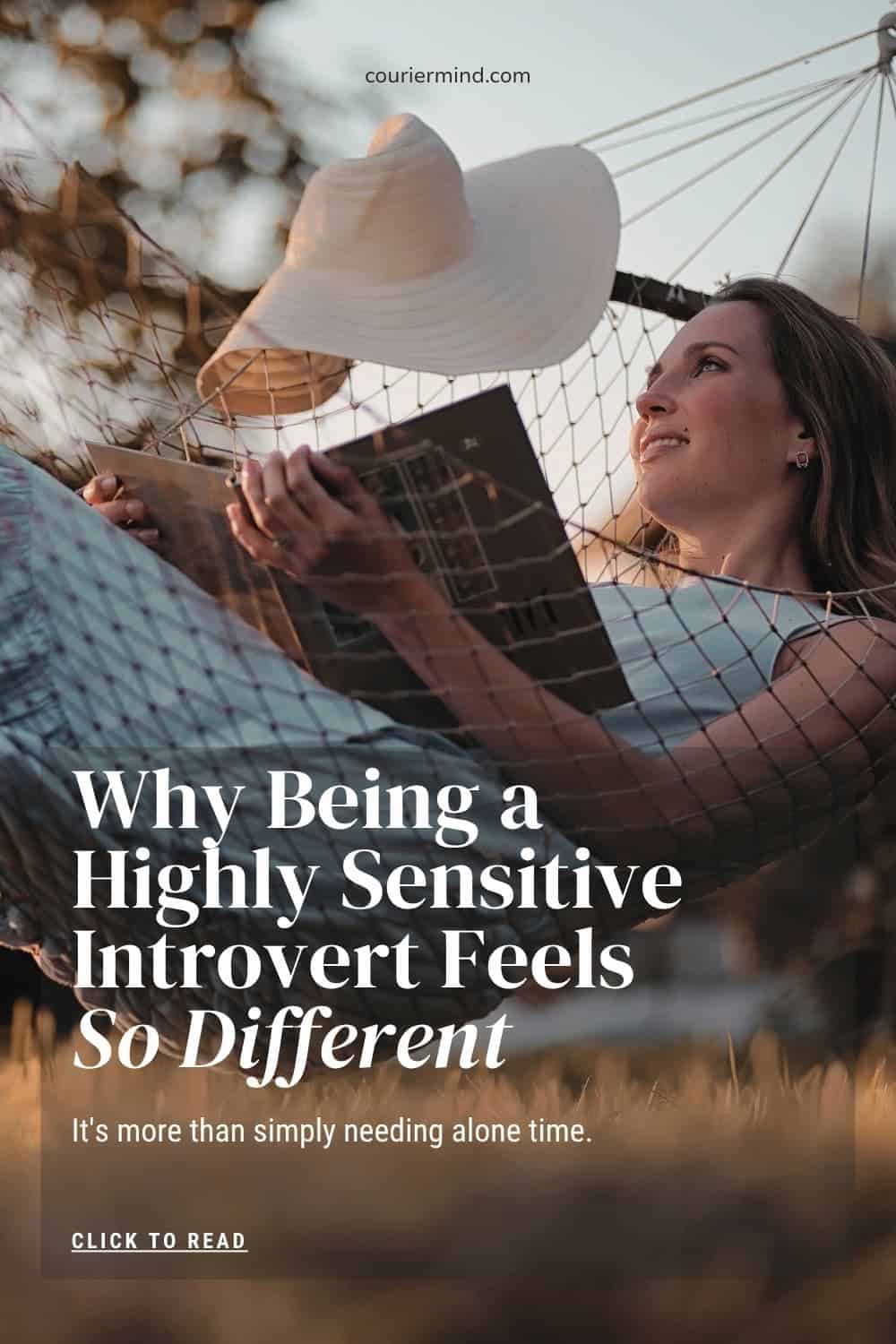
Found this helpful? Pin it for later so you can come back anytime.
4. You Feel Emotions Deeply
- Happy moments stay with you.
- Beautiful music gives you goosebumps.
- A heartfelt conversation lingers in your mind.
- Sad stories affect you long after they’re over.
For a long time, I wondered why I couldn’t simply “move on” as quickly as other people seemed to.
Now I understand that processing emotions deeply is simply part of how I experience the world.
5. You Need Quiet to Think Clearly
When life gets too busy, my thoughts become noisy too.
That’s why I treasure quiet mornings.
- Walks in nature.
- Reading.
- Writing.
Those moments aren’t just relaxing. They’re when my mind finally feels clear again.
If you constantly crave peaceful environments, your personality may simply be asking for what it needs.
6. You’d Rather Have One Deep Conversation Than Ten Small Ones
Small talk has its place. But it rarely leaves me feeling energized. Give me a conversation about dreams, books, personal growth, or life instead.
Highly sensitive introverts often crave genuine connection.
Not because they dislike people. Because deeper conversations feel far more meaningful than surface-level interaction.
RELATED POST: Why Introverts Rarely Accept Easy Answers
7. You Need More Time to Recover
After a busy weekend, many people jump straight into another one.
I often need a day to myself first.
- A quiet Sunday.
- A slow morning.
- No plans.
- No expectations.
I’ve learned not to feel guilty about that anymore.
Recovery isn’t laziness. It’s simply how I recharge.
If you’re trying to create more space to slow down and recharge, the Recharge: A Day and Night Reflection Journal by Insight Editions (available on Bookshop.org) is a simple way to build that habit. Its gentle prompts encourage you to check in with yourself and make rest a regular part of your routine.
recharge your energy
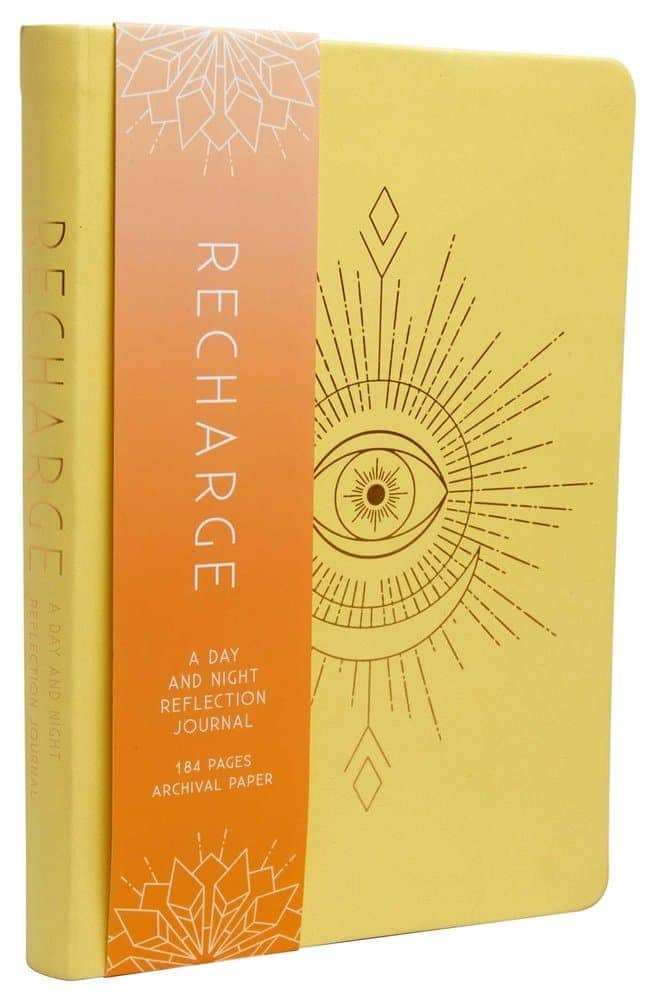
Recharge Journal by Insight Editions
Recharge your energy and avoid burnout with a simple daily routine that actually fits your life.
Did you know? By buying from Bookshop.org, you help support independent bookstores.
8. Conflict Stays With You
Even small disagreements can linger in your mind.
- You replay conversations.
- Wonder if you could have handled them differently.
- Think about how the other person might be feeling.
Highly sensitive introverts often process conflict deeply—not because they’re weak, but because their relationships matter to them.
9. You Appreciate Beauty in Ordinary Things
This might be my favorite part of being highly sensitive.
- I notice beauty everywhere.
- Rain tapping against the window.
- Morning light filtering through the trees.
- The smell of fresh coffee.
- A favorite song.
- A cozy blanket on a quiet evening.
The world often feels full of little moments that many people rush right past. Those moments bring me genuine joy.
RELATED POST: The Secret Humor of Introverts: Laughing in Our Own Way
10. You Need Healthy Boundaries
One lesson I’ve had to learn is that not every invitation deserves a yes. Not every conversation needs my energy. Not every problem belongs to me.
As a highly sensitive introvert, protecting my energy isn’t selfish. It’s necessary.
The more I honor my boundaries, the more present I can be for the people I love.
If setting boundaries doesn’t come naturally, the Switch Research Boundaries Journal (available on Amazon) can help you build that skill step by step. It’s designed to help you reflect on your limits, communicate them more confidently, and protect your energy without guilt.
RELATED POST: Can an Introvert and an Extrovert Really Be Best Friends?
The Strengths of Being a Highly Sensitive Introvert
It’s easy to focus on the challenges. But I’ve also come to appreciate the gifts.
Being highly sensitive and introverted has helped me become:
- A better listener.
- More compassionate.
- More creative.
- More observant.
- More thoughtful.
- More appreciative of life’s quiet moments.
These strengths don’t always attract attention. But they’ve become some of the qualities I value most about myself.
RELATED POST: Why These Introvert Jobs Feel More Like Freedom Than Work
What I’ve Stopped Apologizing For
I no longer apologize for:
- Needing a quiet weekend.
- Leaving a noisy event early.
- Choosing a peaceful evening over another social gathering.
- Wanting meaningful conversations instead of endless small talk.
- Taking time to process my emotions.
These aren’t flaws. They’re simply part of my personality.
The more I accept that, the happier I become.
If This Sounds Like You
Maybe you’ve spent years wondering why you felt different.
- Why life sometimes seemed louder.
- Busier.
- More emotionally intense than it seemed to be for everyone else.
Perhaps you’ve even called yourself “too sensitive.” I know I did.
Now I see it differently. I’m not too sensitive. I’m highly sensitive. And I’m introverted.
Understanding those two parts of myself didn’t change who I was. It simply helped me make sense of experiences I’d struggled to explain for years.
You Don’t Need to Become Less Sensitive
One of the biggest lessons I’ve learned is this:
The goal isn’t to become less sensitive.
The goal is to build a life that honors your sensitivity.
- Choose relationships that feel safe.
- Create peaceful routines.
- Protect your energy.
- Spend time in nature.
- Allow yourself quiet mornings.
- Rest without guilt.
The world doesn’t need you to become louder. It needs the thoughtful, compassionate perspective you already bring.
If you’re learning to embrace your sensitivity instead of fighting it, Self-Compassion by Dr. Kristin Neff (available on Bookshop.org) is a wonderful companion. It offers practical ways to quiet self-criticism and treat yourself with the same understanding you’d naturally give someone you care about.
book tip

Self-Compassion
By Dr. Kristin Neff
Ever notice how harshly we can treat ourselves — and wonder if it’s holding us back?
Did you know? When you buy through Bookshop.org, you’re helping support independent bookstores.
Final Thoughts
So, could you be a highly sensitive introvert?
If many of these clues felt familiar, there’s a good chance you might be.
If that’s the case, I hope this gives you something I wish I’d found years ago: an explanation.
- You don’t need to stop loving quiet mornings.
- You don’t need to force yourself to enjoy noisy places.
- You don’t need to pretend that everything rolls off your shoulders.
Discovering that I was both a Highly Sensitive Person and an introvert didn’t change who I was.
It helped me understand why certain environments leave me drained, why meaningful conversations matter so much to me, and why I need time alone to feel my best.
Once I understood that, I stopped trying to fit myself into someone else’s idea of how I should be. Instead, I started building a life that works with my personality instead of against it.
For me, that’s made all the difference.
*This article is for informational and educational purposes only and should not be considered a substitute for professional mental health advice. If you are experiencing emotional distress or mental health challenges, please seek guidance from a licensed therapist or mental health professional.
Aron, Elaine, Ph.D. “Author’s Note, 2012, for the highly sensitive person.” Highly Sensitive Person, https://hsperson.com/pdf/Authors_note_HSPbk_Preface.pdf. Accessed 30 July 2024.
Aron, Elaine, Ph.D. “The Highly Sensitive Person.” Highly Sensitive Person, https://hsperson.com/. Accessed 30 July 2024.
Beebe, John. "Extraversion-Introversion (Jung’s Theory)." Encyclopedia of Personality and Individual Differences, edited by Virgil Zeigler-Hill and Todd Shackelford, Springer, 2016, Cham, doi: 10.1007/978-3-319-28099-8_1073-1.
Henjum, Arnold. "Introversion: A misunderstood" individual difference" among students." Education 103.1 (1982), scholar_lookup.
Tuovinen, Sanna et al. “Introversion and Social Engagement: Scale Validation, Their Interaction, and Positive Association With Self-Esteem.” Frontiers in psychology vol. 11 590748. 30 Nov. 2020, doi:10.3389/fpsyg.2020.590748. Adapted and used under the Creative Commons Attribution 4.0 International License.

Malin, co-founder of Courier Mind, is passionate about personal growth and mindset. With a focus on self-discovery and goal-setting, she creates content that inspires confidence, balance, and growth for the mind and spirit.