

13 Things That Secretly Trigger Highly Sensitive People
For years, I couldn’t understand why certain days left me feeling completely overwhelmed while everyone else seemed perfectly fine.
- Nothing dramatic had happened.
- Nobody had been rude.
- There wasn’t a major crisis.
And yet, by the end of the day, I felt emotionally and mentally drained.
I used to think I was simply “too sensitive.” Now I understand it differently. As a highly sensitive person, my nervous system picks up on things that many people barely notice.
Sometimes the trigger is obvious—like a loud environment or a stressful conversation. But other highly sensitive person triggers can be much more subtle.
What makes it tricky is that I often don’t realize what’s affecting me until much later.
Over the years, I’ve gotten much better at recognizing my own triggers, and that awareness has made life so much easier.
If you’re a highly sensitive person too, you may recognize some of these hidden triggers.
This post contains affiliate links, which means we may earn a commission if you purchase through our links—at no extra cost to you. As an Amazon Associate we earn from qualifying purchases. We only recommend products we use or trust. Learn more about affiliate marketing or read our full disclosure.
What Does It Mean to Be a Highly Sensitive Person?
The term highly sensitive person (HSP) was popularized by psychologist Dr. Elaine Aron to describe people with a trait known as sensory processing sensitivity (SPS).
Found this helpful? Pin it for later so you can come back anytime.
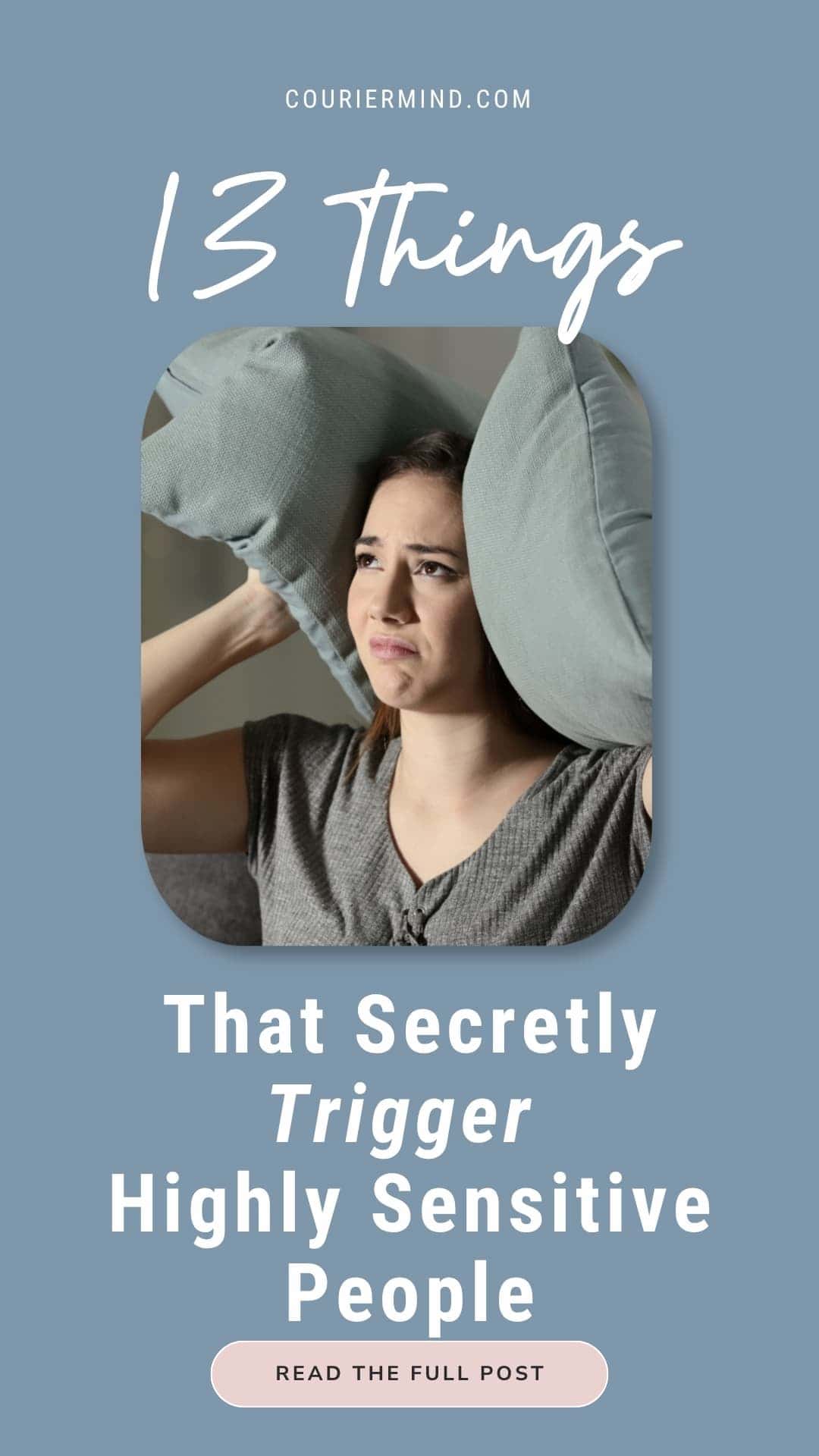
People with this trait tend to process information deeply, notice subtle changes in their surroundings, respond strongly to emotional and social cues, and become overwhelmed more easily when there is too much stimulation.
Being highly sensitive isn’t a disorder; it’s a personality trait that reflects how you process and respond to the world around you.
If you want to understand high sensitivity on a deeper level, Elaine Aron’s The Highly Sensitive Person (available on Bookshop.org) is a great place to start. It explores the trait in much more detail and offers practical guidance for navigating an often overstimulating world.
book tip

The Highly Sensitive Person
By Elaine N. Aron, Ph.D.
Do you often feel overwhelmed by sights, sounds, or emotions that others seem to handle easily?
Did you know? When you buy through Bookshop.org, you’re helping support independent bookstores.
Now, let’s look at 13 highly sensitive person triggers that can quietly leave you feeling stressed, drained, or overwhelmed.
1. Too Much Noise
This is probably the most obvious one, but it’s also something I underestimated for years.
I used to think I was just in a bad mood after spending time in busy restaurants, shopping centers, or crowded events.
Now I realize my brain was simply overloaded.
- Loud conversations.
- Background music.
- Phones ringing.
- People talking over each other.
On their own, none of these things are a problem. But all together?
They can leave me completely drained.
RELATED POST: 11 Highly Sensitive Person Traits That Make You Different
2. Other People’s Stress
One thing I’ve noticed about myself is how easily I pick up on the emotional atmosphere around me.
If someone I care about is anxious, I can feel my own body starting to tense up. If a coworker is frustrated, I notice my mood shifting too.
For a long time, I assumed those emotions were mine.
Now I try to pause and ask myself:
Am I actually feeling this—or am I picking up on someone else’s stress?
That simple question has helped me more than I ever expected.
3. Being Rushed
I don’t mind being busy. What I struggle with is feeling rushed.
There’s a big difference.
When I’m constantly watching the clock or trying to do five things at once, I become more anxious and start making more mistakes.
I’ve realized that my brain works much better when it has enough space to think.
RELATED POST: The Success Challenges Most Highly Sensitive People Don’t See Coming
4. Too Many Decisions
Have you ever reached the end of the day feeling exhausted without really knowing why?
Sometimes, it’s decision fatigue.
- What should I cook?
- Should I say yes to that invitation?
- Which task should I do first?
- What should I wear?
On their own, these decisions seem small. But together, they quietly drain your mental energy.
I’ve learned to simplify things where I can instead of making every choice harder than it needs to be.
RELATED POST: 15 Best and Worst Jobs for Highly Sensitive People
5. Criticism
I wish I could say criticism no longer affects me. But it still does. The difference is that I recover from it much faster than I used to.
As highly sensitive people, we often process feedback deeply. Sometimes too deeply. A single comment can replay in our minds long after everyone else has forgotten about it.
Found this helpful? Pin it for later so you can come back anytime.
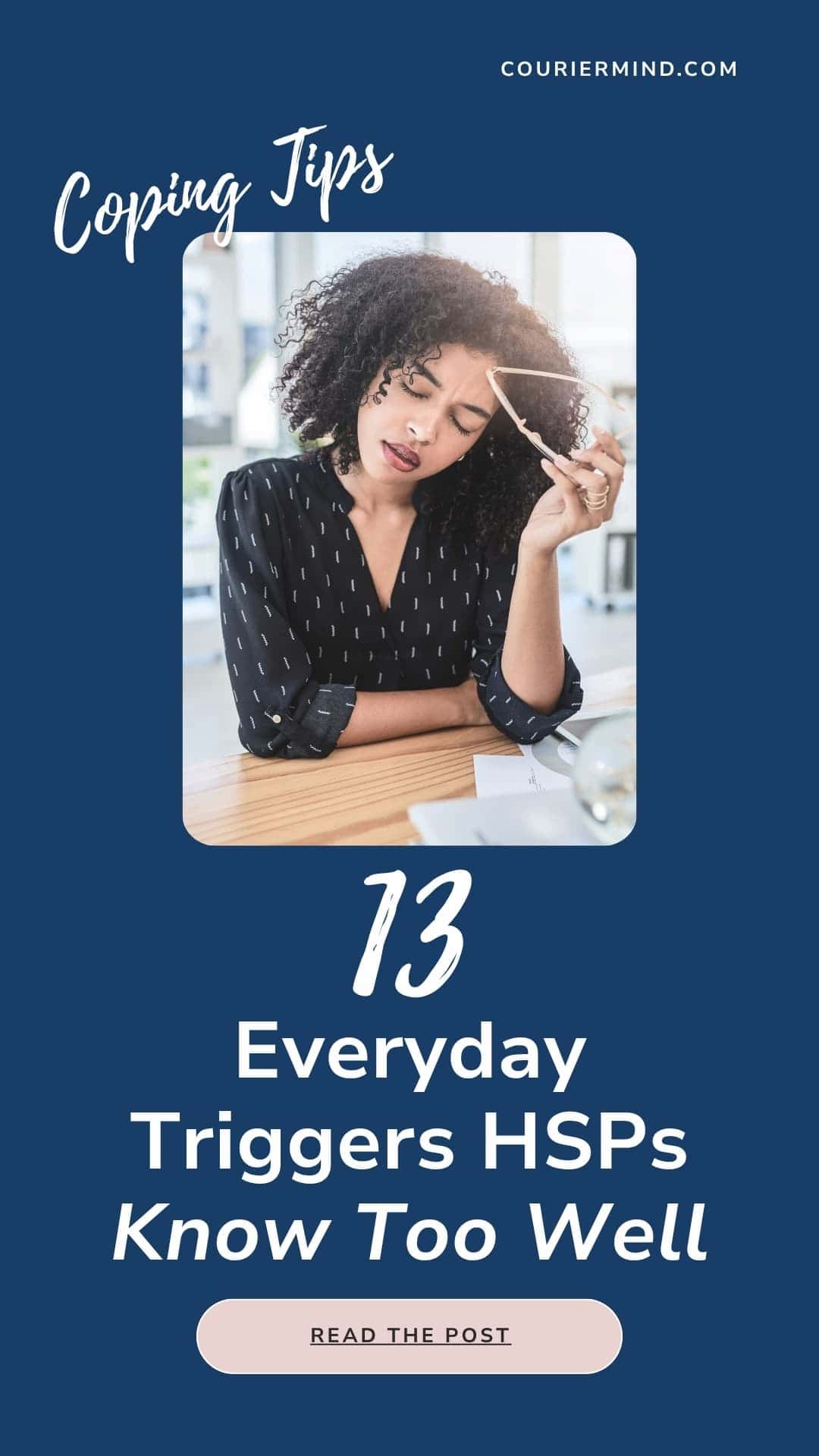
I’ve learned that criticism isn’t something to fear—but it is something I need to process with kindness rather than immediately turning it into self-criticism.
If you’re working on responding to yourself with more kindness, Dr. Kristin Neff’s Self-Compassion (available on Bookshop.org) is well worth reading. It explores how to treat yourself with the same understanding you’d naturally offer someone you care about.
book tip

Self-Compassion
By Dr. Kristin Neff
Ever notice how harshly we can treat ourselves — and wonder if it’s holding us back?
Did you know? When you buy through Bookshop.org, you’re helping support independent bookstores.
RELATED POST: How to Deal With Criticism as a Highly Sensitive Person
6. Clutter
This one surprised me.
For years, I thought I simply preferred tidy spaces. Now I realize that clutter affects my ability to think clearly.
When my surroundings feel chaotic, my mind often follows. That doesn’t mean my house is always perfectly organized. Far from it.
But I’ve noticed that even ten minutes spent clearing a space can help me feel calmer almost immediately.
7. Constant Notifications
I honestly think our phones can be one of those highly sensitive person triggers we don’t always recognize.
- Emails.
- Messages.
- News alerts.
- Social media.
- Calendar reminders.
It can feel like our attention is constantly being pulled in different directions.
I’ve become much more intentional about turning off unnecessary notifications, and it’s one of the simplest changes I’ve made for my mental well-being.
8. Conflict
Even small disagreements can affect me more than I’d like to admit.
Not because I think conflict is bad. But because my mind keeps processing it long after the conversation is over.
I’ve learned that avoiding conflict isn’t the answer. Instead, I try to have honest conversations while also giving myself time afterward to recover emotionally.
RELATED POST: The 10 Biggest Relationship Challenges for Highly Sensitive People
9. Feeling Misunderstood
This is one of the quieter triggers that took me years to recognize.
When someone tells me I’m “overreacting” or “thinking too much,” it affects me more than I usually let on.
Not because I need everyone to agree with me. But because feeling misunderstood can be incredibly lonely.
These days, I remind myself that not everyone experiences the world the same way—and that’s okay.
RELATED POST: The Mistake Highly Sensitive People Make That Fuels Imposter Syndrome
10. Saying Yes When I Really Mean No
This one has been a huge lesson for me.
Every time I’ve ignored my own limits because I didn’t want to disappoint someone else, I’ve eventually paid for it.
- Sometimes with exhaustion.
- Sometimes with resentment.
- Sometimes by needing days to recover.
I’ve realized that one of the biggest triggers isn’t other people. It’s ignoring what I already know I need.
RELATED POST: 9 Ways Highly Sensitive People Can Overcome Fear of Rejection
11. Too Much Time Without Rest
This sounds obvious, but I think many highly sensitive people underestimate just how important recovery really is.
I used to think rest was something I had to earn after being productive. Now I see it differently.
Rest is what allows me to stay emotionally balanced in the first place. When I go too long without slowing down, even small problems can start to feel much bigger than they really are.
If slowing down doesn’t always come naturally to you, Recharge: A Day and Night Reflection Journal by Insight Editions (available on Bookshop.org) can be a gentle way to make reflection and rest part of your routine instead of something you only think about once you’re already exhausted.
recharge your energy
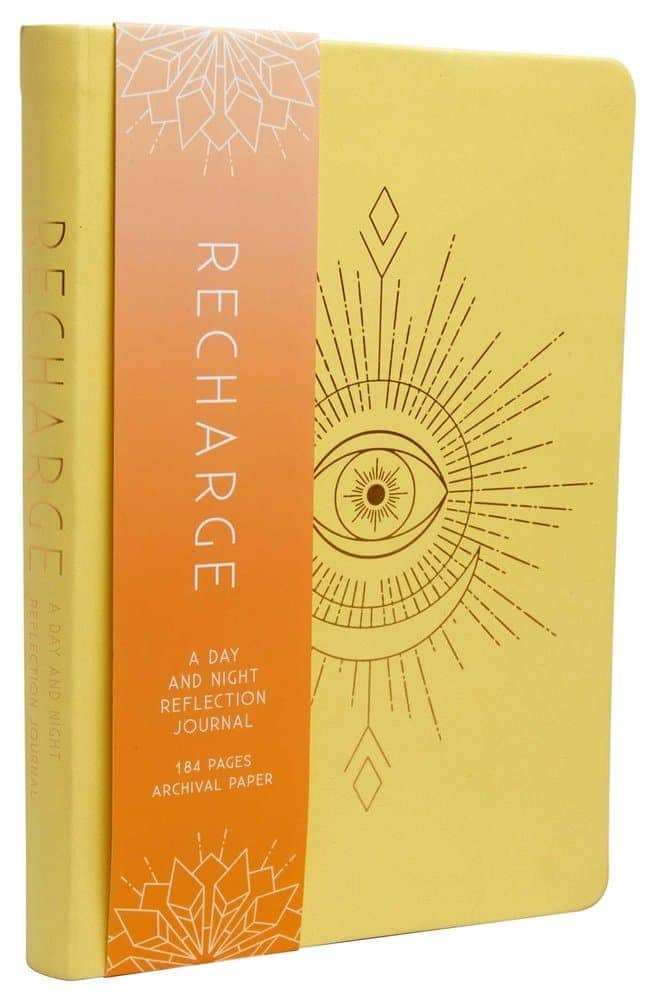
Recharge Journal by Insight Editions
Recharge your energy and avoid burnout with a simple daily routine that actually fits your life.
Did you know? By buying from Bookshop.org, you help support independent bookstores.
12. Negative News and Social Media
I still like staying informed. But I’ve learned that endless exposure to bad news isn’t healthy for me.
Highly sensitive people often process emotional information deeply. That means constantly consuming distressing stories can leave us carrying emotional weight that isn’t even ours.
I’ve become much more intentional about what I consume and when I consume it. It’s made a noticeable difference.
13. Ignoring My Own Needs
Looking back, I think this has been the biggest trigger of all.
Whenever I’ve ignored my need for quiet…
- For sleep…
- For boundaries…
- For alone time…
- For slower mornings…
Life has felt much harder than it needed to.
For years, I thought listening to my needs was selfish. Now I understand that it’s actually one of the kindest things I can do—for myself and for the people around me.
If you’re trying to get better at checking in with yourself before you reach your limit, Self-Care: A Day and Night Reflection Journal by Insight Editions (available on Bookshop.org) offers a simple way to make that reflection part of your everyday routine.
Mindful Living
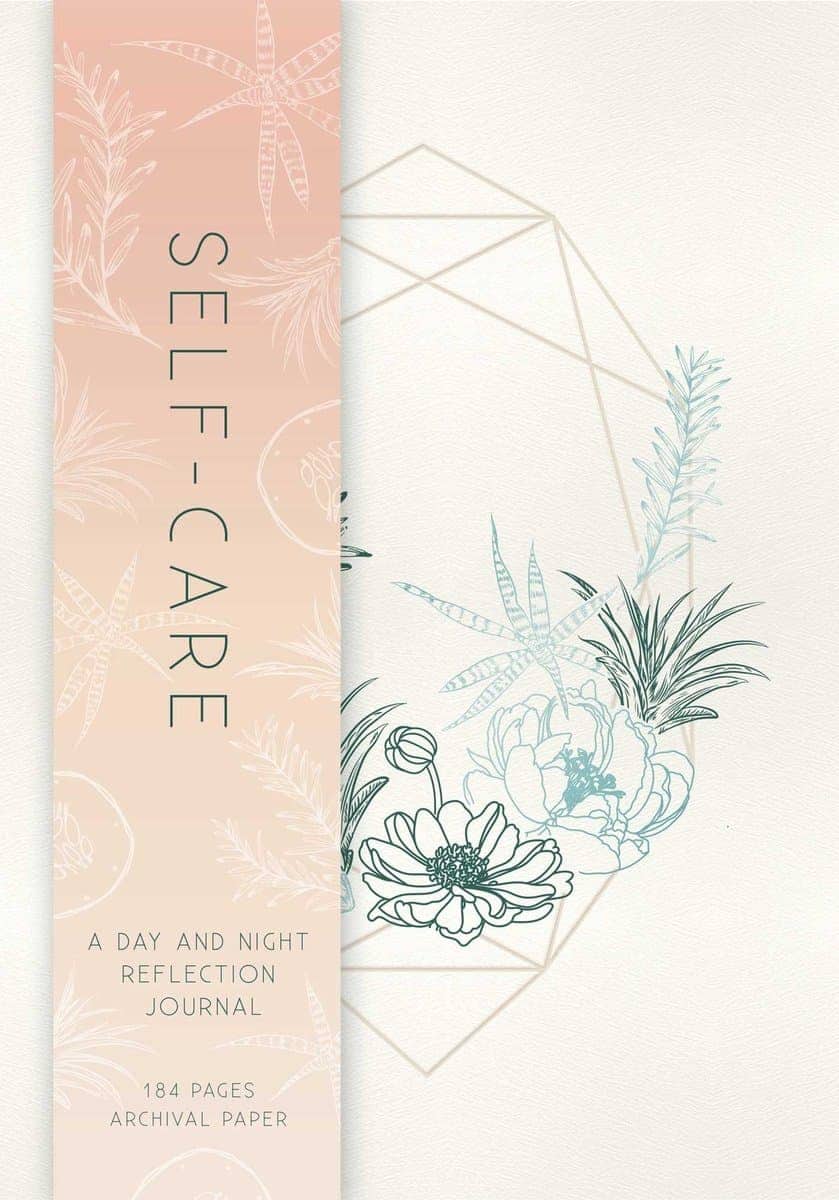
Self-Care Journal by Insight Editions
Create a daily self-care routine that helps you feel calmer, more balanced, and in control—even on busy days.
Did you know? By buying from Bookshop.org, you help support independent bookstores.
RELATED POST: 12 Things Highly Sensitive People Need to Be Truly Happy
What I’ve Learned About Triggers
One of the biggest misunderstandings about triggers is that we should try to avoid them completely.
I don’t actually think that’s realistic.
- Life will always be noisy sometimes.
- People will still disagree with us.
- Stressful seasons will happen.
Instead, I’ve found it much more helpful to simply recognize what affects me. When I understand what’s happening, I stop blaming myself for it.
Instead of thinking:
Why am I so overwhelmed?
I can say:
I’ve had a really stimulating week. My nervous system probably needs a break.
That small shift changes everything.
If you’d like to explore your own sensitivity more closely, Elaine Aron’s The Highly Sensitive Person’s Workbook (available on Amazon) is a helpful companion. It gives you a more hands-on way to reflect on how high sensitivity shows up in your own life.
Not Every Trigger Needs to Be Eliminated
Something else I’ve learned is that not every trigger is necessarily bad.
- Traveling can leave me overstimulated.
- So can hosting family.
- So can spending a full day with friends.
But those are also some of my favorite experiences.
The goal isn’t to eliminate everything that challenges us. The goal is to build enough recovery into our lives that we can keep enjoying those experiences.
I’ve stopped seeing rest as a reward. I see it as part of the experience itself.
Learning to Trust Yourself
For a long time, I ignored my own signals because I assumed everyone else knew better. If other people could handle something, surely I should be able to handle it too.
Now I trust my nervous system much more.
- If I need a quiet evening, I take one.
- If I need a walk after a stressful day, I go.
- If I know a busy weekend will leave me exhausted, I plan time afterward to recover.
Listening to those signals hasn’t made me weaker. It’s actually made me far more resilient.
Final Thoughts
One of the most freeing things I’ve learned as a highly sensitive person is that being triggered doesn’t mean there’s something wrong with me.
It simply means my nervous system is giving me information.
For years, I ignored those signals because I thought I needed to be tougher.
Now I understand that paying attention to them allows me to live a much healthier, happier life.
- I still get overwhelmed sometimes.
- I still need more quiet than many of the people around me.
- I still notice things other people don’t.
But instead of seeing those things as flaws, I’ve started seeing them as reminders to slow down, check in with myself, and protect my energy.
If you’re a highly sensitive person too, I hope you’ll do the same.
You don’t need to eliminate every trigger from your life. You simply need to understand what affects you—and give yourself permission to respond with kindness instead of criticism.
Because the more I’ve listened to my own needs instead of fighting them, the more peaceful my life has become.
And I think that’s one of the greatest gifts we can give ourselves.
*This article is for informational and educational purposes only and should not be considered a substitute for professional mental health advice. If you are experiencing emotional distress or mental health challenges, please seek guidance from a licensed therapist or mental health professional.
Fraga, Juli. “Being a Highly Sensitive Person Is a Scientific Personality Trait. Here’s What It Feels Like.” Healthline, updated 19 April, 2019, https://www.healthline.com/health/mental-health/what-its-like-highly-sensitive-person-hsp#tips.
Greven, C. U. et al. “Sensory Processing Sensitivity in the context of Environmental Sensitivity: A critical review and development of research agenda.” Neuroscience & Biobehavioral Reviews, 98, 287-305, 2019, https://doi.org/10.1016/j.neubiorev.2019.01.009 Adapted from and used under the terms of the Creative Commons Attribution 4.0 International License.
Gulla, Bożena, and Krystyna Golonka. “Exploring Protective Factors in Wellbeing: How Sensory Processing Sensitivity and Attention Awareness Interact With Resilience.” Frontiers in psychologyvol. 12 751679. 16 Nov. 2021, doi:10.3389/fpsyg.2021.751679. Adapted from and used under the terms of the Creative Commons Attribution 4.0 International License.
Marhenke, R., Acevedo, B., Sachse, P., et al. "Individual Differences in Sensory Processing Sensitivity Amplify Effects of Post-Learning Activity for Better and for Worse." Scientific Reports, vol. 13, 2023, p. 4451. https://doi.org/10.1038/s41598-023-31192-9. Adapted from and used under the terms of the Creative Commons Attribution 4.0 International License.
Trå, H. V., Volden, F., & Watten, R. G. (2023). "High Sensitivity: Factor Structure of the Highly Sensitive Person Scale and Personality Traits in a High and Low Sensitivity Group. Two Gender-Matched Studies." Nordic Psychology, 75(4), 328-350. DOI: 10.1080/19012276.2022.2093778.

Malin, co-founder of Courier Mind, is passionate about personal growth and mindset. With a focus on self-discovery and goal-setting, she creates content that inspires confidence, balance, and growth for the mind and spirit.