


Why Mediocre Relationships Feel “Fine” But Still Hurt You
Not all unhealthy relationships are full of drama.
Some relationships don’t involve:
- Constant arguments
- Clear toxicity
- Betrayal
- Emotional turmoil
Instead, they just feel… okay. In other words, you get along. You work well together. On the surface, everything seems fine.
And yet, something still feels missing.
- There’s no deep connection.
- No genuine excitement.
- No emotional growth.
- No strong feeling of fulfillment.
Just familiarity, routine, and emotional neutrality. That’s what makes mediocre relationships so difficult to recognize.
Because nothing feels “bad enough” to leave, many people stay in mediocre relationships for years without realizing how much they’re affecting their emotional well-being.
In this article, I’ll explain why mediocre relationships can feel comfortable yet unfulfilling, why people stay in them, and how emotional stagnation can shape your life over time.
This post contains affiliate links, which means we may earn a commission if you purchase through our links—at no extra cost to you. As an Amazon Associate we earn from qualifying purchases. We only recommend products we use or trust. Learn more about affiliate marketing or read our full disclosure.
What Is a Mediocre Relationship?
A mediocre relationship isn’t necessarily toxic or abusive. In fact, that’s one of the reasons it can be so difficult to recognize.
Found this helpful? Pin it for later so you can come back anytime.

A mediocre relationship is one that functions well on the surface but lacks deeper emotional connection and energy underneath.
It often includes:
- Low emotional intimacy
- Predictable routines
- Limited personal growth
- Surface-level or repetitive communication
- Growing emotional disconnection over time
From the outside, everything may look stable.
You may rarely argue. You may manage responsibilities well as a team. Life may even seem “good” to other people.
And that’s exactly why mediocre relationships can be so confusing.
Because many people end up thinking:
If nothing is seriously wrong, maybe this is just what relationships turn into.
But emotional fulfillment is not the same as simply avoiding conflict.
A relationship can seem stable while still leaving you feeling emotionally exhausted, disconnected, or unfulfilled over time.
Why Mediocre Relationships Feel “Fine”
Mediocre relationships often last because they provide a certain sense of psychological comfort.
They offer:
- Familiarity
- Routine
- Predictability
- Companionship
- Emotional safety from uncertainty
And your brain naturally wants to hold onto those things.
People naturally become attached to what feels familiar and predictable. Even when a relationship is missing passion, depth, or emotional connection, it can still feel safe simply because it’s familiar.
That’s why mediocre relationships can be so hard to leave.
- Nothing feels chaotic.
- Nothing feels completely broken.
- Life just feels comfortable enough to keep moving forward.
Over time, that comfort can create a subtle but powerful illusion:
Comfort starts to feel like compatibility.
But comfort and fulfillment are not the same thing. A relationship can feel safe while still leaving you emotionally disconnected, uninspired, or unhappy beneath the routine.
Why Familiarity Feels Safer Than Fulfillment
One of the biggest reasons people stay in mediocre relationships comes down to how the brain works.
The brain is naturally wired to avoid uncertainty and seek stability.
Relationships that feel:
- Familiar
- Stable
- Emotionally predictable
take less psychological energy to maintain.

Even when a relationship feels emotionally flat or uninspiring, your brain can still interpret it as:
“Safe enough.”
And that sense of safety can be incredibly difficult to walk away from.
That’s why so many people stay in relationships that no longer excite them, challenge them, or provide real emotional fulfillment.
Not necessarily because they’re truly happy — but because the relationship has become familiar.
- The routines are familiar.
- The patterns are predictable.
- The emotional risks feel manageable.
And familiarity is powerful.
Sometimes powerful enough to keep you emotionally stuck long after the deeper connection has faded.
RELATED POST: Why Most People Never Escape Mediocrity (Even When They Try)
Why Mediocre Relationships Hurt You Emotionally
Toxic relationships often cause obvious pain.
Mediocre relationships create something much more subtle:
Emotional undernourishment.
At first, it may not seem like a serious issue. Life goes on as usual, and the relationship still looks functional from the outside.
But over time, the emotional disconnection begins to build beneath the surface.
This can lead to:
- Loneliness within the relationship
- Emotional numbness
- A loss of excitement about life
- Reduced self-expression
- Growing dissatisfaction over time
What makes mediocre relationships especially difficult is how gradually these feelings develop. There’s rarely one dramatic moment that forces you to face the problem.
Instead, the emotional emptiness grows little by little.
- You slowly get used to feeling disconnected.
- You lower your expectations.
- You stop noticing what’s missing.
And eventually, emotional deprivation can start to feel normal simply because it has been there for so long.
When that happens, it can be surprisingly difficult to understand what you’re really feeling from day to day.

“It’s Not Bad” Becomes the Main Reason to Stay
One of the clearest signs of a mediocre relationship is having this thought:
“Well… it’s not bad.”
At first, that might sound reasonable. But when that becomes the main reason for staying, it often points to something deeper.
Notice what’s missing from that statement:
- Excitement
- Connection
- Emotional fulfillment
- Admiration
- Growth
The relationship is being justified not because it feels deeply meaningful, but because it doesn’t feel bad enough to leave. And over time, that way of thinking can lead to emotional stagnation.
People stop asking:
Is this relationship helping me grow, connect, and thrive?
And instead begin asking:
Is this relationship comfortable enough to keep?
That shift changes everything. Because once survival becomes the standard, fulfillment slowly disappears from the conversation altogether.
Why Mediocre Relationships Are Harder to Leave Than Toxic Ones
This may seem counterintuitive, but mediocre relationships can sometimes be even harder to leave than clearly toxic ones.
Why?
Because toxic relationships usually cause obvious pain.
Mediocre relationships create uncertainty.
- There’s no major betrayal.
- No constant chaos.
- No dramatic moment that clearly signals something is wrong.
Instead, you’re left questioning yourself.
You think:
- “Maybe I’m expecting too much.”
- “Maybe this is just what long-term relationships feel like.”
- “Nothing terrible is happening.”
And that uncertainty makes it harder to take action. When a relationship is clearly unhealthy, your brain can recognize the problem more easily.
But when a relationship is simply emotionally unfulfilling, the brain often finds reasons to stay.
- It focuses on the stability.
- The familiarity.
- The absence of obvious problems.
And over time, people learn to tolerate emotional disconnection because it feels easier than facing the uncertainty that comes with change.
Comfort Can Slowly Replace Connection
Over time, many relationships gradually shift away from:
- Emotional curiosity
- Intimacy
- Growth
- Excitement
and move toward:
- Logistics
- Routines
- Habits
- Convenience
This transition usually happens so slowly that most people hardly notice it at first.
- Conversations become more practical than personal.
- Connection is replaced by routine.
- The relationship begins to function more like a system than an emotional partnership.
Without even noticing it, the focus gradually shifts from maintaining a meaningful connection to simply maintaining stability.
And while stability is important, it can’t fully replace emotional closeness.
Eventually, some couples stop connecting with each other on a deeper level and begin simply coexisting — sharing space, responsibilities, and routines, without feeling truly emotionally connected anymore.
Found this helpful? Pin it for later so you can come back anytime.
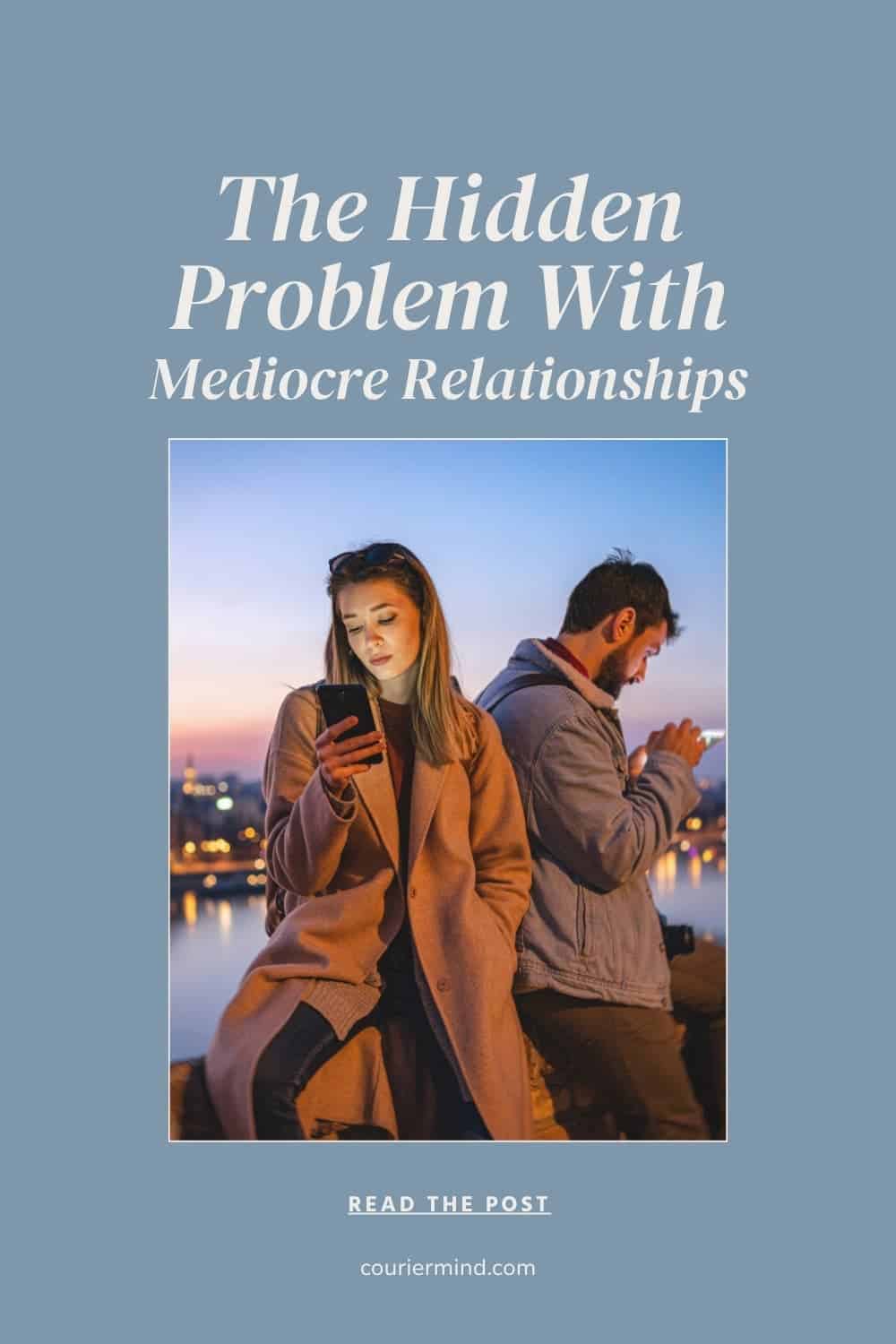
Emotional Stagnation Changes You More Than You Think
One of the hidden risks of mediocre relationships is how deeply they can affect your sense of self over time. You are heavily influenced by the emotional environments you spend the most time in.
And when a relationship consistently lacks:
- Encouragement
- Emotional depth
- Inspiration
- Meaningful connection
something begins to change internally. People often start shrinking emotionally without fully realizing it.
They may:
- Stop expressing themselves openly
- Lower their expectations for intimacy
- Accept emotional distance as normal
- Lose touch with parts of their personality and emotional needs
The change is usually gradual rather than dramatic. There’s no explosive breakdown or obvious crisis.
Instead, the relationship slowly reduces your sense of emotional aliveness.
Over time, people can become emotionally quieter, less expressive, less hopeful, and less connected to the version of themselves they once were.
This idea of losing touch with yourself is something Brené Brown explores in The Gifts of Imperfection (available on Bookshop.org), particularly how self-worth and authenticity can gradually be replaced by self-protection and emotional withdrawal.
book tip

The Gifts of Imperfection
By Brené Brown
Ever feel like you’re trying too hard to be perfect—and it’s exhausting? Then this book is for you.
Did you know? When you buy through Bookshop.org, you’re helping support independent bookstores.
RELATED POST: 7 Signs You’re Stuck in a Mediocre Mindset and How to Change It
Why People Settle for Mediocre Relationships
There are many psychological reasons people remain in mediocre relationships, even when they feel emotionally unfulfilled.
1. Fear of Uncertainty
Leaving a relationship often means facing:
- Unpredictability
- Loneliness
- Emotional risk
- Fear of regret
And for many people, uncertainty feels more frightening than dissatisfaction.
Even if the relationship no longer feels deeply fulfilling, it still offers something familiar and emotionally predictable. The future, on the other hand, feels unknown.
Research suggests that uncertainty itself can be a powerful reason people stay in unhappy relationships. For many people, the discomfort of the unknown feels more threatening than a familiar situation that no longer brings genuine fulfillment.
So people stay not because the relationship feels truly right, but because the discomfort they already know feels easier to manage than the uncertainty they don’t.
2. Fear of Starting Over
People often stay because they find themselves thinking:
- “What if I don’t find anything better?”
- “What if I’m making a mistake?”
Starting over can feel overwhelming. It means rebuilding your routines, adjusting emotionally, and stepping back into uncertainty.
So even when the relationship feels only “okay,” staying can begin to feel like the safer option.
3. Attachment to Familiarity
Even emotionally flat relationships can create strong attachment patterns over time. Familiarity, even without deep emotional fulfillment, still creates a sense of comfort.
Your brain learns the rhythms of the relationship — how conversations unfold, how conflict is handled, and what to expect from day to day.
That predictability starts to feel grounding.
So even when the emotional connection is weak, the familiarity itself can become something people hold onto.
Research suggests that people often display a “status quo bias,” meaning they tend to stick with familiar situations and existing circumstances, even when change could potentially improve their well-being.
Because what’s familiar often feels safer than what’s unknown — even when it isn’t truly fulfilling.
This tendency to avoid discomfort and uncertainty isn’t limited to relationships.
In The Happiness Trap (available on Bookshop.org), Russ Harris explores how psychological avoidance can keep us stuck in situations that no longer serve us, and why living according to our values often requires facing uncertainty rather than avoiding it.
book tip
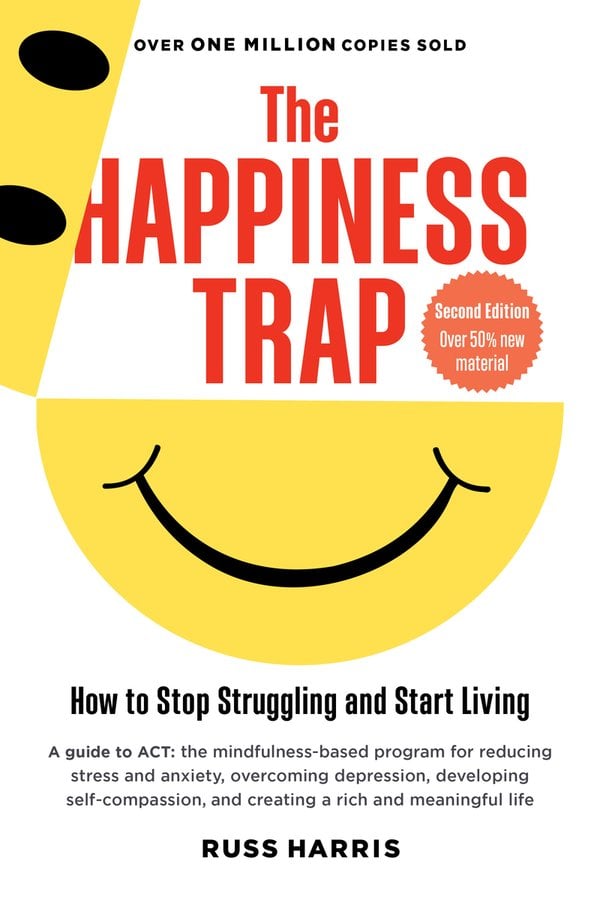
The Happiness Trap
By Russ Harris
Learn practical ACT-based strategies for handling difficult thoughts and emotions while building a more meaningful life.
Did you know? When you buy through Bookshop.org, you’re helping support independent bookstores.
4. Low Relationship Standards
For some people, mediocrity doesn’t feel like “settling” at all — it simply feels normal.
This often happens when someone has never consistently experienced:
- Emotional depth
- Healthy communication
- Genuine intimacy
Without those reference points, it can be difficult to recognize what’s missing in the first place. So instead of feeling like something is wrong, the relationship simply feels like “how relationships are supposed to be.”
And when mediocrity becomes normal, it doesn’t raise concern — it becomes part of the expectation.

5. Social and Practical Convenience
Beyond the emotional side, there are also very practical reasons people stay.
Shared routines, living arrangements, financial stability, and overlapping social circles all create a built-in structure around the relationship.
Leaving doesn’t just mean ending the emotional connection — it often means disrupting your daily life in a very real and tangible way.
So even when the emotional side of the relationship feels mediocre, the practical side can still feel “worth keeping” simply because it seems easier than starting over from scratch.
RELATED POST: Should You Accept Mediocrity to Be Happier? A Deep Look
The Difference Between Peace and Emotional Disconnection
This is one of the most important distinctions to understand. A healthy relationship can feel calm while still being emotionally connected.
But a mediocre relationship often feels calm for a different reason — not because everything feels deeply secure, but because something has slowly faded.
- Over time, emotional intensity may disappear.
- Vulnerability may decrease.
- Deeper conversations may stop happening.
- Growth may gradually slow down.
And without realizing it, the relationship becomes quieter — not just on the surface, but emotionally as well.
So what looks like “peace” from the outside may actually be emotional disconnection underneath.
Real emotional safety isn’t just about the absence of conflict. It includes:
- Openness
- Connection
- Emotional responsiveness
- Shared growth
When those elements are present, calmness feels grounding. But when they’re missing, calmness can start to feel empty rather than peaceful.
Research suggests that emotional intimacy is one of the strongest predictors of relationship satisfaction, with couples who report greater intimacy generally reporting higher relationship quality and well-being.
In Radical Acceptance, Tara Brach (available on Bookshop.org) explores how genuine emotional well-being comes from acknowledging our experiences honestly rather than avoiding or suppressing them.
book tip

Radical Acceptance
By Tara Brach
In the busyness of everyday life, it’s easy to forget the present moment. This book is a gentle reminder to slow down and truly live.
Did you know? When you buy through Bookshop.org, you’re helping support independent bookstores.
Why People Normalize Emotional Loneliness
People are remarkably adaptable. Even emotional loneliness can start to feel normal over time.
You might start telling yourself things like:
- “This is just adulthood.”
- “Every relationship eventually becomes routine.”
- “Maybe I’m asking for too much.”
This kind of thinking makes it harder to notice what’s actually missing.
When something feels familiar, even if it’s unfulfilling, it stops standing out as a problem. It simply becomes part of everyday life.
And once dissatisfaction becomes familiar, it stops creating a sense of urgency.
That’s when change becomes less likely — not because the feeling has disappeared, but because it has been accepted as normal.
In Self-Compassion, Dr. Kristin Neff (available on Bookshop.org) explores how many people become trapped in patterns of self-criticism and emotional neglect, often treating themselves with far less kindness than they would offer someone else.
book tip

Self-Compassion
By Dr. Kristin Neff
Ever notice how harshly we can treat ourselves — and wonder if it’s holding us back?
Did you know? When you buy through Bookshop.org, you’re helping support independent bookstores.
Her work highlights the importance of responding to difficult emotions with understanding rather than judgment.
How Social Media Distorts Relationship Expectations
Modern relationship expectations add another layer of confusion.
On one side, social media often promotes unrealistic ideas of the “perfect relationship” — constant romance, effortless connection, and idealized emotional compatibility.
On the other side, emotionally disconnected relationships can seem normal in everyday life, especially when the people around you are also just “making it work.”
This contrast creates uncertainty about what is actually healthy and realistic.
And when that clarity is missing, it becomes easier to settle into relationships that are:
- Functional
- Stable
- Emotionally incomplete
Not necessarily because they feel right — but because they seem acceptable compared to the two extremes people are constantly exposed to.
Over time, many people begin to assume that deep emotional connection is either rare, unrealistic, or something meant for other people, rather than something that can be actively built and maintained.

The Real Cost of a Mediocre Relationship
The cost of a mediocre relationship is rarely immediate heartbreak. It’s something far more difficult to notice.
It shows up as gradual emotional limitation over time.
Little by little, a relationship that lacks emotional vitality can start to affect:
- Emotional energy
- Excitement for life
- Confidence
- Self-expression
- Personal growth
Because close relationships don’t exist in isolation. They influence nearly every part of your emotional world.
And when your closest connection lacks depth or aliveness, the impact extends beyond romance. It starts to shape how you see yourself, how much you express, and how fully you engage with life.
In the end, it doesn’t just affect the relationship — it affects identity itself.
RELATED POST: Am I Mediocre? The Truth Most People Don’t Want to Face
Can Mediocre Relationships Improve?
Sometimes, yes.
Mediocre relationships aren’t automatically doomed. In many cases, the problem isn’t a lack of love — it’s a lack of intentional connection.
Over time, relationships can become mediocre when:
- Routines take over
- Communication weakens
- Emotional effort decreases
- Growth becomes passive
What once felt alive and engaging gradually turns into something more automatic and routine.
But that doesn’t always mean the connection is gone. More often, it means the connection is no longer being actively maintained.
When both people are willing to:
- Communicate honestly
- Reconnect emotionally
- Create novelty together
- Prioritize intimacy again
the relationship can improve in meaningful ways.
Research suggests that relationship quality is strengthened when partners communicate constructively and remain actively engaged in each other’s lives. Supportive responses during both challenges and positive experiences are associated with greater relationship satisfaction.
In You’re Not Listening, Kate Murphy (available on Bookshop.org) explores how genuine listening shapes connection, trust, and emotional intimacy. Her insights highlight why meaningful relationships require more than simply communicating—they require feeling heard and understood.
book tip

You’re Not Listening
By Kate Murphy
When was the last time you truly felt heard?
Did you know? When you buy through Bookshop.org, you’re helping support independent bookstores.
The key difference is intention. Without it, relationships drift. With it, they can be rebuilt.
But improvement always begins with awareness.
And awareness always begins with being honest about what’s actually happening, rather than relying on assumptions.
RELATED POST: How to Overcome Mediocrity and Finally Stand Out in Life
The Hard Question Most People Avoid Asking
The hardest question is not:
“Is this relationship terrible?”
It is:
“Am I emotionally alive inside this relationship?”
That question is more uncomfortable because it doesn’t focus on whether something is “bad enough” to leave. Instead, it asks you to look honestly at the quality of your inner experience.
And that requires deeper reflection.
Because many mediocre relationships don’t continue because of obvious dysfunction — they continue because emotional truths go unexamined.
When things aren’t clearly wrong, it becomes easier to stay on emotional autopilot. The surface seems to work, so the deeper questions get pushed aside.
But over time, those postponed questions are often the very things that determine whether a relationship feels meaningful or empty.
In The Courage to Be Disliked, Ichiro Kishimi and Fumitake Koga (available on Bookshop.org) explore the idea that personal freedom often begins when we’re willing to examine the beliefs and expectations that quietly shape our lives.
book tip
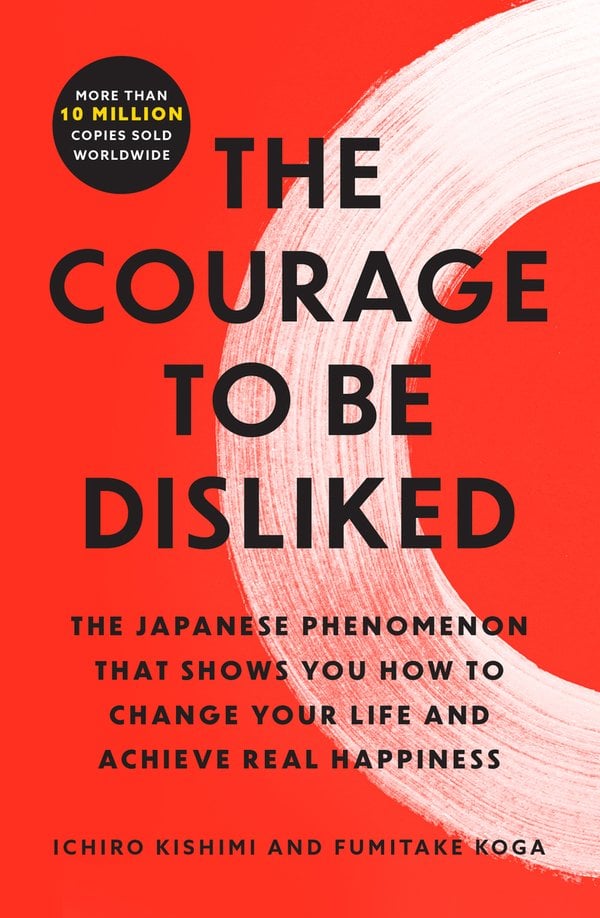
The Courage to Be Disliked
By Ichiro Kishimi and Fumitake Koga
Explore a different perspective on happiness, relationships, and the courage to live life on your own terms.
Did you know? When you buy through Bookshop.org, you’re helping support independent bookstores.
RELATED POST: This Is What “Never Settle for Mediocrity” Gets Wrong
Final Thoughts
Mediocre relationships can be difficult to recognize because they rarely feel catastrophic.
- They feel manageable.
- Predictable.
- Comfortable enough.
But emotional fulfillment isn’t defined by the absence of disaster. A relationship can look stable on the outside while quietly creating emotional emptiness beneath the surface.
And over time, that kind of emotional stagnation can affect:
- Your growth
- Your energy
- Your identity
- Your sense of connection to life itself
The truth is, people don’t just need safety in relationships — they also need emotional aliveness.
Because the real danger of mediocre relationships isn’t that they cause obvious pain.
It’s that they quietly normalize emotional disconnection — until you stop noticing that something is missing at all.
*This article is for informational and educational purposes only and should not be considered a substitute for professional mental health advice. If you are experiencing emotional distress or mental health challenges, please seek guidance from a licensed therapist or mental health professional.
De Netto, Priscilla Maria et al. “Communication, the Heart of a Relationship: Examining Capitalization, Accommodation, and Self-Construal on Relationship Satisfaction.” Frontiers in psychology vol. 12 767908. 13 Dec. 2021, doi:10.3389/fpsyg.2021.767908. Adapted and used under the terms of the Creative Commons Attribution 4.0 International License.
George, T. et al. "Remaining in unhappy relationships: The roles of attachment anxiety and fear of change." Journal of Social and Personal Relationships, 37(5), 1626-1633, 2020, https://doi.org/10.1177/0265407520904156.
Jitaru, Mihaela, and Maria Nicoleta Turliuc. “The Moderator Role of Interpersonal Emotion Regulation on the Associations between Commitment, Intimacy, and Couple Satisfaction.” International journal of environmental research and public health vol. 19,17 10506. 23 Aug. 2022, doi:10.3390/ijerph191710506. Adapted and used under the terms of the Creative Commons Attribution 4.0 International License.

Malin, co-founder of Courier Mind, is passionate about personal growth and mindset. With a focus on self-discovery and goal-setting, she creates content that inspires confidence, balance, and growth for the mind and spirit.