

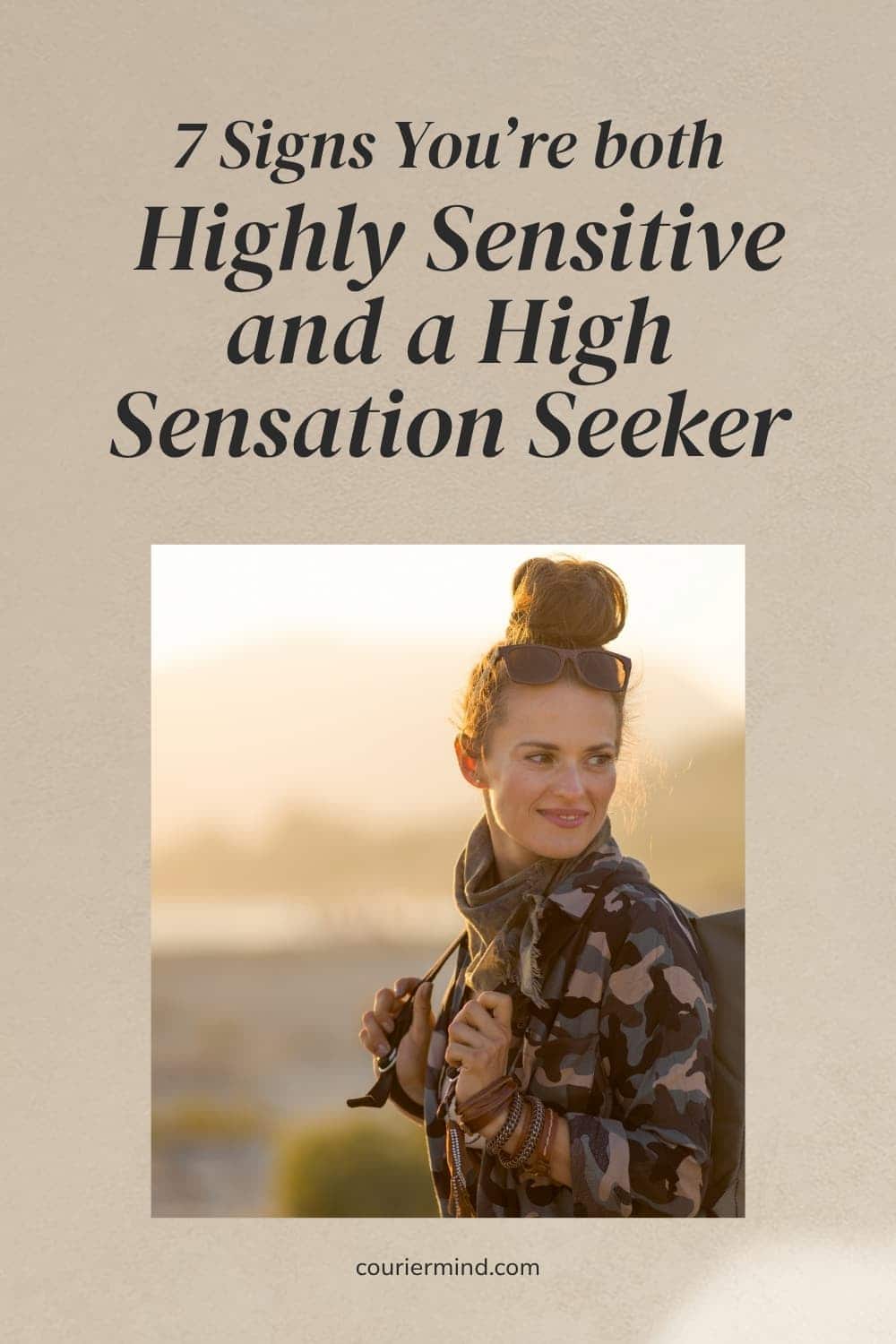
7 Signs You’re Both Highly Sensitive and a High Sensation Seeker
For the longest time, I couldn’t figure myself out.
One weekend I’d be planning a spontaneous trip, saying yes to a new experience, or diving headfirst into a creative project. The next weekend I’d be cancelling plans, craving silence, and wondering why I suddenly felt completely drained.
It felt like I had two different personalities.
Part of me loved adventure, novelty, and excitement. The other part wanted peace, predictability, and plenty of quiet time.
For years, I thought I was simply inconsistent. I wondered why I could crave stimulation one day and avoid it the next.
Why I loved traveling but desperately needed a day alone afterward. Why I could enjoy meeting new people but also feel emotionally exhausted by social events.
Then I learned about high sensation seeking. Suddenly, everything clicked.
Not every highly sensitive person is a high sensation seeker, but according to psychologist Dr. Elaine Aron, roughly 30% of highly sensitive people also have this trait.
In other words, some of us have a nervous system that is highly sensitive and a personality that craves novelty, challenge, and new experiences. It’s a fascinating combination—and sometimes a confusing one.
If you’ve ever felt like you’re constantly pulled in two different directions, these signs might explain why.
This post contains affiliate links, which means we may earn a commission if you purchase through our links—at no extra cost to you. As an Amazon Associate we earn from qualifying purchases. We only recommend products we use or trust. Learn more about affiliate marketing or read our full disclosure.
What Is a High Sensation-Seeking Highly Sensitive Person?
Before we get into the signs, it helps to understand what this combination actually means.
Found this helpful? Pin it for later so you can come back anytime.
Being a highly sensitive person means your nervous system processes information deeply. You pick up on subtleties, experience emotions intensely, and may become overstimulated more easily than most people.
Being a high sensation seeker, on the other hand, means you’re naturally drawn to novelty, learning, exploration, creativity, and new experiences.
Put those two together and you get someone who often says:
I want to do everything… but I also need a nap afterward.
As someone who lives with both traits, I can’t think of a better way to describe it.
If you’d like to dig deeper into the science behind sensation seeking, Marvin Zuckerman’s Behavioral Expressions and Biosocial Bases of Sensation Seeking (available on Bookshop.org) explores the trait in much greater depth. It’s a more academic read, but a fascinating one if you’re curious about why some people are naturally more drawn to novelty, stimulation, and new experiences.
book tip
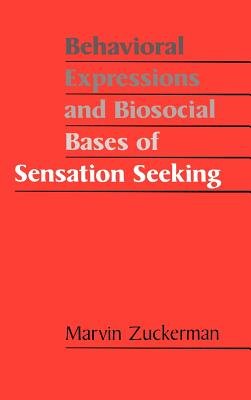
Behavioral Expressions and Biosocial Bases of Sensation Seeking
By Marvin Zuckerman
Ever wondered why some people are naturally drawn to novelty, intensity, and risk?
Did you know? When you buy through Bookshop.org, you’re helping support independent bookstores.
Now, let’s look at seven signs you might be both highly sensitive and a high sensation seeker:
1. You Constantly Feel Torn Between Adventure and Comfort
This is probably the biggest sign for me.
- I genuinely love trying new things.
- Traveling to places I’ve never been.
- Taking on ambitious projects.
- Learning new skills.
- Starting creative hobbies.
But here’s the catch… I also need plenty of downtime afterward.
I’ve learned that enjoying exciting experiences doesn’t mean my nervous system takes them in lightly. In fact, even the most wonderful experiences can leave me completely exhausted.
For a long time, I took that as a sign that maybe I wasn’t actually that adventurous.
Now I know it’s simply how my brain works.
2. You Get Excited Easily—But Overstimulated Just as Easily
I’ve noticed that I can get incredibly enthusiastic about something new.
- A new book.
- A business idea.
- A weekend trip.
- A hobby.
For a while, I’ll be completely immersed in it.
Then, sometimes without much warning, I hit a wall. It’s not because I’ve stopped enjoying it. My nervous system has simply reached its limit.
One of the biggest lessons I’ve learned is that excitement and overstimulation can happen at the same time.
You can love something and still find it draining.
3. You’re Curious About Almost Everything
If I had unlimited time, there are probably a hundred different things I’d love to learn.
- Psychology.
- Photography.
- Interior design.
- Languages.
- Writing.
- Gardening.
- Cooking.
The list just keeps growing.
High sensation seekers often have an almost endless curiosity about the world. As highly sensitive people, we also tend to process what we learn deeply.
Put those traits together, and we don’t just skim the surface of our interests—we dive right in. Sometimes a little too deeply.
4. People Don’t Always Understand Your Contradictions
I’ve lost count of how many times someone has said something like:
I thought you loved traveling.
Or:
I thought you liked being around people.
The truth is… I do. I just don’t want those things all the time.
Found this helpful? Pin it for later so you can come back anytime.
One of the harder parts of being both highly sensitive and a high sensation seeker is that other people often expect consistency.
They assume that because you enjoyed something once, you’ll always be ready for more of it. But that’s rarely how it works.
I might absolutely love spending a weekend exploring a new city. I might also spend the following Sunday doing absolutely nothing.
Both versions of me are equally authentic.
5. Routine Makes You Restless—But Too Much Change Overwhelms You
This is one of the biggest contradictions I’ve had to accept.
If life gets too predictable, I start to feel stuck.
- I crave something new.
- A new challenge.
- A new project.
- A different environment.
But if everything changes at once?
I quickly become overwhelmed. For years, I thought I had to choose between stability and excitement. Now I’ve realized that I need a healthy balance of both.
I’m happiest with a stable foundation and enough novelty sprinkled in to keep life interesting.
RELATED POST: 24 Signs You’re a Highly Sensitive Extrovert—and How to Thrive
6. You Need Recovery Time After Doing Things You Love
This one surprised me the most. I used to assume that if something drained me, it must mean I didn’t really enjoy it.
Now I know that’s simply not true.
Some of my favorite experiences have also been some of the most exhausting.
- Travel.
- Hosting friends.
- Giving presentations.
- Visiting a new city.
Even spending a wonderful day with family can leave me craving some quiet afterward.
I’ve stopped seeing that need for recovery as a sign that something is wrong. Instead, I see it as part of how I fully enjoy life.
Just because my nervous system needs rest doesn’t mean I should avoid the experiences that make me feel alive. It simply means I need to leave room for recovery afterward.
If you’re trying to get better at noticing when you need rest, the Recharge: A Day and Night Reflection Journal by Insight Editions (available on Bookshop.org) can help you slow down and check in with yourself. It’s a simple way to make recovery feel like an intentional part of your routine rather than something you only think about once you’re exhausted.
recharge your energy
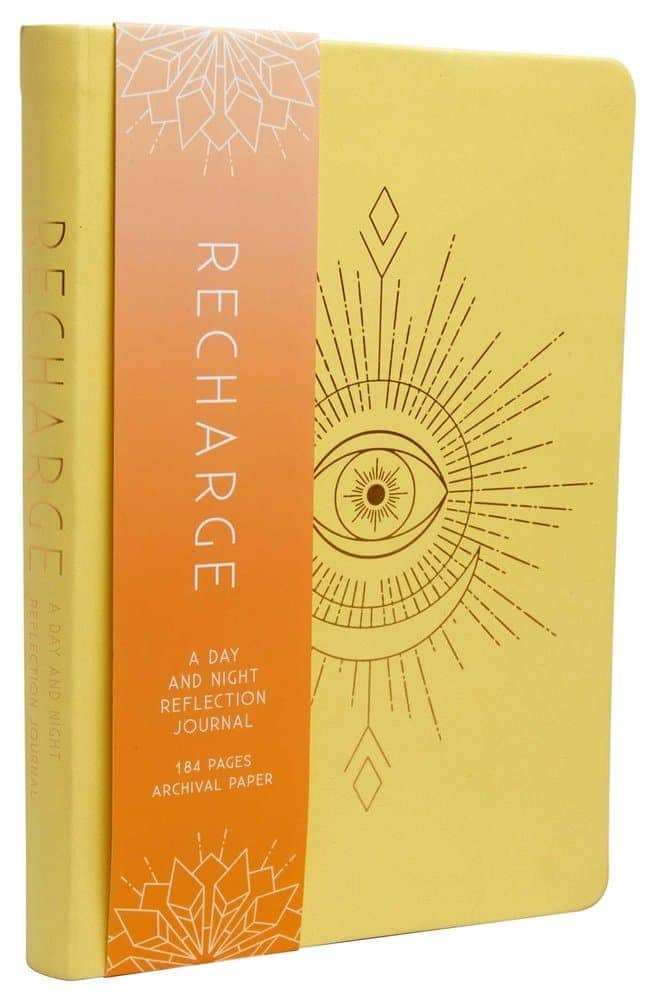
Recharge Journal by Insight Editions
Recharge your energy and avoid burnout with a simple daily routine that actually fits your life.
Did you know? By buying from Bookshop.org, you help support independent bookstores.
RELATED POST: 12 Things Highly Sensitive People Need to Be Truly Happy
7. You’ve Spent Years Wondering Why You Feel So Contradictory
If you’re anything like me, you’ve probably questioned yourself more than once.
- “Why do I crave adventure but also love staying home?”
- “Why do I get excited so easily but burn out so quickly?”
- “Why do I enjoy meeting people but need so much time alone afterward?”
For years, I thought these contradictions meant something was wrong with me. Now I see them differently.
They’re not really contradictions at all. They’re simply what happens when two different traits are constantly interacting.
Once I understood that, I stopped trying to “fix” myself. Instead, I started working with my personality rather than against it.
If you’re working on being less critical of yourself, Self-Compassion by Dr. Kristin Neff (available on Bookshop.org) is worth reading. It offers a thoughtful approach to treating yourself with more understanding, especially when you’re tempted to judge yourself for not handling things the way you think you “should.”
book tip

Self-Compassion
By Dr. Kristin Neff
Ever notice how harshly we can treat ourselves — and wonder if it’s holding us back?
Did you know? When you buy through Bookshop.org, you’re helping support independent bookstores.
RELATED POST: The Mistake Highly Sensitive People Make That Fuels Imposter Syndrome
What I’ve Learned About Living With Both Traits
Learning that I was both highly sensitive and a high sensation seeker changed the way I saw myself.
Before, I judged myself constantly.
I thought I lacked discipline because I’d throw myself into something new and then need a break. I thought I was inconsistent because my energy seemed to change from one day to the next.
Now I understand that neither of those things is true. I’ve simply learned to respect my limits without giving up the experiences that matter to me.
That has meant making a few changes. For example, I rarely plan multiple busy weekends in a row anymore.
If I know I’m traveling, I intentionally leave some space afterward to recover. If I’m starting a big creative project, I make sure I still have quiet moments throughout the week.
Instead of forcing myself to choose between excitement and rest, I’ve started treating both as equally important.
If you’re trying to understand your sensitive side better, The Highly Sensitive Person by Dr. Elaine Aron (available on Bookshop.org) is one of the best places to start. It explores how high sensitivity affects everyday life and can help you see the trait with much more understanding and appreciation.
book tip

The Highly Sensitive Person
By Elaine N. Aron, Ph.D.
Do you often feel overwhelmed by sights, sounds, or emotions that others seem to handle easily?
Did you know? When you buy through Bookshop.org, you’re helping support independent bookstores.
The Biggest Mistake I Made Was Thinking I Had to Choose
For a long time, I thought I had to pick one identity.
- Either I was adventurous… or I was sensitive.
- Either I loved people… or I preferred being alone.
- Either I enjoyed excitement… or I needed peace.
The truth is, I was trying to fit myself into categories that were far too simple. People are more complex than that.
Especially highly sensitive people.
- I’ve realized I can love adventure and still need solitude.
- I can enjoy busy days and protect my quiet evenings.
- I can seek growth without constantly pushing myself past my limits.
That shift in perspective has made life feel so much lighter.
RELATED POST: Why Some Highly Sensitive People Choose Not to Have Children
How to Thrive as a High Sensation-Seeking HSP
If you recognized yourself in these signs, here are a few things that have helped me.
First, stop apologizing for needing recovery time. Rest isn’t a sign that you made the wrong choice—it gives you the space to enjoy the next adventure.
Second, build recovery into your life instead of waiting until you’re completely overwhelmed.
Think of it the same way athletes schedule recovery after training. Your nervous system deserves that same care.
Third, don’t compare yourself to people who only share one of these traits. A high sensation seeker who isn’t highly sensitive may happily move from one exciting experience to the next.
A highly sensitive person who isn’t a sensation seeker may genuinely prefer a quieter lifestyle. You don’t have to fit either pattern perfectly.
Finally, trust yourself.
I’ve spent years trying to explain my personality to other people. These days, I don’t feel the same need to do that. I know what helps me thrive, and that’s enough.
If you’d like to become more aware of when you need to slow down, The Miracle of Mindfulness by Thich Nhat Hanh (available on Bookshop.org) is a gentle introduction to bringing more mindfulness into everyday life. It can be especially helpful if you’re trying to enjoy stimulation and new experiences without losing touch with your need for rest.
book tip

The Miracle of Mindfulness
By Thich Nhat Hanh
In the busyness of everyday life, it’s easy to forget the present moment. This book is a gentle reminder to slow down and truly live.
Did you know? When you buy through Bookshop.org, you’re helping support independent bookstores.
Final Thoughts
Discovering that I was both a highly sensitive person and a high sensation seeker answered questions I’d been asking myself for years.
- It explained why I crave novelty but also need routine.
- Why I love meaningful adventures but also treasure quiet mornings.
- Why I can feel inspired, curious, excited, and completely exhausted—all within the same week.
If you recognized yourself in these signs, I hope this understanding brings you the same sense of relief it brought me.
You’re not inconsistent. You’re not indecisive. You’re simply someone with a complex nervous system that longs for both exploration and restoration.
I’ve stopped trying to choose between those two sides of myself. Instead, I’ve learned to make room for both.
And honestly?
Life has become much more enjoyable because of it.
*This article is for informational and educational purposes only and should not be considered a substitute for professional mental health advice. If you are experiencing emotional distress or mental health challenges, please seek guidance from a licensed therapist or mental health professional.
Aron, Elaine, Ph.D. “Highly Sensitive High Sensation Seekers—Giving Equal Love to Both Parts.” Highly Sensitive Person, 27 June 2023, https://hsperson.com/highly-sensitive-high-sensation-seekers-giving-equal-love-to-both-parts/. Accessed 24 July 2023.
Aron, Elaine, Ph.D. "Highly Sensitive and High Sensation Seeking Individuals." Psychology Today, updated 22 July 2023, https://www.psychologytoday.com/us/blog/the-highly-sensitive-person/202307/highly-sensitive-and-high-sensation-seeking-individuals. Accessed 13 April 2025.
Aron, Elaine, Ph.D. “The Highly Sensitive Person.” Highly Sensitive Person, https://hsperson.com/. Accessed 24 July 2023.
Aron, Elaine, Ph.D. “The Highly Sensitive Person Who Is Also A High Sensation Seeker.” Highly Sensitive Person, 28 March 2006, https://hsperson.com/the-highly-sensitive-person-who-is-also-a-high-sensation-seeker/. Accessed 24 July 2023.
Barzegar, H., et al. "A descriptive study of agoraphobic situations and correlates on panic disorder." Middle East Current Psychiatry, vol. 28, 2021, p. 31. https://doi.org/10.1186/s43045-021-00110-y. Adapted and used under the Creative Commons Attribution 4.0 International License.
Riegler, Tertia. “Are You A High Sensation Seeking, Highly Sensitive Person (HSS HSP)?” Tertia Riegler, 9 February 2021, https://www.tertiariegler.com/has-hsp/. Accessed 24 July 2023.
Siraj, B. Najam, S. Ghazal. “Sensation Seeking, Peer Influence, and Risk-Taking Behavior in Adolescents." Education Research International, vol. 2021, Article ID 8403024, 8 pages, 2021. https://doi.org/10.1155/2021/8403024. Adapted and used under the Creative Commons Attribution 4.0 International License.
Zuckerman, Marvin. "Dimensions of sensation seeking." Journal of consulting and clinical psychology 36.1 (1971): 45.

Linda is the co-founder of Courier Mind and holds a Diploma in Natural Health Nutrition & Diet. Her passions include photography, personal growth, and travel, where she draws inspiration from diverse cultures and their approaches to mindset and self-discovery. She is committed to helping others set meaningful goals, overcome self-doubt, and become the best version of themselves.