


12 Simple Growth Mindset Tips to Change the Way You Think
Have you ever caught yourself thinking, “I’m just not good at this”?
Maybe you’ve held back from trying something new because you were worried you wouldn’t be good at it. Perhaps a mistake made you question your abilities, or seeing someone else succeed left you wondering whether they simply had something you didn’t.
These thoughts may seem harmless, but over time, they can shape the challenges we take on, the risks we’re willing to take, and even what we believe we’re capable of learning.
That’s where a growth mindset can help.
Having a growth mindset doesn’t mean believing you can accomplish absolutely anything just by thinking positively. It means recognizing that your abilities can develop through learning, practice, feedback, effective strategies, and experience.
And you don’t need to completely transform your personality to get started.
Sometimes, changing the way you think begins with simply noticing a thought and choosing to respond to it differently.
Here are 12 simple growth mindset tips you can start practicing in everyday life.
This post contains affiliate links, which means we may earn a commission if you purchase through our links—at no extra cost to you. As an Amazon Associate we earn from qualifying purchases. We only recommend products we use or trust. Learn more about affiliate marketing or read our full disclosure.
The Importance of Having a Growth Mindset
A fixed mindset can hold you back without you even realizing it.
When you believe you’re simply not smart enough, talented enough, confident enough, or capable enough, you naturally stop going after certain things. You play it safe. You settle.
Found this helpful? Pin it for later so you can come back anytime.
And sometimes, you give up on something you really want because you’ve already decided you’re not the kind of person who can achieve it.
We all do this in some areas of life. You might have a growth mindset about your career but a fixed mindset about relationships, money, fitness, creativity, or learning something new.
The problem comes when those beliefs start making decisions for you. If you keep telling yourself “That’s just who I am” or “I could never do that,” you may spend years living within limits that were never as fixed as you thought.
That’s why developing a growth mindset matters. It gives you permission to learn, change, and find out what you’re capable of instead of deciding the answer in advance.
If you want to understand the idea of growth mindset on a deeper level, Mindset: The New Psychology of Success by Carol S. Dweck (available on Bookshop.org) is a great place to start. It explores how the beliefs we hold about our abilities can shape the way we approach challenges, learning, work, and life.
book tip

Mindset: The New Psychology of Success
By Carol S. Dweck
Do you believe your abilities are fixed, or that you can grow with effort?
Did you know? When you buy through Bookshop.org, you’re helping support independent bookstores.
So, let’s look at some practical growth mindset tips that can help you get started:
1. Add “Yet” When You Catch Yourself Saying “I Can’t”
This might be the simplest growth mindset tip of all.
Listen for statements such as:
- “I can’t do this.”
- “I don’t understand it.”
- “I’m not good at this.”
Now try adding the word yet:
- “I can’t do this yet.”
- “I don’t understand it yet.”
- “I’m not good at this yet.”
Nothing about your current ability has changed, but the meaning of the sentence has. Without “yet,” the conclusion sounds permanent. But with it, you leave room for learning.
Of course, adding “yet” doesn’t guarantee that you’ll master everything you try. Its purpose is simply to remind you that where you are today doesn’t necessarily determine where you’ll be after more learning and experience.
RELATED POST: Growth Mindset Isn’t Just Positive Thinking: 7 Myths That Miss the Point
2. Replace Judgments With Questions
When things go wrong, notice how quickly your mind jumps to a conclusion.
- “I’m terrible at this.”
- “I always mess things up.”
- “I’ll never understand this.”
These statements judge. Questions investigate.
- Instead of: “Why am I so bad at this?” ask: “Which part am I struggling with?”
- Instead of: “Why can’t I ever get this right?” ask: “What keeps going wrong?”
- Instead of: “Maybe I’m not capable.” ask: “What would help me improve?”
Curiosity gives you somewhere to go.
A judgment closes the conversation. A good question opens it.
3. Stop Expecting Yourself to Be Good at the Beginning
Being a beginner can feel uncomfortable.
- You may know what good work looks like while still being unable to produce it yourself.
- You hear an experienced musician and then listen to your own awkward notes.
- You see someone’s beautiful artwork and compare it with your first sketch.
- You watch a confident speaker and wonder why you can barely get through a presentation without feeling nervous.
But there’s something unfair about these comparisons.
You’re comparing your beginning with somebody else’s later chapter. Try giving yourself permission to be inexperienced.
Instead of thinking:
“I’m terrible at this,”
try:
“This is what learning looks like at the beginning.”
You don’t need to look talented while you’re developing a skill. You need opportunities to practice it.
If you’re curious about how people actually get better at difficult things, Peak by Anders Ericsson and Robert Pool (available on Bookshop.org) is well worth reading. It explores the science of developing expertise and why the way you practice matters when you’re trying to improve.
book tip

Peak
By Anders Ericsson and Robert Pool
This book challenges the idea of natural talent and shows how focused, structured practice can help anyone improve and perform at a higher level.
Did you know? When you buy through Bookshop.org, you’re helping support independent bookstores.
RELATED POST: The Growth Mindset Background: What Really Shapes Our Ability to Learn?
4. Treat Mistakes Like Information
A mistake can feel like evidence that you’re doing badly. But it can also show you something you didn’t know before.
Imagine you try a new approach at work and it fails.
You could think:
“That was a disaster. I shouldn’t have tried it.”
Or you could investigate:
- What worked?
- What didn’t?
- What assumptions were wrong?
- What would you change next time?
The mistake itself isn’t automatically valuable. The value comes from what you learn from it.
Found this helpful? Pin it for later so you can come back anytime.
A useful habit is to ask three questions after something goes wrong:
- What happened?
- What did I learn?
- What will I do differently next time?
That turns failure from a verdict into feedback.
If you want to get better at learning from setbacks, The Art of Learning by Josh Waitzkin (available on Bookshop.org) is a fascinating next read. It explores how you can learn, adapt, and keep improving when things don’t go as planned.
book tip
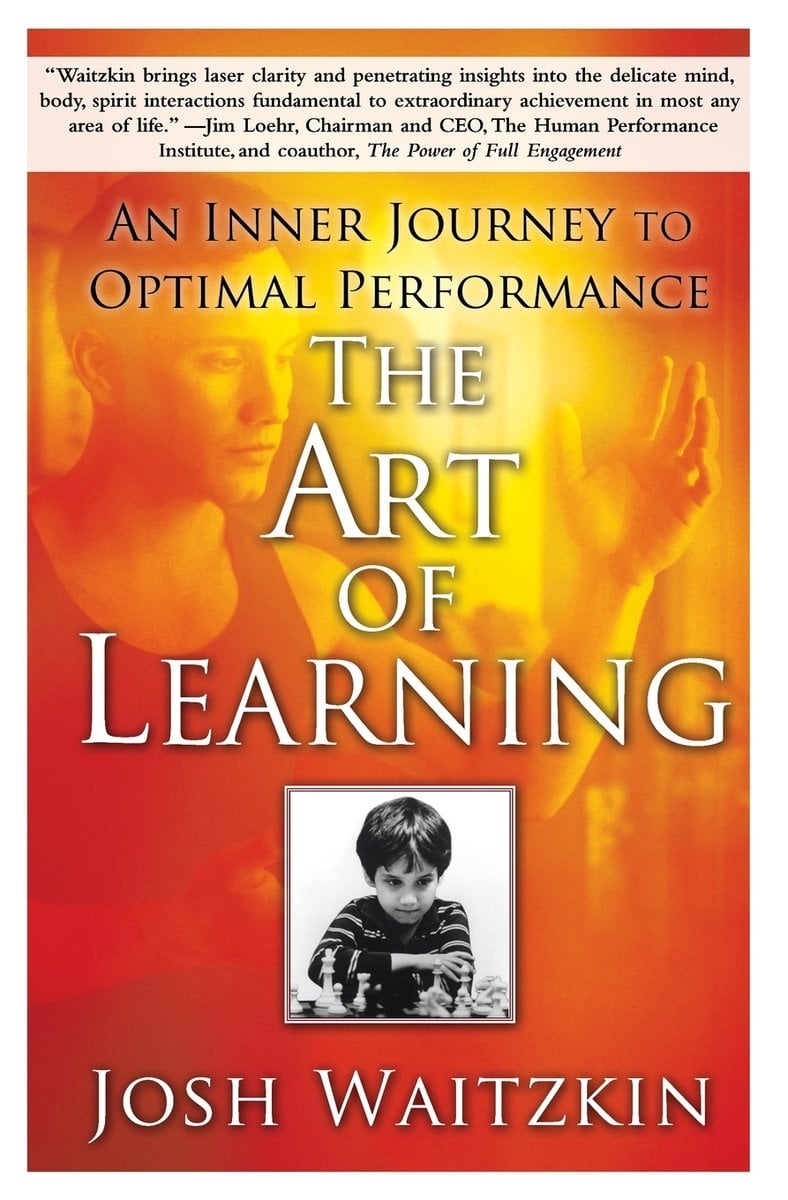
The Art of Learning
By Josh Waitzkin
This book explores how true mastery is built across any discipline. It reveals how performance, mindset, and learning strategies combine to create excellence.
Did you know? When you buy through Bookshop.org, you’re helping support independent bookstores.
RELATED POST: How to Cultivate a Growth Mindset When You’re Afraid to Fail
5. Focus on Your Strategy, Not Just Your Effort
Growth mindset is often reduced to one piece of advice:
Try harder.
But effort alone isn’t always the answer. You can spend hours repeating an ineffective strategy and make very little progress.
So instead of only asking:
Did I work hard?
ask:
Did I work effectively?
Maybe you changed your approach when you got stuck. Perhaps you asked for feedback. You broke a difficult task into smaller pieces. You practiced the part you were weakest at instead of repeatedly doing what you already knew.
These are worth noticing.
Effort matters, but growth often comes from combining effort with strategy, feedback, and adaptation.
RELATED POST: Growth Mindset and the Brain: What Does Science Actually Say?
6. Compare Yourself With Your Past Self
Comparison can make progress feel invisible. Someone else will almost always be further ahead. They may have more experience, more resources, more training, or a completely different starting point.
Instead of constantly looking sideways, occasionally look backward.
Ask:
- What can I do now that I couldn’t do six months ago?
- What feels easier?
- What have you learned?
- Which mistakes have you stopped making?
- Which situations no longer intimidate you?
You might be surprised by how much has changed. Progress often happens so gradually that we don’t notice it while it’s happening.
Your past self can sometimes be a much more useful comparison than somebody else’s present.
If you often focus on how far you still have to go instead of how far you’ve already come, The Gap and The Gain by Dan Sullivan and Benjamin Hardy (available on Bookshop.org) is especially relevant. It offers a different way to think about progress, achievement, and the habit of measuring yourself against an ideal.
book tip
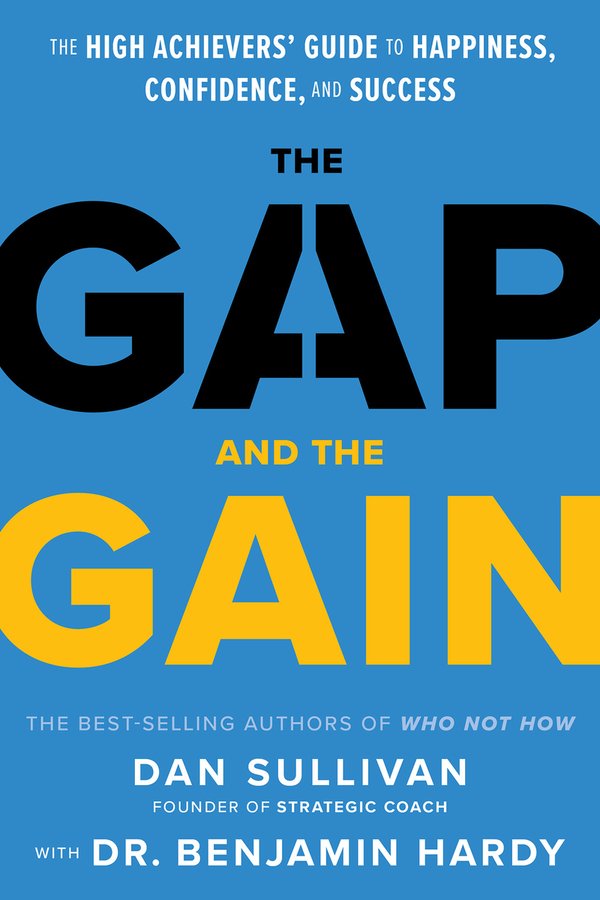
The Gap and The Gain
By Dan Sullivan and Dr. Benjamin Hardy
Discover how changing the way you measure progress can lead to greater motivation, confidence, and gratitude.
Did you know? When you buy through Bookshop.org, you’re helping support independent bookstores.
7. Get Curious When Someone Else Succeeds
Someone else’s success can trigger uncomfortable thoughts.
- “Why aren’t I there yet?”
- “They’re obviously more talented.”
- “Maybe I’ll never be that good.”
Instead of pretending you don’t feel jealous or discouraged, try using that feeling differently. Get curious.
- What did this person do to reach that level?
- How long have they been practicing?
- What strategies do they use?
- What could you learn from them?
Someone else’s success doesn’t have to become evidence of your limitations. It can become a source of information.
The question changes from:
Why are they better than me?
to:
What can their progress teach me?
RELATED POST: 10 Inspiring Growth Mindset Examples—and What They Can Teach Us
8. Ask for Feedback Before You Feel Ready
Feedback can be uncomfortable because it reveals the gap between where we are and where we want to be. But that gap is also where learning happens.
Instead of waiting until something is “perfect,” ask someone you trust:
What’s one thing I could improve?
One specific question can feel much less overwhelming than:
What do you think?
And when you receive feedback, resist the urge to immediately explain or defend yourself. Listen first. You don’t have to agree with every comment.
Simply ask:
Is there anything useful here?
Sometimes another person can see the next step long before you can.
9. Make Challenges Smaller
Growth mindset doesn’t require you to leap dramatically outside your comfort zone. Small challenges count too.
If public speaking terrifies you, you don’t need to volunteer for a keynote tomorrow. Maybe you ask one question during a meeting.
If you want to write, you don’t have to begin with a 300-page book. Write 200 words.
If you want to exercise consistently, your first goal doesn’t need to be an intense hour-long workout. Start with ten minutes.
Ask:
What would make this challenging but manageable?
Small wins give you experience. Experience gives you evidence that you can learn, adjust, and handle discomfort.
Then you can make the challenge slightly bigger.
If you want practical help turning small changes into lasting habits, Atomic Habits by James Clear (available on Bookshop.org) is a great companion to this idea. It shows how making changes smaller and easier to repeat can help you build meaningful progress over time.
book tip

Atomic Habits
By James Clear
Want to change your life without relying on willpower?
Did you know? When you buy through Bookshop.org, you’re helping support independent bookstores.
10. Change the Way You Talk About Yourself
Pay attention to how often you turn difficulties into identities.
- “I’m not creative.”
- “I’m bad with money.”
- “I’m terrible at technology.”
- “I’m not confident.”
These statements can start to sound factual simply because we repeat them so often. Try making them more specific.
Instead of: “I’m bad with money,” try: “I haven’t learned a budgeting system that works for me.”
Instead of: “I’m not confident,” try: “I don’t feel confident in this situation yet.”
Now the problem becomes something you can explore rather than something you simply are.
Your language doesn’t magically change reality. But it can change whether you see a door or a wall.
11. Celebrate Progress That Nobody Else Sees
Not all growth produces obvious results. Sometimes progress looks like asking a question you’d normally be too embarrassed to ask.
- Trying again after rejection.
- Practicing when nobody is watching.
- Recovering from a mistake more quickly.
- Changing your approach instead of giving up.
- Speaking to yourself more constructively after something goes wrong.
These moments may not look impressive from the outside. But they matter.
If you only celebrate final outcomes, you can spend months feeling as though nothing is happening. Pay attention to the quieter signs that you’re learning.
Ask yourself at the end of the week:
Where did I respond differently than I would have before?
That’s progress too.
If you find it difficult to recognize your progress when you’re still struggling, Self-Compassion by Kristin Neff (available on Bookshop.org) is worth exploring. It can help you learn to respond to setbacks and imperfections with more kindness instead of turning them into reasons to judge yourself.
book tip

Self-Compassion
By Dr. Kristin Neff
Ever notice how harshly we can treat ourselves — and wonder if it’s holding us back?
Did you know? When you buy through Bookshop.org, you’re helping support independent bookstores.
12. Focus on Your Next Step, Not Your Ultimate Potential
Sometimes we get caught up in one enormous question:
Am I actually capable of doing this?
The truth is, you may not know yet. And you don’t necessarily need to.
Instead, ask:
What is the next thing I can learn?
Maybe you need to practice one skill. Read one chapter. Ask one person for advice. Try one new strategy. Correct one mistake. Take one uncomfortable step.
You don’t need to know exactly how far you can go before you start moving.
Growth mindset isn’t about proving that your potential is limitless. It’s about refusing to assume that your current ability is the final answer.
RELATED POST: How to Develop a Growth Mindset When Giving Up Feels Easier
How Do You Make a Growth Mindset a Habit?
Reading a list of growth mindset tips is easy. Remembering them when you’re frustrated is harder.
So don’t try to practice all 12 at once. Choose one.
- Maybe you’ll start noticing when you say, “I can’t.”
- Perhaps you’ll ask one more question after making a mistake.
- Maybe you’ll ask for feedback instead of avoiding it.
- Or you’ll start writing down one small sign of progress each week.
The goal isn’t to become someone who never has a fixed-mindset thought. Everyone can become defensive, discouraged, jealous, embarrassed, or afraid of failure.
What matters is learning to notice those moments. Once you notice the thought, you have the opportunity to choose what happens next.
Final Thoughts
Developing a growth mindset doesn’t require you to wake up tomorrow as a completely different person.
You don’t need endless confidence. You don’t have to love failure. And you certainly don’t need to tell yourself that you can accomplish anything if you just believe hard enough.
Start smaller. Add the word “yet.”
- Ask a better question.
- Let yourself be a beginner.
- Learn from a mistake.
- Try another strategy.
- Ask for feedback.
- Notice your progress.
And when your mind tells you:
I’m just not good at this,
pause before accepting that thought as the final answer.
Maybe you’re not good at it yet. Maybe your current strategy isn’t working. Maybe you need more practice. Maybe you need someone to teach you.
Or maybe you’re simply experiencing the uncomfortable part of learning that comes before improvement becomes visible.
You don’t have to know exactly what you’re capable of becoming. You only need to stay curious enough to discover what you can learn next.
Of all the growth mindset tips you could practice, that may be the most important:
Don’t let where you are today automatically decide where you believe you can go tomorrow.
*This article is for informational and educational purposes only and should not be considered a substitute for professional mental health advice. If you are experiencing emotional distress or mental health challenges, please seek guidance from a licensed therapist or mental health professional.

Malin, co-founder of Courier Mind, is passionate about personal growth and mindset. With a focus on self-discovery and goal-setting, she creates content that inspires confidence, balance, and growth for the mind and spirit.