
11 Highly Sensitive Person Traits That Make You Different

This post contains affiliate links, which means we may earn a commission if you purchase through our links—at no extra cost to you. As an Amazon Associate we earn from qualifying purchases. We only recommend products we use or trust. Learn more about affiliate marketing or read our full disclosure.
For most of my life, I felt… different. Not in any dramatic way. It showed up in small, everyday moments.
- I seemed to notice things that other people didn’t.
- I needed more quiet time than my friends did.
- I couldn’t understand how some people brushed off criticism so easily.
Busy weekends left me completely drained, while everyone else seemed ready to make even more plans.
For years, I assumed I simply needed to toughen up.
Then I discovered the concept of the Highly Sensitive Person (HSP), and suddenly, so much about my life made sense.
I finally realized that I wasn’t “too sensitive.” I simply had a nervous system that processed the world more deeply.
If you’ve ever felt like you experience life differently from the people around you, you may recognize yourself in these highly sensitive person traits.
You don’t need to relate to every single one, but if many of them sound familiar, your sensitivity may simply be part of what makes you uniquely you.
What Is a Highly Sensitive Person?
A highly sensitive person (HSP) is someone who tends to process experiences and information more deeply and is often more aware of subtle changes in their surroundings.
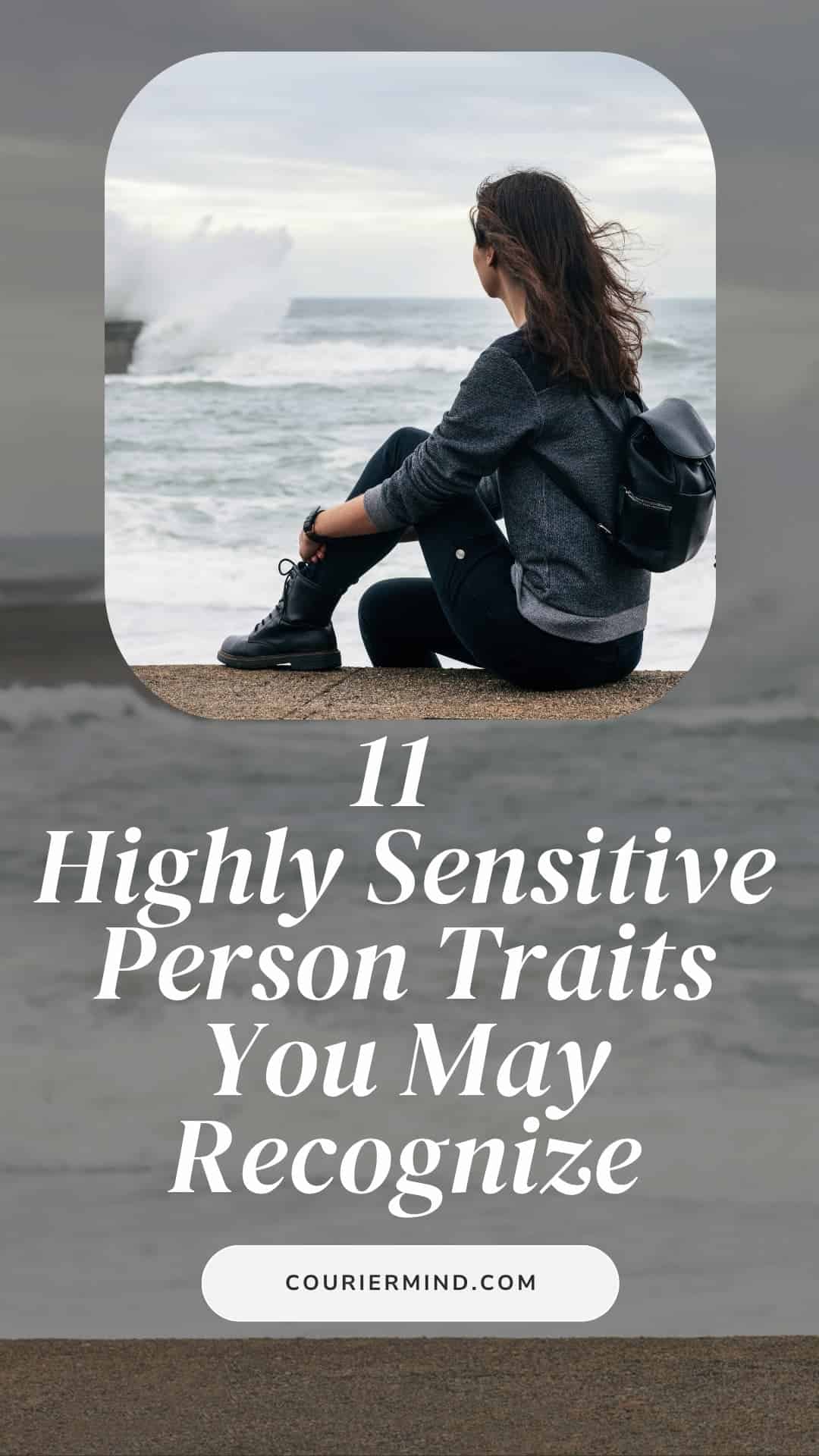
The term was introduced by psychologist Dr. Elaine Aron, who began researching high sensitivity in the 1990s.
Being highly sensitive isn’t a flaw or something you need to fix. It’s a trait that can influence everything from how deeply you think and feel to how you respond to noise, busy environments, and the emotions of people around you.
If you want to learn more about what it means to be highly sensitive, The Highly Sensitive Person by Dr. Elaine Aron (available on Bookshop.org) is a great place to start. It takes a deeper look at the trait and can help you better understand your sensitivity and how it shapes the way you experience the world.
book tip

The Highly Sensitive Person
By Elaine N. Aron, Ph.D.
Do you often feel overwhelmed by sights, sounds, or emotions that others seem to handle easily?
Did you know? When you buy through Bookshop.org, you’re helping support independent bookstores.
RELATED POST: 27 Highly Sensitive Person Signs You Shouldn’t Ignore
Now, let’s look at the highly sensitive person traits you may recognize in yourself.
1. You Notice Details Other People Miss
One of the first things I realized about myself was just how much I notice.
- A slight change in someone’s tone of voice.
- A new picture on the wall.
- The atmosphere in a room.
- The expression on someone’s face when they say they’re “fine.”
For years, I assumed everyone picked up on these things. Now I realize that many people don’t.
Highly sensitive people often notice subtle details without even trying. Sometimes, that can be exhausting.
But it’s also one of our greatest strengths.
RELATED POST: 13 Things That Secretly Trigger Highly Sensitive People
2. You Think Deeply About Almost Everything
If someone asks me a big question, chances are I won’t answer right away.
Not because I don’t know. Because I’m thinking.
I’ve always been someone who takes time to reflect before making decisions. I like to understand why things happen. I naturally connect ideas and look for the bigger picture.
The downside, of course, is that deep thinking can sometimes turn into overthinking. Learning to recognize the difference has been one of the biggest lessons of my life.
RELATED POST: The Mistake Highly Sensitive People Make That Fuels Imposter Syndrome
3. You Feel Emotions Intensely
People often assume this is only about sadness.
It isn’t.
As a highly sensitive person, I’ve noticed that I experience joy deeply too.
- Beautiful music can give me goosebumps.
- A meaningful conversation can stay with me for days.
- Watching someone achieve something they’ve worked hard for can genuinely move me.
Sensitivity isn’t just about feeling difficult emotions more strongly. It’s about experiencing all of life more deeply.
RELATED POST: Empath vs. Highly Sensitive: The Difference Most People Miss
4. You Become Overstimulated More Easily
This is one of the traits that helped me understand myself the most.
I used to wonder why I felt completely exhausted after experiences that other people seemed to enjoy effortlessly.
- Busy restaurants.
- Crowded shopping centers.
- Back-to-back social events.
- Open-plan offices.
Eventually, I realized it wasn’t that I disliked those experiences. My nervous system was simply processing more of what was happening around me.
These days, I don’t judge myself for needing time to recover afterward.
I expect it.
RELATED POST: 7 Signs You’re Both Highly Sensitive and a High Sensation Seeker
5. You Care Deeply About Other People
I’ve always found it difficult not to care.
- If someone I love is struggling, I naturally want to help.
- If someone feels left out, I notice.
- If someone is hurting, I genuinely want them to feel better.
When I was younger, I often confused caring with carrying. I thought being compassionate meant taking on everyone else’s emotions as my own.
Now I’ve learned that I can care deeply without losing myself in the process.
RELATED POST: The 10 Biggest Relationship Challenges for Highly Sensitive People
6. You Need More Time Alone Than Most People
This is probably one of the traits I’ve learned to accept the most.
For years, I felt guilty for needing quiet. I’d spend time with people I genuinely enjoyed… Then crave an afternoon completely to myself.
Now I understand that I don’t seek solitude because I dislike people. It’s simply how I recharge.

Some people recharge by being around others. Many highly sensitive people recharge by stepping away from stimulation altogether.
Neither approach is wrong. They’re simply different.
If you’re highly sensitive and introverted, Quiet by Susan Cain (available on Bookshop.org) is a fascinating read. It explores the strengths of introverts and offers a reassuring perspective on why needing solitude and a quieter pace can be something to embrace rather than change.
book tip

Quiet
By Susan Cain
This book reveals the surprising power of introverts and how they quietly make a big impact in the world.
Did you know? When you buy through Bookshop.org, you’re helping support independent bookstores.
7. You Care About Doing Things Well
One thing I’ve noticed about many highly sensitive people—including myself—is that we genuinely care about doing things well.
If I commit to something, I want to do my best. I think about how my actions affect other people. I try to keep my word.
Sometimes, this can tip into perfectionism. But at its healthiest, it’s simply a reflection of how much we care.
RELATED POST: The Success Challenges Most Highly Sensitive People Don’t See Coming
8. You Appreciate Beauty in Everyday Life
I don’t think I fully appreciated this trait until I got older.
Some of my happiest moments are incredibly ordinary.
- Morning sunlight coming through the window.
- Birdsong on a quiet walk.
- The smell of fresh bread.
- A beautiful piece of music.
- Fresh flowers on the kitchen table.
These simple moments fill me with a sense of gratitude that’s difficult to explain. I’ve realized that sensitivity allows me to experience beauty in ways I once took for granted.
RELATED POST: The Benefits of Being a Highly Sensitive Person No One Talks About
9. You Value Meaning Over Status
As I’ve gotten older, I’ve become much less interested in impressing people.
What matters to me now is whether something feels meaningful.
- Meaningful work.
- Meaningful conversations.
- Meaningful relationships.
- Meaningful experiences.
I’ve realized that many highly sensitive people aren’t driven solely by money, titles, or recognition. We often want our lives to reflect the things we genuinely value.
And honestly, I think that’s a wonderful way to measure success.
RELATED POST: 15 Best and Worst Jobs for Highly Sensitive People
10. You’re More Resilient Than People Realize
This one surprised me.
For years, I assumed that because I felt things deeply, I wasn’t resilient. Now I see how wrong I was.
Yes, criticism affects me. Yes, I need more time to recover from difficult experiences. But I’ve still overcome challenges. I’ve still grown. I’ve still kept going.
Feeling deeply doesn’t mean you’re fragile. Sometimes, it means you’ve had to become incredibly strong in ways other people never see.
If you’re learning to be kinder to yourself when criticism or difficult experiences hit hard, Self-Compassion by Dr. Kristin Neff (available on Bookshop.org) is well worth reading. It offers a thoughtful approach to treating yourself with the same understanding and kindness you would naturally give to someone you care about.
book tip

Self-Compassion
By Dr. Kristin Neff
Ever notice how harshly we can treat ourselves — and wonder if it’s holding us back?
Did you know? When you buy through Bookshop.org, you’re helping support independent bookstores.
11. You’ve Always Felt a Little Different
If I had to choose one trait that ties everything together, it would probably be this one.
Long before I knew what a highly sensitive person was, I always felt slightly out of step with the world around me.
Not better.
Not worse.
Just different.
I couldn’t understand why everyone else seemed comfortable moving through life so quickly. Why people weren’t bothered by constant noise. Why some people seemed unaffected by criticism.
Learning about high sensitivity didn’t change who I was. It simply gave me the language to better understand myself.
And honestly, that was one of the most freeing experiences I’ve ever had.
The Traits I Once Saw as Weaknesses
Looking back, it’s amazing how many of these qualities I spent years trying to hide.
- I wanted to stop overthinking.
- Stop feeling so deeply.
- Stop needing quiet.
- Stop caring so much.
In other words, I wanted to stop being myself.
Now I realize that many of the qualities I value most about myself come directly from my sensitivity.
- My empathy helps me build meaningful relationships.
- My curiosity helps me keep learning.
- My thoughtfulness helps me create work I’m proud of.
- My appreciation for beauty reminds me to slow down and enjoy life.
Those aren’t weaknesses. They’re strengths I simply hadn’t learned to appreciate yet.
If you’d like to go beyond simply recognizing these traits, The Highly Sensitive Person’s Workbook by Dr. Elaine Aron (available on Amazon) is a practical next step. Its exercises can help you explore your sensitivity more deeply and learn how to work with this part of yourself rather than wishing it away.
RELATED POST: How Highly Sensitive People Can Thrive in an Insensitive World
Understanding Yourself Changes Everything
One of the biggest gifts of discovering I was highly sensitive wasn’t the label itself. It was the permission it gave me to stop comparing myself to everyone else.
I stopped wondering why I couldn’t keep up with people who thrived on constant stimulation.
I stopped apologizing for needing rest. I stopped assuming there was something wrong with me simply because I experienced life differently.
Instead, I started asking better questions.
- What helps me thrive?
- What drains my energy?
- What kind of work suits me?
- What kind of relationships help me feel safe?
Those questions have changed my life far more than trying to become less sensitive ever did.
If those questions made you want to understand yourself a little better, Recharge: A Day and Night Reflection Journal by Insight Editions (available on Bookshop.org) gives you a dedicated space to slow down and check in with yourself. It can be a simple way to become more aware of what drains your energy, what restores it, and what you need more of in your everyday life.
recharge your energy
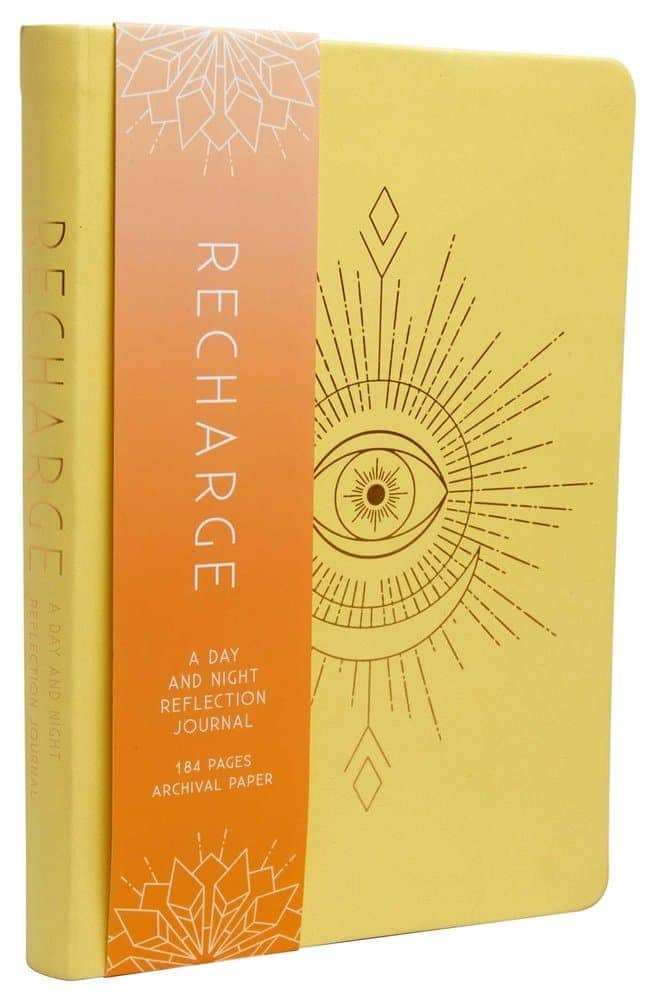
Recharge Journal by Insight Editions
Recharge your energy and avoid burnout with a simple daily routine that actually fits your life.
Did you know? By buying from Bookshop.org, you help support independent bookstores.
RELATED POST: 12 Things Highly Sensitive People Need to Be Truly Happy
Your Traits Don’t Define Your Limits
I also think it’s important to say this.
Being highly sensitive doesn’t mean your future is predetermined. These traits aren’t limitations.
They’re simply part of how you experience the world.
- You might be outgoing.
- Or quiet.
- A parent.
- Or happily child-free.
- An entrepreneur.
- A teacher.
- An artist.
- A scientist.
There isn’t one correct way to be highly sensitive.
That’s one of the things I love most about this trait. It shows up differently in each of us.
RELATED POST: Why Some Highly Sensitive People Choose Not to Have Children
Final Thoughts
If you recognized yourself in many of these highly sensitive person traits, I hope this article gave you something I wish I’d found years ago.
Reassurance.
For so long, I believed I needed to become someone else to fit into the world. Now I realize that understanding myself has been far more valuable than trying to change who I am.
Yes, being highly sensitive comes with challenges.
- You’ll probably need more rest than some people.
- You’ll likely think deeply before making decisions.
- You may feel emotions intensely and need stronger boundaries than those around you.
But you’ll also notice beauty where others see ordinary moments.
- You’ll care deeply about people.
- You’ll build meaningful relationships.
- You’ll create thoughtful work.
- You’ll bring kindness, empathy, and awareness into a world that desperately needs more of those things.
And while there are still days when I wish life felt a little less intense, I no longer wish I were someone else.
Because I’ve come to realize that the traits that once made me feel different are also the traits that have shaped the person I’m most proud to be.
And maybe, if you’re a highly sensitive person too, you’ll discover the same thing.
*This article is for informational and educational purposes only and should not be considered a substitute for professional mental health advice. If you are experiencing emotional distress or mental health challenges, please seek guidance from a licensed therapist or mental health professional.

Malin, co-founder of Courier Mind, is passionate about personal growth and mindset. With a focus on self-discovery and goal-setting, she creates content that inspires confidence, balance, and growth for the mind and spirit.