The Complete Guide to Life as a Highly Sensitive Person

This post contains affiliate links, which means we may earn a commission if you purchase through our links—at no extra cost to you. As an Amazon Associate we earn from qualifying purchases. We only recommend products we use or trust. Learn more about affiliate marketing or read our full disclosure.
Have you ever wondered why some things seem to affect you more deeply than they affect other people?
Maybe a busy shopping centre leaves you exhausted. A harsh comment stays with you for days. Too much noise makes it hard to think. You might even notice tiny changes in someone’s mood before they’ve said a word.
And sometimes, when life gets especially busy, everything simply feels like too much.
I know that feeling well. As a highly sensitive person myself, one of the things I struggle with most is how easily I can become overwhelmed.
For a long time, I thought I simply needed to get better at coping. I believed I should be able to handle busy environments, packed schedules and constant demands just as easily as other people seemed to.
But learning more about what it means to be a highly sensitive person changed the way I saw myself.
Instead of constantly asking, “Why can’t I handle this?” I started asking myself a much more helpful question:
What do I need in order to feel my best?
That small shift can make a big difference.
Being a highly sensitive person can certainly make everyday life more challenging. But the goal isn’t to get rid of your sensitivity. It’s to understand it.
And when you begin building your life around what your nervous system actually needs, being a highly sensitive person can start to feel much less overwhelming.
What Is a Highly Sensitive Person?
A highly sensitive person, often shortened to HSP, is someone who has a heightened sensitivity to physical, emotional and social stimuli.

The term is associated with psychologist Dr. Elaine Aron and the concept of sensory processing sensitivity.
Being highly sensitive isn’t simply about being emotional. It can shape the way you experience the world around you.
You may be more affected by things such as:
- Loud or repetitive noises
- Bright lights
- Strong smells
- Crowded environments
- Other people’s emotions
- Conflict or criticism
- Busy schedules
- Sudden changes
- Lack of sleep
- Too many decisions
- Violent or upsetting media
- Being rushed
- Having too many things happening at once
An environment that feels perfectly manageable to someone else can leave an HSP feeling completely drained.
This was one of the most helpful things for me to understand.
When I become overwhelmed, it doesn’t necessarily mean something dramatic has happened. Sometimes, there has simply been too much input for too long.
Once you recognize that, you can start responding to overwhelm earlier rather than waiting until you’re completely exhausted.
If you want to understand high sensitivity on a deeper level, The Highly Sensitive Person by Dr. Elaine Aron (available on Bookshop.org) is a great place to start. Aron introduced the concept of the highly sensitive person, and her book explores what the trait can look like in everyday life.
book tip

The Highly Sensitive Person
By Elaine N. Aron, Ph.D.
Do you often feel overwhelmed by sights, sounds, or emotions that others seem to handle easily?
Did you know? When you buy through Bookshop.org, you’re helping support independent bookstores.
RELATED POST: Are You an HSP, Introvert, Empath… or All Three?
Signs You Might Be a Highly Sensitive Person
Sensitivity looks different for everyone, so there isn’t one single HSP experience. However, there are some common characteristics.
You may relate to being highly sensitive if you tend to process experiences deeply, become overstimulated easily or need more time to recover after busy situations.
You might also notice that you:
- Feel emotions very deeply
- Need regular quiet time
- Become overwhelmed when you have too much to do
- Notice subtle changes in your surroundings
- Pick up on other people’s moods
- Dislike conflict
- Think deeply before making decisions
- Feel particularly affected by criticism
- Need time alone after socialising
- Have a rich inner world
- Feel deeply moved by music, art or nature
- Become uncomfortable in chaotic environments
- Need more downtime than some people around you
You certainly don’t need to relate to every characteristic. Being an HSP isn’t about fitting yourself into another box.
For me, the biggest clue has always been overwhelm.
There can be a point where seemingly small things begin stacking up: noise, responsibilities, messages, decisions, clutter, conversations and unfinished tasks.
Eventually, my brain seems to say, “That’s enough.”
Learning to notice that point before I reach it has become one of the most valuable parts of understanding my sensitivity.
Why Highly Sensitive People Become Overwhelmed So Easily
Imagine your mind is taking in information from your surroundings all day long. Most people naturally filter out a great deal of that information.
But as a highly sensitive person, you may notice and process more of it. You aren’t only hearing the conversation you’re having.
You may also notice the music playing nearby, another conversation across the room, the temperature, someone’s expression, the buzzing light and the fact that you haven’t eaten recently.
At the same time, you’re thinking about what you’re saying and wondering whether the other person feels comfortable. That’s a lot of information to take in.
Add work, family responsibilities, notifications, errands and everyday stress, and it’s easy to see why overwhelm can arrive so quickly.
This is why reducing stimulation can be so important for HSPs. You don’t necessarily need to get better at tolerating endless stimulation. Sometimes you simply need less of it.
RELATED POST: 13 Things That Secretly Trigger Highly Sensitive People
Stop Treating Your Sensitivity Like a Problem to Fix
This can be one of the hardest lessons to learn.
We live in a world that often celebrates being constantly busy.
- Do more.
- Work harder.
- Answer immediately.
- Stay productive.
- Be available.
- Keep going.
For a highly sensitive person, trying to maintain that pace indefinitely can be exhausting.
- There is nothing wrong with wanting a quieter life.
- There is nothing wrong with needing time before making a decision.
- There is nothing wrong with leaving a crowded event earlier than everyone else.
- And there is nothing wrong with protecting your energy.
Understanding your sensitivity isn’t about creating a life where you’re never uncomfortable. We all need to stretch ourselves sometimes.
It’s about recognising the difference between healthy challenge and constant overload.
RELATED POST: 9 Myths About Highly Sensitive People You May Still Believe
1. Learn Your Personal Overwhelm Triggers
One of the best things you can do as an HSP is identify the situations that drain you most quickly. Your triggers may be completely different from another sensitive person’s.
For example, you might be particularly affected by noise, while someone else finds social interaction more exhausting.
Start paying attention to how you feel after different situations.
Ask yourself: What happened before I became overwhelmed?
- Maybe you had several social plans in a row.
- Maybe you skipped lunch.
- Maybe your home had become cluttered.
- Maybe you’d spent hours scrolling online.
- Maybe someone was upset with you.
- Maybe you’d agreed to too many things.
Over time, you’ll start to notice patterns. Once you understand those patterns, you can begin planning around them.
If you’d like some help exploring your own sensitivity, The Highly Sensitive Person’s Workbook by Dr. Elaine Aron (available on Amazon) gives you practical exercises for understanding how the trait shows up in your life. It’s a useful companion if you want to go beyond simply reading about being highly sensitive and start reflecting on your own experiences.
RELATED POST: 7 Signs You’re Both Highly Sensitive and a High Sensation Seeker
2. Create More White Space in Your Life
One of the biggest changes that can help an HSP is surprisingly simple: “Stop filling every available space.“
- If Saturday afternoon is free, it doesn’t automatically need a plan.
- If you have an appointment in the morning, you don’t necessarily need to squeeze in three errands afterwards.
- If you’ve had an exhausting week, Sunday doesn’t need to become your catch-up day.
White space gives your nervous system room to recover. I think this is especially important when you become overwhelmed easily.
Instead of asking, “How much can I fit into today?” try asking:
How much can I realistically do while still feeling like myself at the end of the day?
Those are two very different ways of planning your life.
RELATED POST: 12 Things Highly Sensitive People Need to Be Truly Happy
3. Build a Calmer Home Environment
Your environment can have a surprisingly powerful effect on how you feel. For highly sensitive people, home can become a place where the nervous system finally gets a break.
That doesn’t mean you need a perfectly organised, silent home. It simply means intentionally reducing unnecessary stimulation.

You might:
- Use softer lighting in the evening
- Reduce visual clutter
- Create a quiet corner
- Keep comforting blankets nearby
- Turn notifications off
- Play gentle background music
- Choose calming scents if you enjoy them
- Keep frequently used spaces relatively tidy
- Spend periods of time without television or podcasts playing
Small changes to your environment can make everyday life feel noticeably gentler.
RELATED POST: Why Some Highly Sensitive People Choose Not to Have Children
4. Protect Your Mornings
The way you begin your morning can influence how the rest of your day feels.
If possible, avoid starting your day by immediately flooding your brain with information. That might mean waiting a little while before checking email, news or social media.
Instead, create some space between waking up and entering the outside world.
Your morning might include a cup of coffee or tea, stretching, journaling, reading, sitting quietly or simply getting ready without rushing.
It doesn’t need to become an elaborate morning routine. Even ten quiet minutes can make a difference.
RELATED POST: The Success Challenges Most Highly Sensitive People Don’t See Coming
5. Give Yourself Permission to Rest Before You’re Exhausted
Many of us treat rest like medicine. We wait until something is wrong before taking it. But for an HSP, rest can work as prevention.
Instead of waiting until you’re completely overwhelmed, build small periods of recovery into your everyday life.
- Take ten minutes alone.
- Step outside.
- Lie down.
- Close your eyes.
- Make tea.
- Read a few pages of a book.
- Sit somewhere quiet.
Your body doesn’t have to reach exhaustion before it deserves time to recover.
If you’re trying to get better at noticing when you need rest, Recharge: A Day and Night Reflection Journal by Insight Editions (available on Bookshop.org) can give you a little structure for checking in with yourself. A guided journal can be especially useful if you tend to keep going without realizing how depleted you’ve become.
recharge your energy
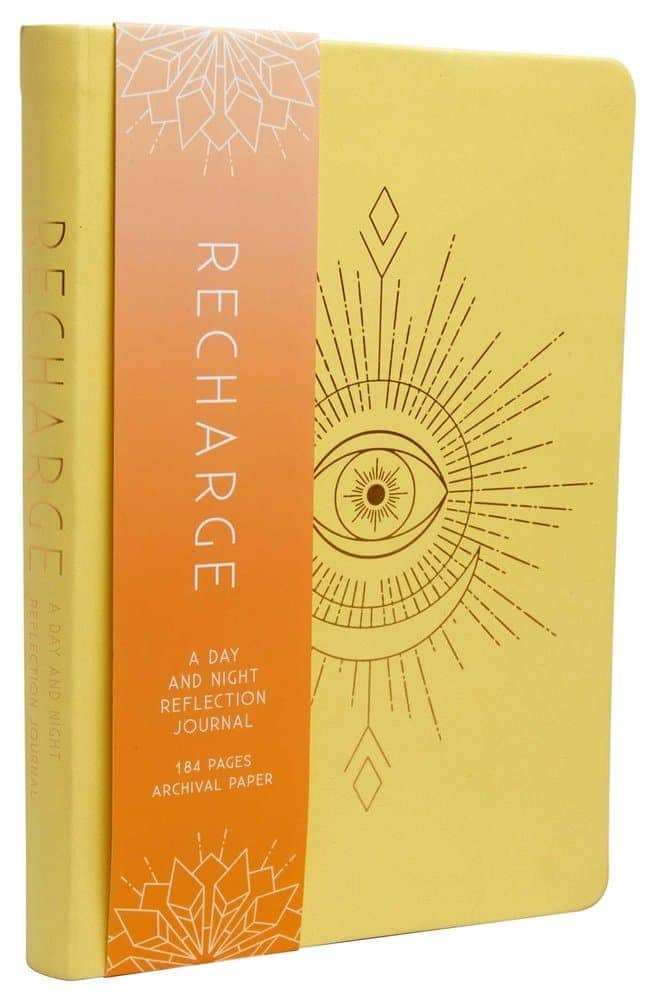
Recharge Journal by Insight Editions
Recharge your energy and avoid burnout with a simple daily routine that actually fits your life.
Did you know? By buying from Bookshop.org, you help support independent bookstores.
RELATED POST: Could You Be a Highly Sensitive Introvert? These Clues Say Yes
6. Be Careful With Overcommitting
Highly sensitive people can sometimes find it difficult to say no, especially when they’re deeply aware of how their decisions affect others.
You might say yes because you don’t want to disappoint someone. Then the day arrives and you realize you simply don’t have the energy.
Learning to pause before committing can help.
Instead of immediately saying yes, try:
Let me check and get back to you.
That tiny pause gives you space to consider your own capacity rather than automatically prioritising someone else’s expectations.
RELATED POST: 9 Ways Highly Sensitive People Can Overcome Fear of Rejection
7. Create an Overwhelm Plan
When you’re already overwhelmed, even simple decisions can become harder. That’s why it can help to decide in advance what you’ll do when that happens.
Your personal overwhelm plan might look something like this:
- Step 1: Reduce stimulation – Put your phone away, lower the lights or move somewhere quieter.
- Step 2: Check your basic needs – Are you hungry? Thirsty? Tired? Too hot? Too cold?
- Step 3: Remove unnecessary demands – Ask yourself what genuinely needs to happen today and what can wait.
- Step 4: Do one thing at a time – Forget the entire list. Choose the next small task.
- Step 5: Recover without guilt – Give yourself permission to rest.
Having a simple plan can make those difficult moments feel much more manageable.
If being overwhelmed tends to come with a lot of self-criticism, Self-Compassion by Dr. Kristin Neff (available on Bookshop.org) is worth reading. It explores how to respond to difficult moments with greater kindness toward yourself rather than adding judgment to what you’re already feeling.
book tip

Self-Compassion
By Dr. Kristin Neff
Ever notice how harshly we can treat ourselves — and wonder if it’s holding us back?
Did you know? When you buy through Bookshop.org, you’re helping support independent bookstores.
RELATED POST: How Highly Sensitive People Can Thrive in an Insensitive World
8. Spend Time in Nature
Nature can offer something our overstimulating modern lives often don’t: gentle sensory input.
- Birdsong.
- Moving water.
- Wind through trees.
- Natural light.
- Open space.
Even a short walk can give you some distance from the constant stream of notifications, conversations and responsibilities.
You don’t need to disappear into the wilderness. A local park, garden or quiet street can be enough.
9. Choose Your Relationships Carefully
Relationships can affect highly sensitive people deeply.
Because you may pick up on subtle emotional cues, relationships filled with unpredictability, criticism or constant conflict can be especially draining.
Pay attention to how you feel around the people in your life.
- Do you feel relaxed?
- Can you be yourself?
- Do you feel like you’re constantly monitoring their mood?
- Do you leave interactions feeling energised or depleted?
Healthy relationships won’t always be easy, but you should be able to feel emotionally safe within them.
RELATED POST: The 10 Biggest Relationship Challenges for Highly Sensitive People
10. Don’t Let Other People’s Moods Overwhelm You
When you’re highly sensitive to other people’s moods, subtle changes in someone’s behaviour can affect you more than you realise.
- Someone walks into the room irritated and suddenly you feel tense.
- A friend is upset and you spend the rest of the evening worrying about them.
- Someone sends a short message and you immediately wonder whether you’ve done something wrong.
When this happens, try to notice what you’re responding to:
Has something actually happened, or have I picked up on a change in someone’s mood?
You may be noticing very real emotional cues. But that doesn’t necessarily mean you’re responsible for fixing the situation or that the other person’s mood has anything to do with you.
You can care deeply about someone without taking responsibility for how they feel.
RELATED POST: Empath vs. Highly Sensitive: The Difference Most People Miss
11. Make Decisions More Gently
Decision fatigue can be particularly exhausting when you naturally think things through deeply.
Even small choices can become complicated when your mind immediately starts considering every possible outcome.
Simplifying everyday decisions can help preserve your mental energy.
- Create repeatable breakfasts.
- Keep a few favourite outfits.
- Shop from a list.
- Develop routines.
- Automate what you can.
Save your deeper thinking for the decisions that actually deserve it.
RELATED POST: The Mistake Highly Sensitive People Make That Fuels Imposter Syndrome
12. Limit Digital Overstimulation
Phones can be especially intense for sensitive minds.
- Messages.
- Breaking news.
- Videos.
- Opinions.
- Advertisements.
- Notifications.
- Other people’s lives.
All within minutes.
Try creating periods when your phone simply isn’t part of your environment.
- Turn off unnecessary notifications.
- Unfollow accounts that consistently make you anxious.
- Avoid consuming upsetting content before bed.
Protecting your attention is one of the most practical forms of self-care available to you.
RELATED POST: How to Deal With Criticism as a Highly Sensitive Person
13. Create a Gentler Evening Routine
Sensitive people often need time to transition from activity into rest.
Going directly from a busy day to bed can leave your mind replaying everything that happened.
Create a small buffer in the evening.
- Dim the lights.
- Put your phone away.
- Take a shower.
- Read.
- Journal.
- Make a warm drink.
- Prepare a few things for tomorrow.
The goal isn’t to create a perfect, Pinterest-worthy nighttime routine.
It’s simply to tell your nervous system:
The day is slowing down now.
If you’d like to make reflection part of that transition, Calm: A Day and Night Reflection Journal by Insight Editions (available on Bookshop.org) offers guided prompts you can work into a quieter evening routine. It can be a simple way to slow your thoughts down and create a little space before bed.
find your calm
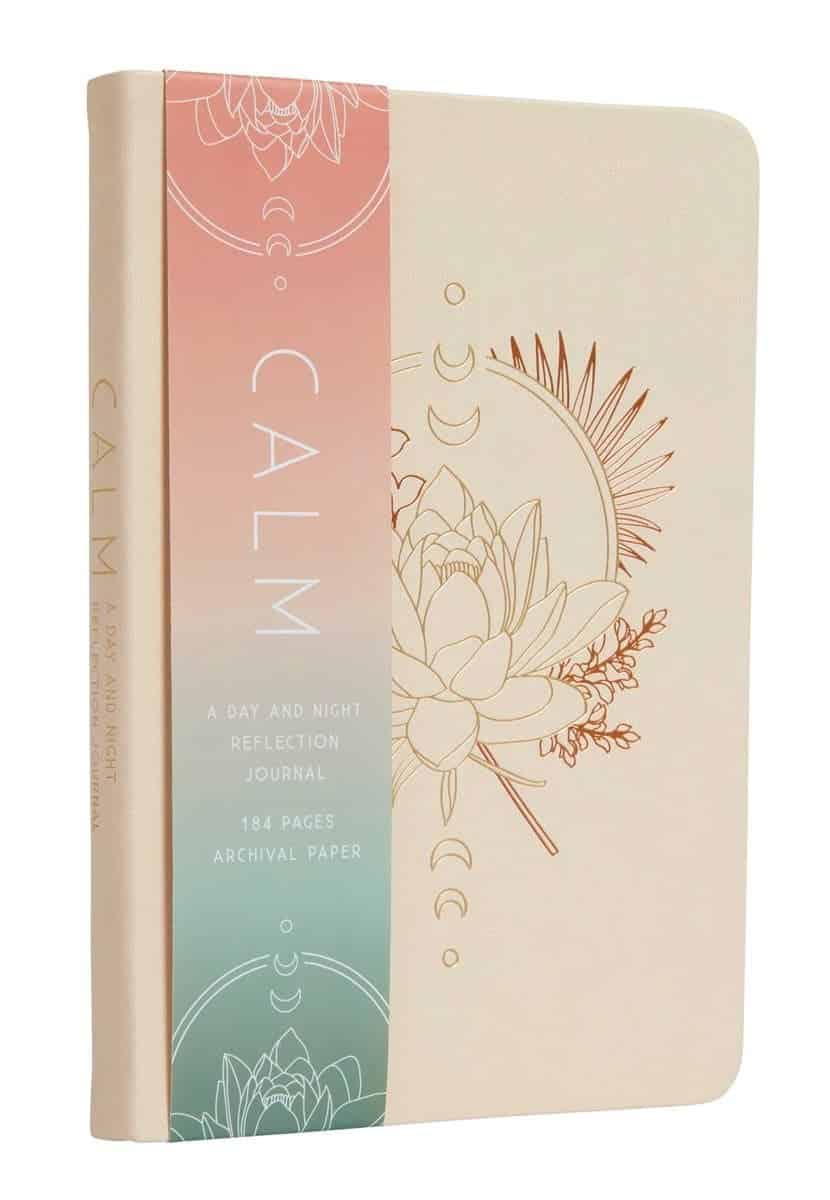
Calm Journal by Insight Editions
Feel calmer and more in control with a simple daily practice that helps you reset and unwind.
Did you know? By buying from Bookshop.org, you help support independent bookstores.
14. Recognize the Strengths of Being Highly Sensitive
It’s easy to focus entirely on the difficult parts of sensitivity.
Overwhelm is real. So is exhaustion. So is the frustration of feeling affected by things that other people barely notice.
But sensitivity has another side too.
Many highly sensitive people experience the world with tremendous depth.
- You may notice beauty that other people walk past.
- You may recognize when someone needs kindness.
- You may think carefully about the impact of your actions.
- You may experience music, art, stories and nature intensely.
- You may be thoughtful, observant, conscientious and deeply empathetic.
The same sensitivity that can make difficult experiences feel intense can make beautiful experiences feel intense too.
If you’re working on accepting your sensitivity rather than seeing it as something you need to fix, Radical Acceptance by Tara Brach (available on Bookshop.org) is a thoughtful read. While it isn’t specifically about highly sensitive people, its message of meeting yourself with greater acceptance fits beautifully with learning to work with who you are.
book tip

Radical Acceptance
By Tara Brach
In the busyness of everyday life, it’s easy to forget the present moment. This book is a gentle reminder to slow down and truly live.
Did you know? When you buy through Bookshop.org, you’re helping support independent bookstores.
RELATED POST: The Benefits of Being a Highly Sensitive Person No One Talks About
15. You Don’t Need to Make Your Life Smaller
Protecting your sensitivity doesn’t mean hiding from life. This distinction matters.
The goal isn’t to avoid every loud place, difficult conversation or stressful experience. It’s to understand your capacity well enough that you can choose what matters to you.
- Maybe you love concerts even though they overwhelm you. Go — and keep the following morning free.
- Maybe you love travelling but find airports exhausting. Build recovery time into your trip.
- Maybe you enjoy socialising but can’t handle three events in one weekend. Choose the one that matters most.
You can build a full, interesting and meaningful life without constantly pushing yourself beyond your limits.
RELATED POST: 24 Signs You’re a Highly Sensitive Extrovert—and How to Thrive
A Simple Daily Routine for Highly Sensitive People
You don’t need to redesign your entire life overnight.
Start with a few small habits.
- Morning: Give yourself a few quiet minutes before checking your phone.
- During the day: Notice your stimulation level before overwhelm becomes intense.
- Afternoon: Take a short break without input — no scrolling, podcasts or messages.
- Evening: Reduce noise and stimulation as bedtime approaches.
- Before bed: Ask yourself what drained you and what restored you today.
That final question can teach you an enormous amount about yourself.
What I’ve Learned About Being Highly Sensitive
Learning that I’m a highly sensitive person hasn’t removed overwhelm from my life. I still have days when everything feels like too much.
But understanding my sensitivity has changed the way I respond to those days.
Instead of immediately judging myself, I try to get curious about what might be going on.
- Have I been doing too much?
- Have I had enough quiet?
- Do I need food?
- Do I need sleep?
- Have I spent too much time around noise or people?
- Is there something worrying me?
- What can I remove from today?
The answer is often much simpler than I expect.
I don’t always need to push harder.
- Sometimes I need less noise.
- Less pressure.
- Less input.
- Less rushing.
And more room to simply be.
RELATED POST: 15 Best and Worst Jobs for Highly Sensitive People
Final Thoughts
If you’re a highly sensitive person, there may always be parts of life that affect you more strongly than they affect someone else.
But understanding your sensitivity gives you something incredibly valuable: choice.
- You can begin to notice what overwhelms you.
- You can create routines that support you.
- You can protect your energy.
- You can choose relationships that feel safe.
- You can leave space in your calendar.
- You can stop apologizing for needing quiet.
And you can build a life that works with your sensitivity instead of constantly fighting against it.
You don’t have to become less sensitive in order to live well. You simply need to understand yourself well enough to know when to stretch, when to step back and when to give yourself the quiet you need.
Because life as a highly sensitive person isn’t only about learning how to cope with overwhelm. It’s also about learning to appreciate the depth with which you experience the world.
And when you begin treating that sensitivity with care rather than resistance, everyday life can start to feel a whole lot gentler.
*This article is for informational and educational purposes only and should not be considered a substitute for professional mental health advice. If you are experiencing emotional distress or mental health challenges, please seek guidance from a licensed therapist or mental health professional.

Malin, co-founder of Courier Mind, is passionate about personal growth and mindset. With a focus on self-discovery and goal-setting, she creates content that inspires confidence, balance, and growth for the mind and spirit.